I remember the night I tried to rescue my overcooked dinner from the brink of disaster. My stovetop was a battlefield of burnt onions and a sizzling pan of ground beef that had turned into a rubbery, flavorless slab. I stared at the charred edges, feeling a wave of culinary shame. Then, a friend texted me a photo of a golden, bubbling casserole that looked like it had been baked by a wizard. That image sparked a dare: “I’ll make a casserole so good that even the burnt beef will want to come back to life.” That dare has become my mission, and this Cheesy Hamburger Potato Casser is the ultimate proof that I can turn kitchen catastrophes into triumphs.
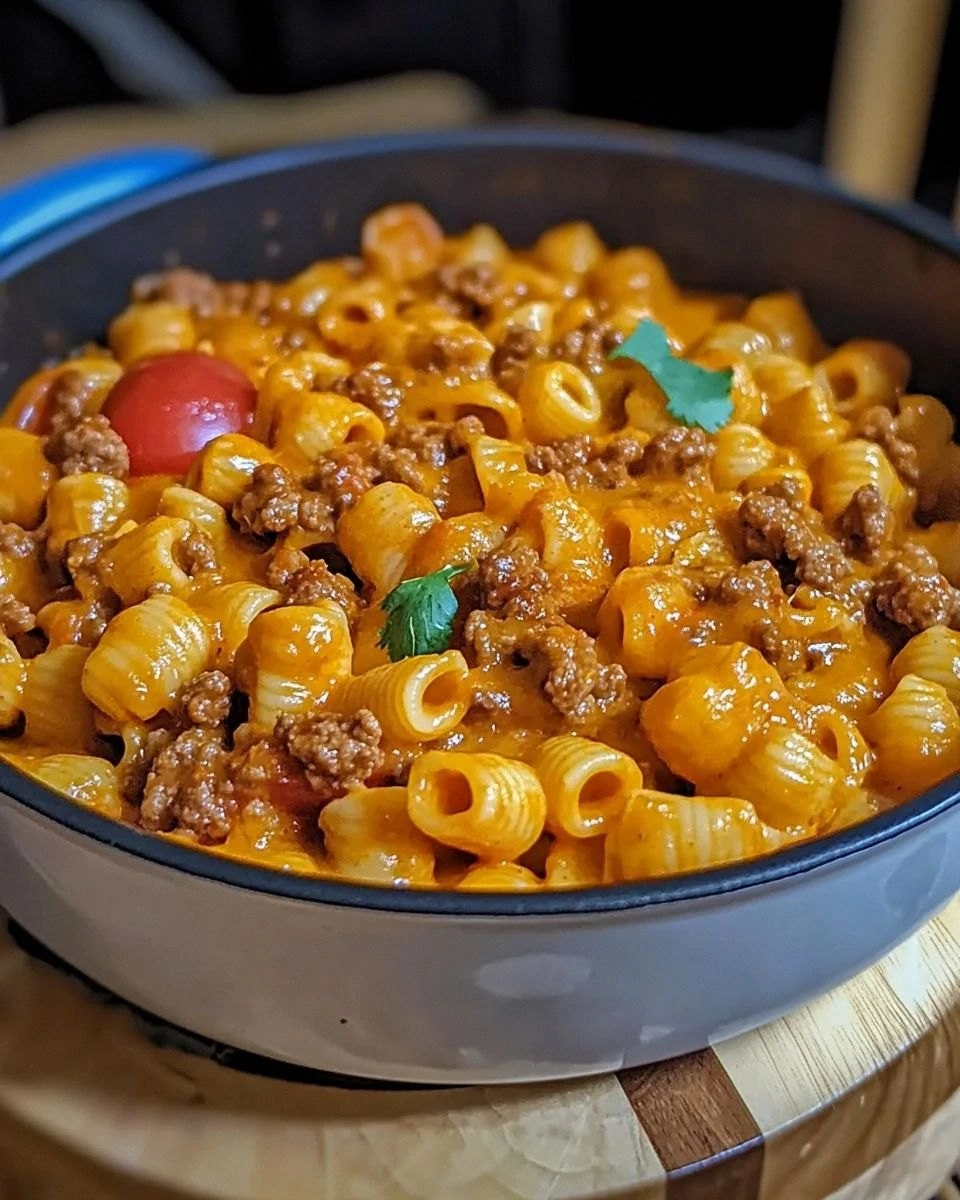
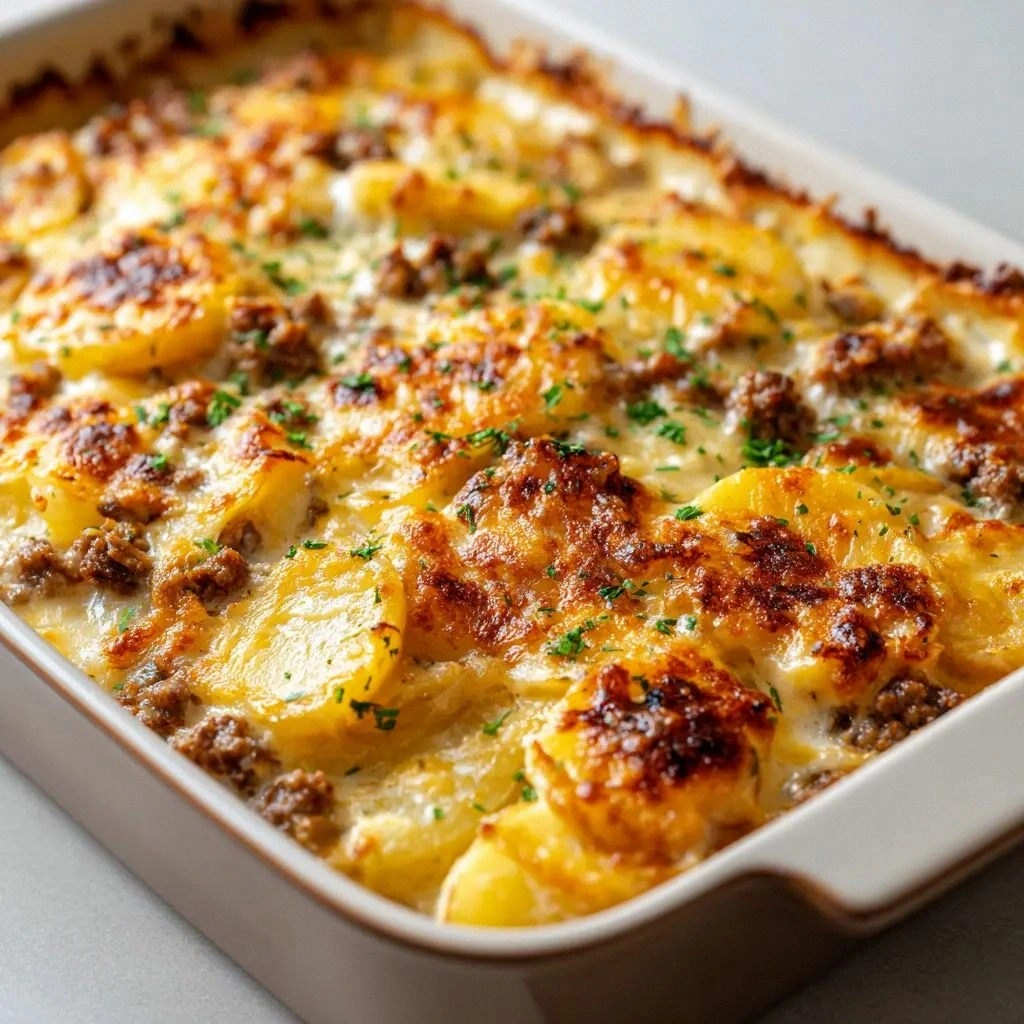
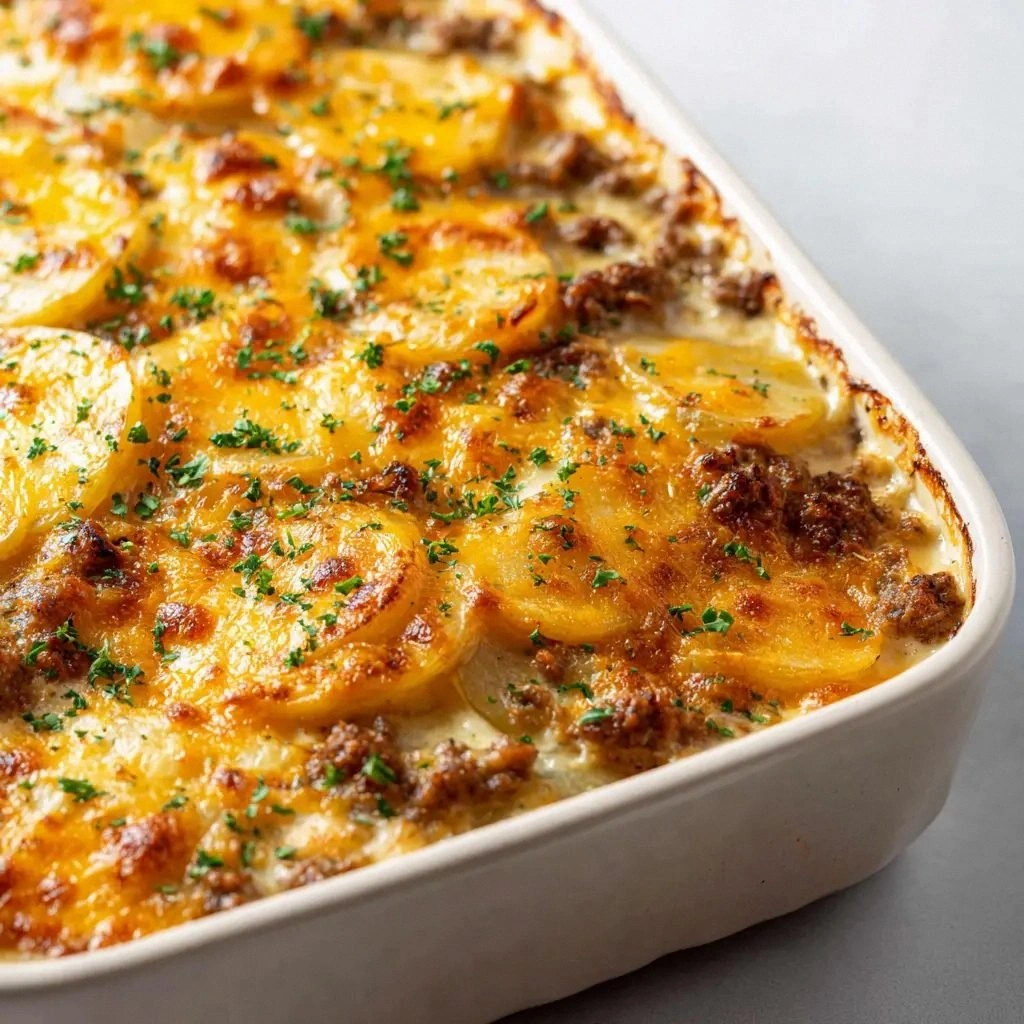
Picture this: a thick layer of melted cheddar that blankets a hearty bed of seasoned ground beef, with potatoes sliced into tender, slightly crisp wedges that have absorbed the savory gravy. The aroma that fills the kitchen is a sweet, buttery caramel of onions and garlic, mingling with the sharp tang of cheddar and the earthy scent of potatoes. When you lift the pot, steam rises like a warm, savory cloud, and the sound of bubbling sauce is music to any hungry soul. The first bite delivers a symphony of textures—crisp on the outside, creamy on the inside, and that satisfying, buttery crunch that makes every mouthful an adventure. And the best part? It’s a dish that feels like a hug on a plate.
I’m not just talking about a casserole that feeds a crowd; I’m talking about a casserole that becomes the centerpiece of any gathering. Most recipes get this completely wrong by either overcooking the potatoes or under-seasoning the meat. My version balances moisture and crunch, ensuring that each layer is perfectly cooked without sacrificing flavor. I dare you to taste this and not go back for seconds. The sauce coats the pasta like velvet, and the edges will shatter like thin ice when you bite into it. It’s hands down the best version you'll ever make at home, and it will change the way you think about comfort food forever.
If you've ever struggled with casseroles that turn out soggy or underseasoned, you're not alone. I’ve been there—pouring a bland mixture into a pan, hoping the oven will do the rest, only to end up with a mushy disaster. I’ve also tasted casseroles that were dry, overcooked, or just plain boring. But this recipe is different. It’s a carefully calibrated blend of flavors and textures that comes together like a well‑orchestrated symphony. Picture yourself pulling this out of the oven, the whole kitchen smelling incredible, and knowing that you’ve just created a dish that will become a family favorite. Stay with me here—this is worth it.
What Makes This Version Stand Out
- Flavor: The combination of sharp cheddar, savory beef, and caramelized onions creates a depth that is both comforting and exciting.
- Texture: The potatoes are sliced thin enough to crisp on the edges but thick enough to stay tender, providing a satisfying bite.
- Simplicity: With only 13 ingredients, this recipe is approachable for beginners and seasoned cooks alike.
- Uniqueness: The addition of a butter‑flour roux creates a silky gravy that binds everything together.
- Crowd Appeal: Whether it’s a family dinner or a potluck, this casserole satisfies all ages and tastes.
- Ingredient Quality: Using lean ground beef and fresh potatoes ensures the dish is both flavorful and healthier.
- Cooking Method: The stovetop searing followed by oven baking locks in juices and develops a golden crust.
- Make‑Ahead Potential: You can assemble it the night before, refrigerate, and bake in the morning for a stress‑free breakfast or lunch.
Alright, let’s break down exactly what goes into this masterpiece. Before we dive into the ingredient details, here’s a quick kitchen hack that will save you time and keep your hands from getting too hot.
Inside the Ingredient List
The Flavor Base
Ground Beef (1.5 lbs): The foundation of the casserole, the beef provides rich, savory flavor and a hearty texture. Choosing lean ground beef keeps the dish from becoming greasy while still delivering a satisfying bite. If you skip it, you lose the protein punch and the depth that makes the casserole comforting. For a meatless version, try a plant-based crumbled tofu or tempeh for a similar texture.
Onion (1 large yellow): Caramelized onions add sweetness and a subtle umami layer that balances the beef’s richness. They also help to create a golden crust on top. If you omit onions, the casserole will feel a bit flat; consider adding diced carrots or celery for extra flavor.
Garlic (3 cloves): Garlic infuses the dish with a fragrant punch that cuts through the richness. It also encourages the beef to brown beautifully. Skipping garlic will make the dish less aromatic; a pinch of dried oregano can be a suitable substitute for a different flavor profile.
The Texture Crew
Potatoes (2.5 lbs Yukon Gold or Russet): Potatoes are the star of the show, offering a creamy interior and a slightly crisp exterior when baked. They absorb the gravy, creating a cohesive bite. If you use sweet potatoes instead, the casserole will have a sweeter, darker twist. Keep the potatoes cold before slicing to prevent them from becoming mushy.
Butter (1/4 cup): Butter adds richness and a silky mouthfeel to the roux and gravy. It also helps the cheddar melt smoothly. If you’re watching calories, replace half the butter with olive oil for a lighter version.
Flour (1/4 cup): Flour thickens the gravy, creating a luscious base that clings to the meat and potatoes. Skipping flour will result in a thin, watery sauce. Use a gluten‑free flour blend if you need a gluten‑free option.
The Unexpected Star
Cheddar Cheese (3 cups sharp): The cheddar brings that signature gooey, melty texture and sharp flavor that makes every bite memorable. It also gives the casserole its golden top. If you prefer a milder cheese, try a blend of mozzarella and Monterey Jack, though the flavor profile will shift slightly.
Whole Milk (2 cups): Milk creates a creamy gravy that coats the potatoes and beef. It also helps the cheese melt evenly. For a richer sauce, substitute half the milk with heavy cream; for a lighter option, use a plant-based milk like oat milk.
The Final Flourish
Beef Broth (1 cup): Beef broth adds depth and a savory undertone that balances the richness of the beef and cheese. It also keeps the casserole moist. If you don’t have broth, use chicken broth or a vegetable broth for a lighter flavor.
Olive Oil (1 tbsp): A splash of olive oil helps the beef brown and adds a subtle fruity note. If you’re avoiding oil, a small amount of butter can serve the same purpose.
Salt (1.5 tsp kosher): Salt is essential for bringing out all the flavors. It also helps the beef and cheese meld together. If you’re watching sodium, reduce the amount slightly but be careful not to under-season.
Black Pepper (1 tsp): Pepper adds a gentle heat that complements the beef and cheese. If you prefer a spicier dish, add a pinch of cayenne or red pepper flakes.
Fresh Parsley (2 tbsp): Parsley provides a bright, herbal finish that cuts through the richness. It also adds a pop of color that makes the dish visually appealing. If you’re out of parsley, a sprinkle of chopped chives works well.
Everything’s prepped? Good. Let’s get into the real action and start building the layers of flavor that will make this casserole unforgettable.
The Method — Step by Step
- Prep the potatoes. Wash, scrub, and peel the Yukon Gold or Russet potatoes. Slice them into 1/4-inch thick rounds, keeping them cold until you’re ready to bake. This helps them maintain their shape and ensures even cooking. I always keep them in a bowl of cold water to prevent oxidation.
- Season the beef. In a large skillet over medium‑high heat, add the olive oil. Once hot, add the ground beef, breaking it apart with a spatula. Sprinkle the kosher salt and black pepper over the meat, then stir to combine. Cook until the beef is browned and no longer pink, about 5–7 minutes. Drain excess grease if necessary.
- Sauté the aromatics. Push the beef to one side of the skillet and add the butter. Let it melt, then add the diced onion and minced garlic. Sauté until the onion is translucent and the garlic is fragrant, about 3–4 minutes. The onion should turn a beautiful golden hue.
- Make the roux. Sprinkle the flour over the butter, onion, and garlic mixture. Stir constantly for 1–2 minutes, until the flour is lightly toasted and the mixture smells nutty. This creates a silky base for the gravy.
- Build the gravy. Gradually whisk in the whole milk, stirring until the mixture is smooth and thickened. Pour in the beef broth and continue stirring until the gravy is glossy and coats the back of a spoon. Let it simmer for 2–3 minutes, allowing the flavors to meld. It should have a thick, velvety consistency.
- Combine the beef and gravy. Return the browned beef to the skillet, stirring to coat it fully in the gravy. Let the mixture bubble gently for 1 minute, then remove from heat. This step ensures the beef is infused with the rich sauce.
- Layer the casserole. Preheat your oven to 375°F (190°C). In a greased baking dish, spread a thin layer of the beef gravy at the bottom. Arrange a single layer of potato rounds over the gravy, slightly overlapping. Spoon a generous amount of the beef mixture over the potatoes. Sprinkle half of the sharp cheddar evenly on top. Repeat the layers—potatoes, beef, cheddar—until all ingredients are used, finishing with a final layer of cheese.
- Bake to perfection. Cover the dish with aluminum foil and bake in the preheated oven for 25 minutes. Then, remove the foil and bake for an additional 10–12 minutes, or until the top is golden brown and bubbly. The casserole should smell like a savory, cheesy dream.
- Rest before serving. Let the casserole rest for 10 minutes after removing it from the oven. This allows the juices to redistribute, making each bite moist and flavorful. While it rests, sprinkle the fresh parsley over the top for a burst of color and freshness.
- Serve and enjoy. Slice the casserole into portions, ensuring each piece has a bit of every layer. Serve hot, perhaps with a side of steamed green beans or a crisp green salad. The combination of savory beef, creamy cheese, and crispy potatoes will leave everyone asking for seconds.
That’s it—you did it. But hold on, I’ve got a few more tricks that will take this casserole from great to legendary. Stick around for the insider tips that will ensure your dish always turns out perfect.
Insider Tricks for Flawless Results
The Temperature Rule Nobody Follows
Many cooks bake casseroles at a high temperature for a short time, thinking it will speed up cooking. However, this often leads to unevenly cooked potatoes and a burnt top. I recommend baking at 375°F (190°C) and letting it cook for 35–40 minutes, covering with foil for the first 25 minutes. This gentle, consistent heat ensures the potatoes are tender inside while the cheese on top achieves a beautiful golden crust.
Why Your Nose Knows Best
The aroma of a casserole is a powerful indicator of doneness. When the cheese melts and the edges of the potatoes begin to brown, the smell will be rich, buttery, and slightly caramelized. Trust your nose; if it smells like toasted bread and cheese, the casserole is ready. I’ve learned that the scent often precedes the visual cue, saving you from overbaking.
The 5-Minute Rest That Changes Everything
Letting the casserole rest for 10 minutes after baking allows the juices to redistribute. This step prevents a dry center and ensures each bite is moist. While it rests, the cheese will slightly firm up, making it easier to slice cleanly. I’ve seen people skip this step and end up with a gummy, uneven casserole. Trust me, the rest is worth the wait.
The Layering Technique
When arranging the layers, start with a thin base of gravy to prevent the potatoes from becoming soggy. Then, place the potatoes in a single, even layer, followed by the beef mixture and a generous amount of cheese. Repeat until all ingredients are used. This method creates a balanced bite with each component shining through.
The Freshness Hack
Fresh parsley not only adds color but also enhances the flavor profile with a subtle herbal note. Add it just before serving to preserve its bright green color and fresh taste. If you’re cooking ahead of time, sprinkle the parsley after reheating for the best visual impact.
Creative Twists and Variations
This recipe is a playground. Here are some of my favorite ways to switch things up:
Spicy Jalapeño Kick
Add diced jalapeños to the beef mixture for a subtle heat that balances the richness. The jalapeños also add a pop of color and a fresh bite. I love this version on game nights when friends crave something a little extra.
Smoky Chipotle Flavor
Stir in a tablespoon of chipotle in adobo sauce into the gravy. The smoky undertone transforms the casserole into a southwestern favorite. It’s a great way to bring a new dimension to a classic comfort dish.
Mushroom Medley
Sauté sliced mushrooms with the onions and garlic before adding the beef. The earthy flavor pairs wonderfully with cheddar and beef, creating a deeper, more complex taste. This variation is perfect for mushroom lovers.
Cheese Swap
Replace sharp cheddar with a blend of mozzarella and Monterey Jack for a milder, creamier top. The cheeses melt smoothly, creating a gooey blanket that’s slightly less tangy but still delicious. This is ideal for those who prefer a subtler cheese flavor.
Herb‑Infused Delight
Add dried thyme or rosemary to the beef mixture. The herbs give the casserole a fragrant, aromatic quality that elevates the overall flavor. I often sprinkle fresh thyme on top before baking for an extra touch.
Low‑Fat Version
Use lean ground turkey instead of beef and replace the butter with a small amount of olive oil. This cuts down on calories while still delivering a hearty, comforting dish. The turkey’s mild flavor complements the sharp cheddar beautifully.
Storing and Bringing It Back to Life
Fridge Storage
Cool the casserole to room temperature before refrigerating. Store it in an airtight container or wrap tightly with foil and plastic wrap. It will keep fresh for up to 4 days in the fridge, making it a great make‑ahead option for busy weeknights. When ready to eat, reheat in the oven at 350°F (175°C) until warmed through.
Freezer Friendly
For longer storage, place the casserole in a freezer‑safe container and freeze for up to 3 months. Thaw overnight in the refrigerator before reheating. Add a splash of milk or broth before reheating to keep the sauce from drying out. The texture will remain tender, and the flavors will stay intact.
Best Reheating Method
Reheat the casserole in the oven at 350°F (175°C) for 15–20 minutes, or until hot and bubbly. If you’re short on time, microwave on medium for 4–5 minutes, stirring halfway through. Adding a tiny splash of water before reheating steams the dish back to perfection, preserving moisture and flavor.