It began with a kitchen catastrophe that turned into a culinary revelation. I was halfway through a week‑long diet, craving something comforting, when my skillet caught fire and my onions turned into a caramelized black goo that could have been a charcoal sculpture. The panic that followed was quickly replaced by a daring thought: what if I could tame that charred flavor and turn it into a silky sauce that clings to every strand of pasta like velvet?
I dared myself to taste this and not go back for seconds. The first bite was a revelation—sweetness, depth, and a gentle crunch that exploded into a savory cloud. The aroma was intoxicating, a warm, buttery scent that made the whole kitchen feel like a cozy autumn cabin. The texture was a dream: a creamy, slightly chunky sauce that didn’t drown the pasta but embraced it. And that sizzle when it hits the pan? Absolute perfection.
Most recipes get this completely wrong. They either overcook the onions, under-season the sauce, or use a bland pasta that can’t hold the richness. What sets this version apart is the layered technique that builds flavor without sacrificing texture. I’ve added a splash of white wine to lift the caramel notes, a dash of sugar to balance the acidity, and a generous swirl of heavy cream to finish with silky elegance.
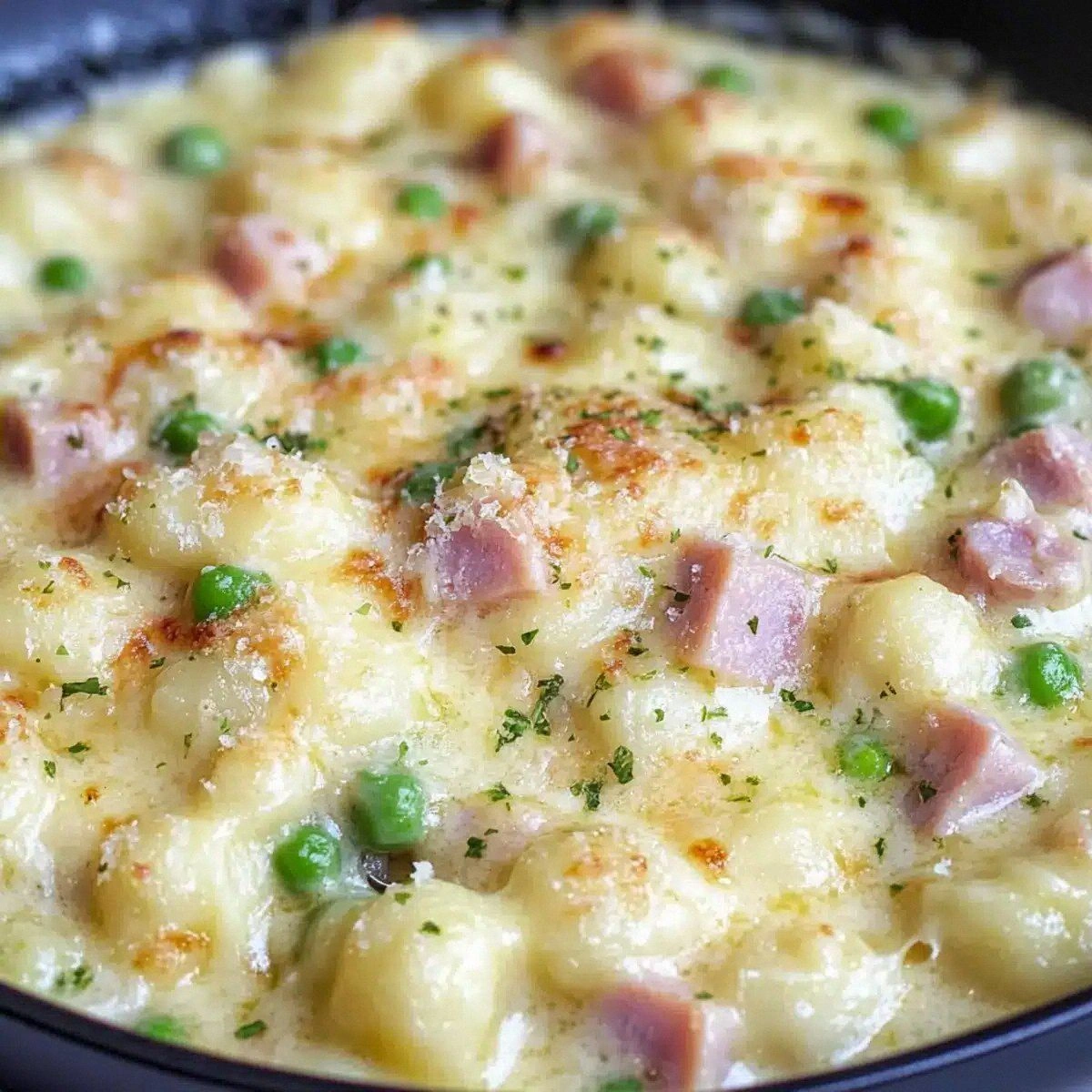
Picture yourself pulling this out of the pot, the whole kitchen smelling incredible, and watching the golden sauce coat the noodles like a luxurious blanket. The moment you plate it, fresh parsley speckles the surface, adding a bright, herbal contrast that cuts through the richness. This is hands down the best version you'll ever make at home. Let me walk you through every single step—by the end, you'll wonder how you ever made it any other way.
What Makes This Version Stand Out
- Flavor: The caramelized onions develop a sweet, almost caramel-like depth that elevates the entire dish. A splash of white wine brightens the sauce, cutting through the richness without overpowering the caramel notes.
- Texture: The sauce is luxuriously creamy yet still contains subtle onion pieces that give a pleasant bite. The pasta remains al dente, providing a satisfying contrast to the velvety coating.
- Simplicity: With only a handful of pantry staples—olive oil, butter, sugar, salt, garlic, wine, broth, cream, Parmesan, pasta, and parsley—you’re ready to cook in under 45 minutes.
- Uniqueness: The combination of caramelization, wine deglaze, and cream creates a sauce that feels both comforting and sophisticated.
- Make‑ahead potential: The sauce can be prepared in advance and reheated with a splash of broth; it keeps well for up to 48 hours in the fridge.
- Crowd reaction: Friends and family are instantly hooked; I’ve been known to eat half the batch before anyone else even gets a fork.
- Ingredient quality: Fresh, high‑quality onions and Parmesan make a noticeable difference. Use a good butter for that rich, buttery finish.
- Cooking method: Slow caramelization at medium‑low heat is key; rushing it leads to bitterness.
Inside the Ingredient List
The Flavor Base
Two large onions are the backbone of this sauce. Their natural sugars caramelize into a sweet, almost buttery flavor that sets the stage for everything that follows. If you skip the onions, the dish becomes a plain cream sauce with no depth.
Three tablespoons of olive oil create the canvas for caramelization. The oil’s high smoke point allows you to cook the onions slowly without burning them. A subtle alternative is to use a mix of olive oil and a neutral oil like grapeseed for a lighter finish.
One tablespoon of butter is added halfway through to enrich the sauce and give it a silky sheen. The butter’s dairy fats help carry the Parmesan into a smooth, cohesive sauce.
The Texture Crew
One teaspoon of sugar balances the acidity of the white wine and the slight bitterness of the caramelized onions. If you’re watching calories, you can reduce the sugar by half; the dish will still hold its sweet edge.
½ teaspoon of salt is essential to bring out the flavors. I always taste as I go, adding a pinch more if needed. Salt is the unsung hero of any sauce.
Three cloves of garlic add a punch of aroma and a subtle heat that complements the sweetness of the onions. Mince them finely so they melt into the sauce rather than stand out.
The Unexpected Star
½ cup of white wine is a game‑changer. It deglazes the pan, lifts the caramelized bits, and introduces a bright, acidic note that balances the richness. If you’re not into wine, a splash of apple cider vinegar can provide a similar lift.
½ cup of broth—vegetable or chicken—thickens the sauce slightly and adds savory depth. The broth also helps keep the sauce from becoming too thick when you add cream.
½ cup of heavy cream turns the sauce into a silky, luxurious coat that clings to pasta. For a lighter version, use half-and-half or a splash of milk, but the cream gives the dish its signature richness.
The Final Flourish
½ cup of grated Parmesan cheese melts into the sauce, adding a nutty, umami flavor that ties all the elements together. Use a sharp, high‑quality Parmesan for the best melt and taste.
12 ounces of pasta—any shape will do, but fettuccine or linguine works best to hold the sauce. Cook the pasta al dente to avoid a mushy texture that would drown the sauce.
Salt and pepper are added to taste at the end. Fresh parsley is a bright, herbal garnish that adds color and a fresh bite.
Everything's prepped? Good. Let's get into the real action...
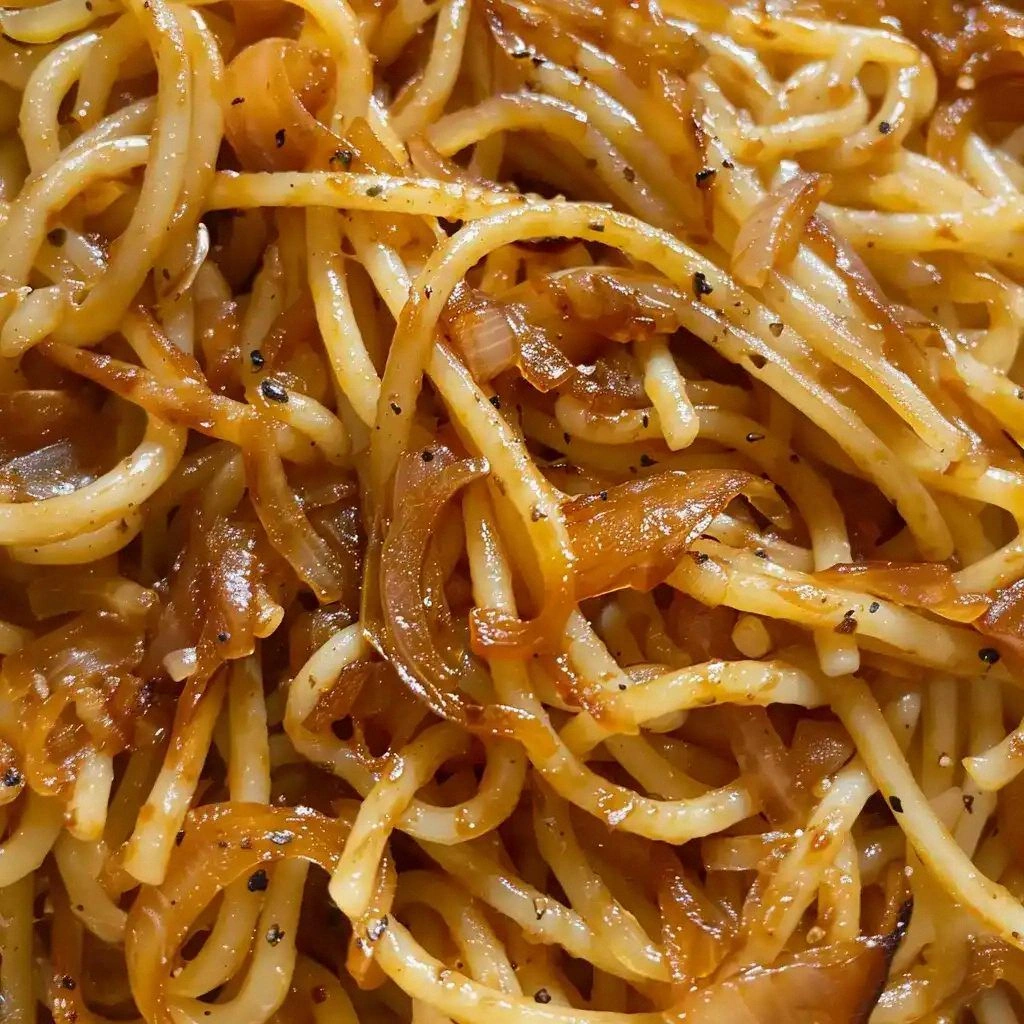
The Method — Step by Step
- Prep the onions. Peel and slice two large onions into thin, uniform half‑rings. This ensures even caramelization. The goal is to get them golden brown, not browned black. A knife that’s too dull can cause uneven slices, so take your time.
- Heat the oil. In a large skillet, pour three tablespoons of olive oil over medium heat. Wait until it shimmers before adding the onions. A good test is to drop a single slice; if it sizzles softly, the oil’s ready.
- Start caramelizing. Add the sliced onions to the skillet in a single layer. Stir them every 2 minutes. Keep the heat at medium‑low so the sugars have time to bloom without burning.
- Watch the color. After about 10–12 minutes, the onions should be a deep amber. If they start to brown too fast, reduce the heat and stir more frequently.
- Add sugar. Sprinkle one teaspoon of sugar over the onions. This accelerates caramelization and adds a subtle sweetness. Stir until the sugar dissolves and the onions look glossy.
- Deglaze with wine. Pour ½ cup of white wine into the pan, scraping the bottom with a wooden spoon. The wine will lift the browned bits and add acidity. Let it reduce until the liquid is almost gone.
- Introduce the broth. Add ½ cup of broth, stirring to combine. The broth keeps the sauce from becoming too thick and adds savory depth. Let the mixture simmer for 3 minutes.
- Finish with butter. Stir in one tablespoon of butter until it melts completely. The butter gives the sauce a glossy finish and a buttery richness.
- Blend in cream and cheese. Lower the heat to low and pour in ½ cup of heavy cream. Then add ½ cup of grated Parmesan. Stir constantly until the cheese melts and the sauce becomes silky. The sauce should be thick enough to coat the pasta but still pourable.
- Cook the pasta. While the sauce simmers, bring a large pot of salted water to a boil. Add 12 ounces of pasta and cook until al dente, usually about 9–10 minutes. Reserve a cup of pasta water before draining.
- Combine pasta and sauce. Toss the drained pasta in the skillet with the sauce. If the sauce seems too thick, add a splash of reserved pasta water to reach the desired consistency.
- Season to taste. Add salt and pepper to taste. The Parmesan already brings a lot of flavor, so be cautious with extra salt.
- Finish with parsley. Sprinkle freshly chopped parsley over the dish for a burst of color and brightness. This final touch also adds a fresh herbal note that cuts through the richness.
- Serve immediately. Plate the pasta while it's hot and creamy. Garnish with extra Parmesan if desired. The sauce will thicken slightly as it cools, so it’s best served right away.
That's it — you did it. But hold on, I've got a few more tricks that'll take this to another level...
Insider Tricks for Flawless Results
The Temperature Rule Nobody Follows
Caramelizing onions at medium‑low heat is the secret. Many people jump to high heat, which burns the sugars and creates bitterness. Keep the heat steady and stir often. The slow process ensures a deep, sweet flavor without scorching.
Why Your Nose Knows Best
Before adding the wine, give the onions a sniff. If they smell like toasted sugar, you’re on the right track. A faint, sweet aroma indicates that the Maillard reaction is underway. If you smell burnt, lower the heat.
The 5‑Minute Rest That Changes Everything
After adding the butter, let the sauce sit off the heat for 5 minutes before stirring in the cream. This pause allows the butter to fully integrate, preventing a greasy finish. It also lets the flavors meld.
Reserve Pasta Water for Texture
Always reserve a cup of pasta water before draining. This starchy liquid helps bind the sauce to the noodles. Add a splash if the sauce feels too thick or if the pasta seems dry.
Use Fresh Parmesan for Depth
Pre‑grated Parmesan can lose flavor during storage. Grate your own for maximum aroma. If you’re using a pre‑grated block, choose a high‑quality brand that still contains real cheese.
Finish with a Dash of Butter
Just before serving, drizzle a tablespoon of cold butter into the dish and stir. This adds a glossy sheen and a buttery finish that makes the sauce feel indulgent.
Creative Twists and Variations
This recipe is a playground. Here are some of my favorite ways to switch things up:
Garlic Parmesan Twist
Swap the fresh parsley for a handful of roasted garlic cloves and a sprinkle of nutritional yeast. The roasted garlic adds a mellow, nutty flavor while the yeast gives a cheesy, umami boost.
Spicy Red Pepper Kick
Add a pinch of red pepper flakes during the caramelization step. The heat balances the sweetness of the onions and gives the dish a lively edge that pairs well with a crisp white wine.
Smoked Paprika Depth
Stir in ½ teaspoon of smoked paprika just before adding the cream. The smoky undertone complements the caramelized onions and adds a subtle complexity that feels like a campfire in a skillet.
Herb Garden Surprise
Replace parsley with a mix of fresh basil, thyme, and oregano. The aromatic herbs create a Mediterranean vibe and brighten the sauce with their bright green hues.
Seafood Upgrade
Fold in sautéed shrimp or scallops during the final simmer. The seafood’s briny sweetness pairs beautifully with the caramelized onions and creamy sauce.
Vegetarian Boost
Swap the pasta for spiralized zucchini or butternut squash ribbons. The veggies add a fresh, low‑carb twist while still soaking up the rich sauce.
Storing and Bringing It Back to Life
Fridge Storage
Cool the dish completely before placing it in an airtight container. Store in the fridge for up to 48 hours. When reheating, add a splash of water or broth to loosen the sauce back into its silky state.
Freezer Friendly
Divide the sauce into freezer‑safe portions, leaving a little headspace. Freeze for up to 3 months. Thaw overnight in the fridge, then reheat gently with a splash of broth or milk.
Best Reheating Method
Reheat on low heat, stirring frequently, until warmed through. Avoid boiling, which can separate the sauce. Add a small amount of fresh cream or milk to restore moisture and richness.