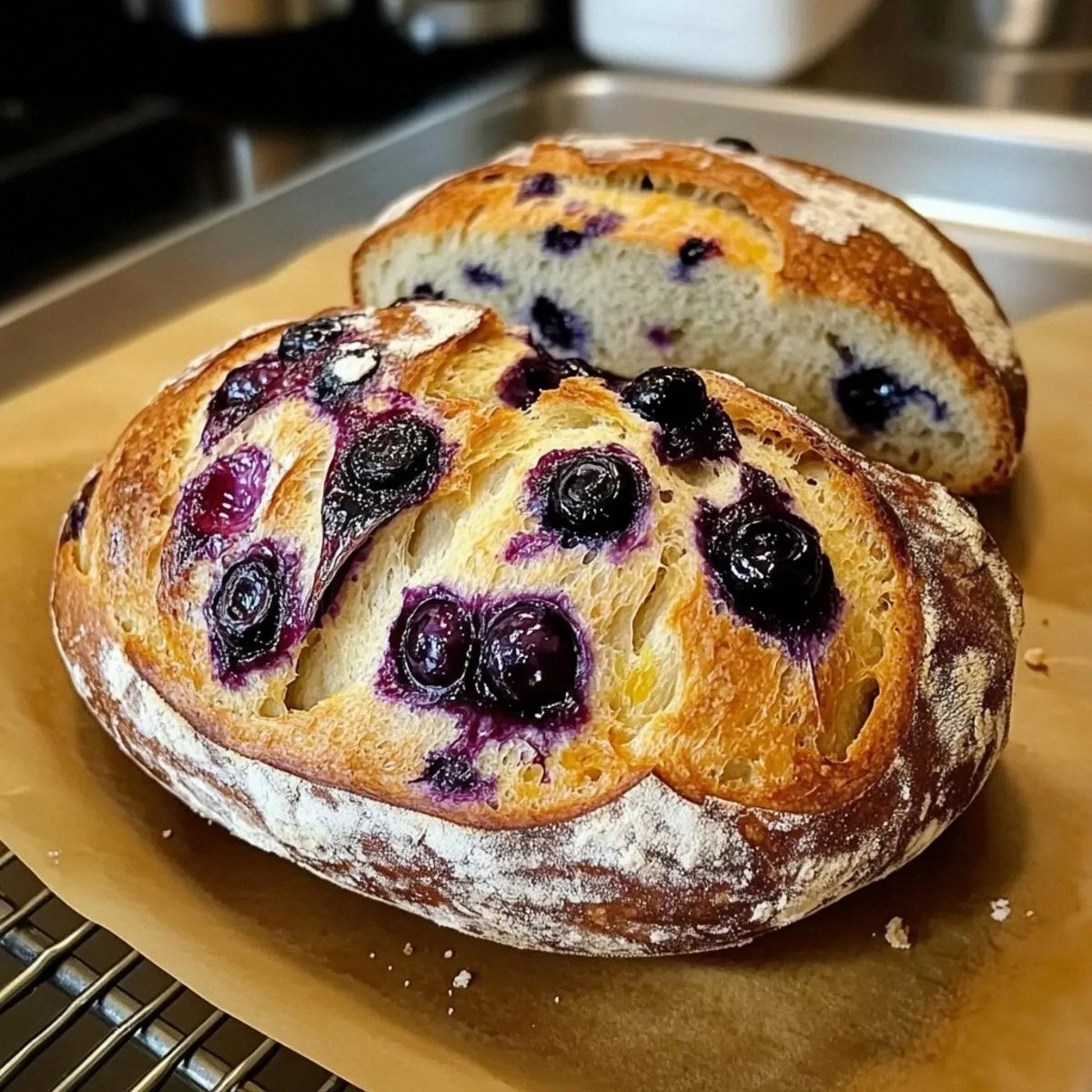
Picture this: it’s a lazy Sunday morning, the rain is tapping a gentle rhythm on the windows, and you’re standing in a kitchen that smells like a bakery exploded with sunshine. I was halfway through a batch of sourdough starter, feeling like a mad scientist, when a sudden craving for something sweet, tangy, and utterly comforting hit me like a bolt of lightning. I grabbed a lemon, a handful of blueberries, and a block of cream cheese, and the rest is a deliciously messy story you’ll want to hear. I’ll be honest — I ate half the batch before anyone else got a chance to try it, and that’s because this bread is nothing short of addictive.
The moment the dough hit the counter, the aroma of fresh bread mingled with bright lemon zest, creating a scent that could coax a smile out of even the grumpiest neighbor. The texture? Imagine the chewiness of a classic sourdough loaf, but with pockets of juicy blueberries that burst like tiny fireworks, and a swirl of cream cheese that melts into a silky ribbon as you slice through. The crust cracks open with a satisfying snap, releasing a faint citrus perfume that makes you want to inhale deeply, just to capture that fleeting perfume forever. If you’ve ever struggled with a sourdough that feels flat or a quick bread that collapses, you’re not alone — and I’ve got the fix.
What sets this version apart isn’t just the ingredient list; it’s the method that turns ordinary components into a symphony of flavor. Most recipes get the balance between sourdough tang and sweet fruit wrong, either drowning the bread in sugar or leaving the lemon too subtle. Here, the lemon zest and juice are introduced at two critical points, preserving their bright punch while the sourdough’s natural acidity lifts everything to a higher plane. And let’s talk about the cream cheese swirl — a secret technique that creates pockets of melt‑in‑your‑mouth richness without turning the crumb soggy. I dare you to taste this and not go back for seconds.
Okay, ready for the game‑changer? I’m about to walk you through every single step — by the end, you’ll wonder how you ever made it any other way. From coaxing the starter to peak activity, to mastering the perfect fold that distributes blueberries evenly, this guide has the nitty‑gritty details you need. Picture yourself pulling this out of the oven, the whole kitchen smelling incredible, the crust gleaming golden, and the first slice revealing a marbled swirl of lemon‑bright cream cheese and plump berries. Let’s dive in and make a loaf you’ll crave forever.
What Makes This Version Stand Out
- Flavor Fusion: The bright citrus from lemon zest and juice cuts through the earthy sourdough, while the blueberries add bursts of natural sweetness that feel like little celebrations in every bite.
- Texture Triumph: A crisp, caramelized crust gives way to a tender crumb studded with juicy berries and a creamy ribbon that never gets soggy.
- Simplicity Meets Sophistication: Despite the impressive flavor profile, the ingredient list is short and the steps are straightforward, perfect for both novice bakers and seasoned pros.
- Unique Swirl Technique: Folding in the cream cheese mixture creates a marbled effect that looks as good as it tastes, turning a simple loaf into a show‑stopper.
- Crowd‑Pleaser: Whether you serve it at brunch, as a snack, or a dessert, this bread earns rave reviews and often disappears before the second slice can even be cut.
- Ingredient Quality: Using fresh lemon zest and high‑quality blueberries ensures a vibrant flavor that frozen substitutes can’t quite match, but we’ll give you options.
- Hands‑Off Fermentation: The sourdough starter does the heavy lifting, giving you a deep, complex flavor without hours of kneading.
- Make‑Ahead Potential: This loaf freezes beautifully, so you can bake a batch, slice, and store for weeks of effortless breakfast luxury.
Inside the Ingredient List
The Flavor Base
Active Sourdough Starter (1 cup): This living culture is the heart of the loaf, providing the natural leavening and that signature tang. If your starter is sluggish, feed it 12 hours before you start and watch it double in size; a lively starter guarantees a light, airy crumb. Skipping the starter means you lose the depth of flavor, turning this into a plain quick bread.
The Texture Crew
Bread Flour or All‑Purpose Flour (3.5 cups): Bread flour’s higher protein content creates gluten strands that trap gas, giving the loaf its chewy structure. If you only have all‑purpose flour, the texture will be slightly softer but still delightful. Choose a flour that feels heavy in your hand; cheap, bleached flour often results in a gummy crumb.
Water (1.25 cups): Hydration is the secret sauce for an open crumb. Too little water yields a dense loaf, while too much makes the dough slack and hard to shape. Use lukewarm water (around 85°F) to keep the starter happy and the dough pliable.
The Unexpected Star
Lemon Zest (1 zest) & Lemon Juice (1 tbsp): Zest delivers aromatic oils that survive baking, while juice adds a subtle acidity that brightens the sourdough’s flavor. If you’re out of fresh lemons, a teaspoon of lemon extract can substitute, but the zest is non‑negotiable for that authentic zing.
Blueberries (1 cup fresh or frozen): Fresh berries burst with juice; frozen ones are perfect for year‑round baking. Toss them in a tablespoon of flour before folding in to keep them from sinking to the bottom. Skipping the flour coating will result in a blue‑speckled bottom and a dry crumb.
The Final Flourish
Cream Cheese (0.5 cup): This adds a luxurious creaminess that balances the tang of the starter and the brightness of the lemon. Soften it before mixing with honey; otherwise you’ll end up with clumps that never fully integrate. If you’re dairy‑free, a plant‑based cream cheese works, but expect a slightly different mouthfeel.
Honey or Maple Syrup (1 tbsp): A touch of natural sweetness rounds out the flavor and helps the crust caramelize. Choose honey for floral notes, maple for a deeper, woody sweetness. Omit this and the loaf will feel more like a traditional sourdough, lacking the subtle sweet finish.
Everything's prepped? Good. Let’s get into the real action…
The Method — Step by Step
Begin by feeding your active sourdough starter with equal parts flour and water, then let it sit at room temperature until it’s bubbly and has doubled in size. You’ll know it’s ready when it looks like a fluffy cloud and passes the “float test” (a spoonful should float in water). This step is the foundation; if the starter isn’t lively, the loaf will never rise properly. While the starter ferments, preheat your oven to 450°F (230°C) and place a Dutch oven inside to heat up.
Kitchen Hack: Keep a small bowl of warm water nearby; if the starter looks sluggish, a splash can revive its activity without compromising flavor.In a large mixing bowl, combine 3.5 cups of flour with 1.25 cups of lukewarm water. Stir until no dry spots remain, creating a shaggy dough. Let this autolyse rest for 30 minutes; this allows the flour to fully hydrate and the gluten to start forming, which makes the later kneading smoother. During this time, the kitchen will fill with a faint, nutty aroma that hints at the delicious loaf to come.
Add the bubbly starter, 1 tsp salt, 1 zest of lemon, and 1 tbsp lemon juice to the autolysed dough. Mix thoroughly until everything is evenly incorporated; the dough should feel slightly sticky but manageable. This is the moment of truth — the starter should blend in without any pockets of raw flour. If the dough feels too dry, drizzle in a teaspoon of water; if too wet, sprinkle a little extra flour.
Now, fold in the blueberries. Toss the berries in a tablespoon of flour first, then gently fold them into the dough using a “stretch‑and‑fold” motion. You’ll see the berries speckle the dough like tiny jewels. This step is delicate; over‑mixing will crush the berries and bleed their juices, turning the crumb soggy.
Cover the bowl with a damp towel and let the dough bulk ferment for 3–4 hours at room temperature. Every hour, perform a set of stretch‑and‑folds (four folds total). You’ll notice the dough becoming smoother and more elastic, and it should increase in volume by about 30‑40%. This is where the magic happens — the gluten network strengthens while the sourdough builds flavor.
While the dough is in its final rise, prepare the cream cheese swirl. Soften 0.5 cup cream cheese, then whisk in 1 tbsp honey (or maple syrup) until smooth. Add a pinch of lemon zest for extra brightness. This mixture should be creamy enough to drizzle but thick enough to hold its shape when folded.
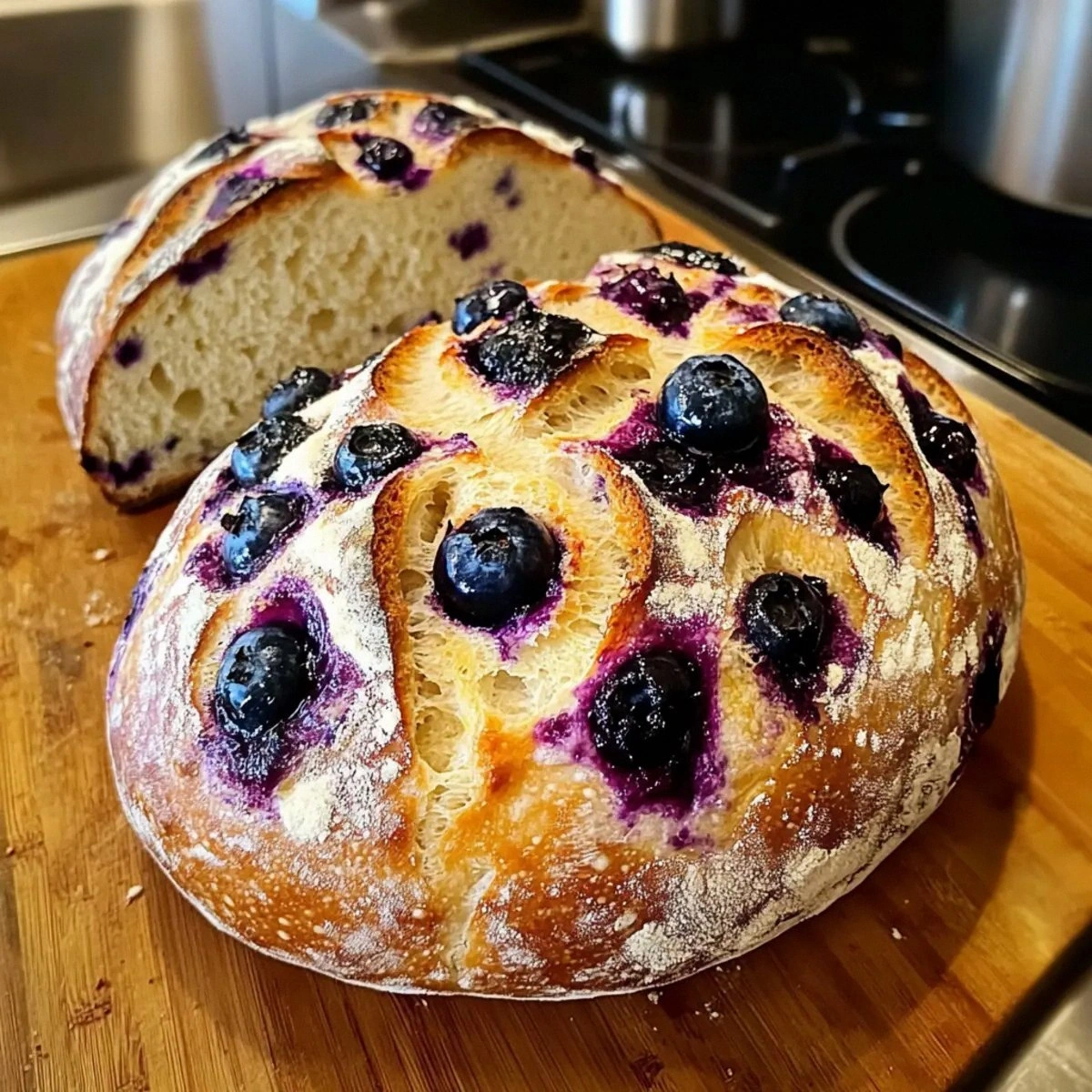
Turn the risen dough onto a lightly floured surface and gently shape it into a round boule. Using a bench scraper, create a shallow well in the center and pour the cream cheese mixture in, then fold the dough over itself to encase the swirl, creating a marbled effect. This is the “swirl” step that gives the bread its signature look. If you’re nervous about the swirl, practice on a small piece of dough first.
Watch Out: Be careful not to over‑stretch the dough when encasing the cream cheese; tearing the surface will cause the swirl to leak out and create pockets of soggy crumb.Place the shaped loaf onto a parchment‑lined piece of parchment paper, then score the top with a sharp razor blade or lame in a decorative pattern. This allows steam to escape and gives the crust an appealing look. Transfer the loaf (with parchment) into the preheated Dutch oven, cover, and bake for 20 minutes.
After 20 minutes, remove the lid to let the crust develop its deep, caramelized color. Bake for an additional 20–25 minutes, or until the crust is a deep golden‑brown and the internal temperature hits 200°F (93°C). The bread should sound hollow when tapped on the bottom, and the edges will start pulling away from the pan — that’s your cue that it’s done.
Kitchen Hack: Place a tray of ice cubes on the lower rack of the oven during the first 15 minutes; the extra steam will give the crust an extra‑crisp sheen.Once baked, remove the loaf from the oven and let it cool on a wire rack for at least 45 minutes before slicing. Cooling allows the crumb to set and the cream cheese swirl to firm up, preventing a gummy interior. While you wait, the kitchen will be filled with an intoxicating blend of citrus, toasted bread, and sweet berries — a scent that will have anyone lingering for a taste.
That’s it — you did it. But hold on, I’ve got a few more tricks that’ll take this to another level…
Insider Tricks for Flawless Results
The Temperature Rule Nobody Follows
Never bake sourdough in a cold kitchen. Aim for a room temperature of at least 70°F (21°C) during bulk fermentation; colder environments slow down yeast activity and can leave you with a dense loaf. If your kitchen is chilly, turn on a low‑heat oven (around 100°F/38°C) and let the dough proof inside. A friend tried skipping this step once — let’s just say the bread came out as flat as a pancake.
Why Your Nose Knows Best
During the final rise, trust the aroma more than the clock. When the dough smells slightly sweet with a hint of fermentation, it’s ready to bake. If it still smells raw or yeasty, give it another 30 minutes. Your nose is a built‑in timer that detects the perfect window for oven‑spring.
The 5‑Minute Rest That Changes Everything
After scoring, let the loaf rest for five minutes before sliding it into the oven. This tiny pause lets the surface tension settle, preventing the crust from cracking unevenly. It also gives the steam a moment to gather under the lid, ensuring a glossy, crackly top.
Steam Management Mastery
For that bakery‑level crust, add a tablespoon of water to a pre‑heated metal pan on the oven floor right after you place the loaf in. The instant vapor creates a glossy sheen and helps the crust expand fully before it sets. If you forget, don’t panic — a quick spray of water with a kitchen spray bottle works just as well.
Freezer‑Friendly Flip
Wrap the cooled loaf tightly in plastic wrap, then foil, and store it in the freezer. When you’re ready to eat, let it thaw overnight in the fridge, then reheat at 350°F (175°C) for 10 minutes with a splash of water on the crust. The steam will revive the crumb, making it taste as fresh as the day it was baked.
Creative Twists and Variations
This recipe is a playground. Here are some of my favorite ways to switch things up:
Berry Medley Madness
Swap half the blueberries for raspberries or blackberries. The tartness of raspberries adds a new dimension, while blackberries bring a deeper, almost wine‑like flavor. This variation is perfect for a summer brunch where you want a burst of color.
Herbal Citrus Fusion
Replace half the lemon zest with orange zest and add a teaspoon of finely chopped fresh rosemary to the dough. The citrus sweetens the profile while rosemary adds an earthy aroma that pairs beautifully with the cream cheese swirl.
Chocolate Chip Surprise
Fold in ½ cup of dark chocolate chips alongside the blueberries for a sweet‑and‑savory experience. The melted chocolate pockets create pockets of gooey decadence that contrast the tangy lemon.
Whole Wheat Whole‑Hearted
Substitute 1 cup of the bread flour with whole wheat flour for a nuttier flavor and added fiber. Increase the hydration by ¼ cup of water to compensate for the whole wheat’s higher absorption.
Spiced Autumn Edition
Add ½ teaspoon of ground cinnamon and a pinch of nutmeg to the dough, and use maple syrup instead of honey. This version shines in the cooler months, evoking memories of pumpkin pies without the actual pumpkin.
Vegan Velvet
Replace the cream cheese with a plant‑based alternative and use agave syrup in place of honey. The texture remains creamy, and the flavor stays bright thanks to the lemon and berries.
Storing and Bringing It Back to Life
Fridge Storage
Wrap the cooled loaf tightly in plastic wrap, then place it in an airtight container. It will stay fresh for up to five days, with the crust staying pleasantly chewy. If the crust softens, pop the loaf under a hot broiler for two minutes to re‑crisp.
Freezer Friendly
Slice the loaf before freezing; this way you can pull out individual slices as needed. Wrap each slice in parchment, then foil, and store in a freezer bag. The loaf retains its flavor for up to three months.
Best Reheating Method
Preheat your oven to 350°F (175°C). Lightly mist the loaf with water (or a tiny splash of water on the crust) and bake for 8‑10 minutes. The added moisture creates steam that revives the crumb, while the heat restores the golden crust.