I still remember the night the kitchen exploded into a chaotic symphony of sizzling, splattering, and a faint hint of burnt butter. A friend dared me to make something that could survive a culinary apocalypse, and I was determined to prove that even the most humble potatoes could rise to heroic glory. I stared at the 3‑pound bundle of Yukon Gold, the one that had survived a trip from the farmer’s market, and I whispered, “This is going to be the best homemade scalloped po.” The moment the butter hit the pan, the room filled with a buttery aroma that felt like a warm hug, and I knew I was onto something special. If you’ve ever been tempted by bland mashed potatoes, get ready for a flavor explosion that will rewrite your expectations.
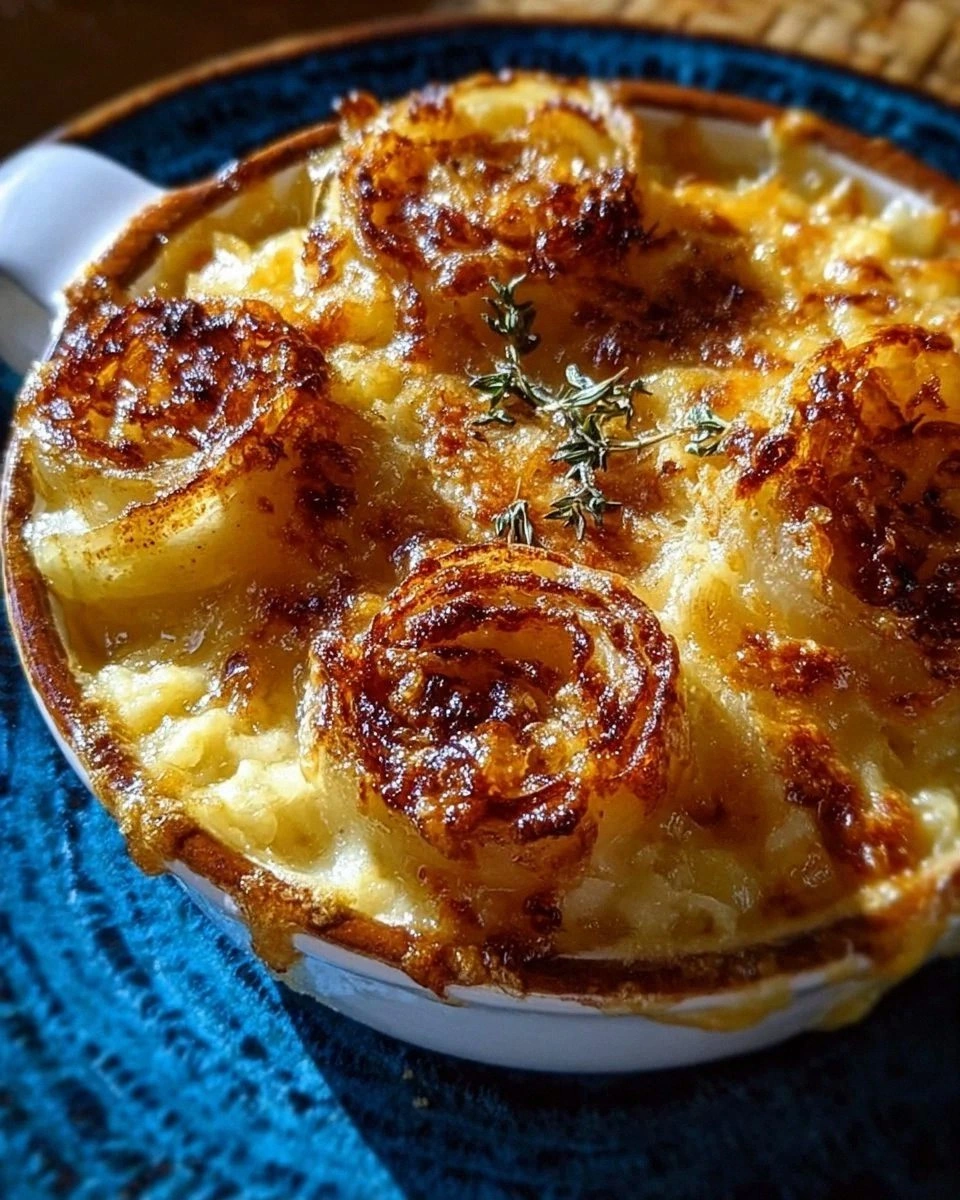
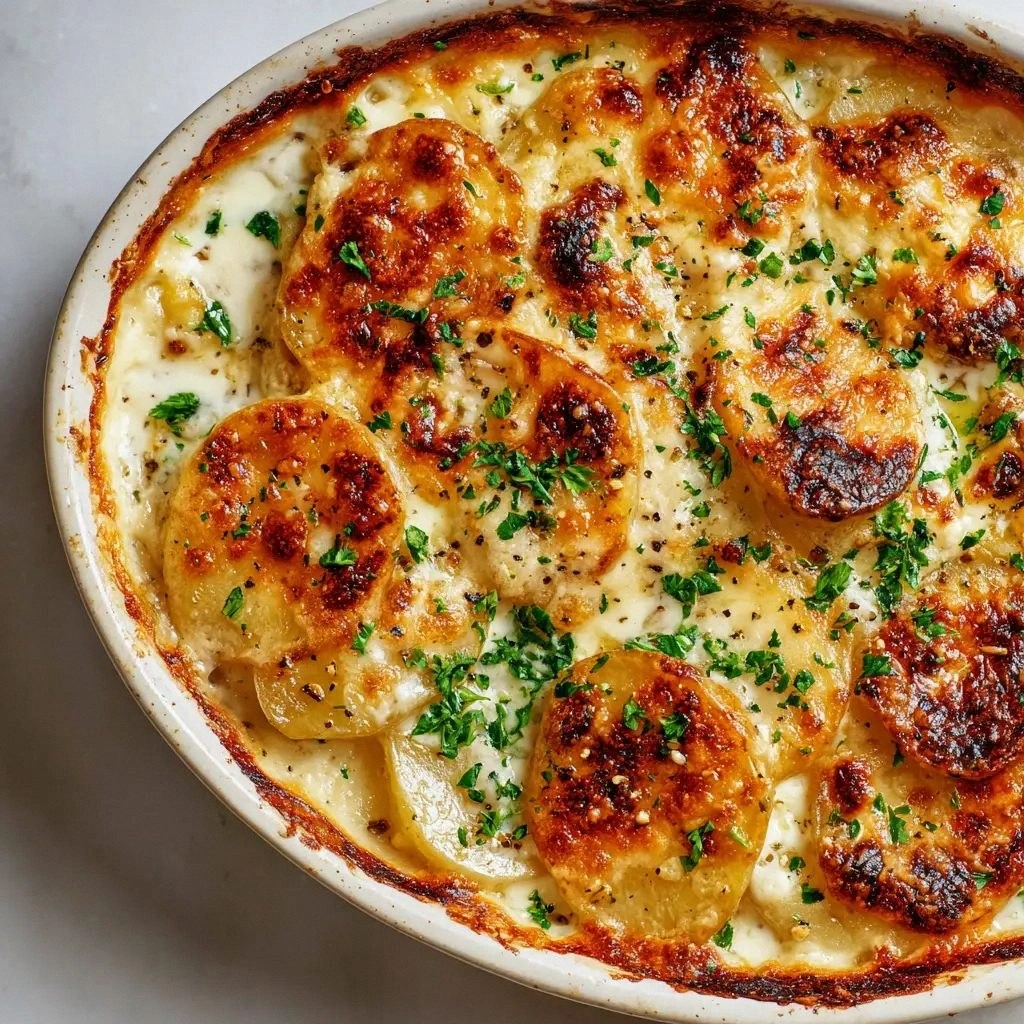
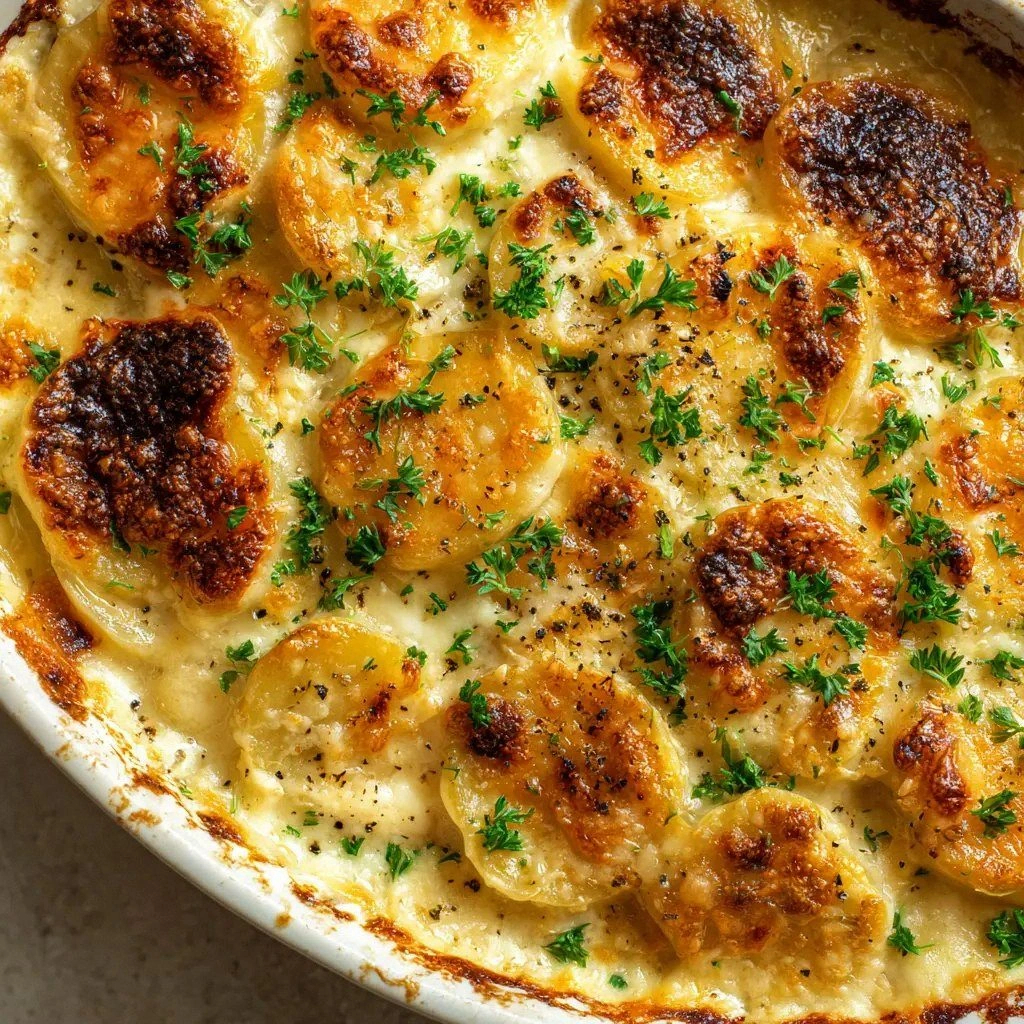
Picture this: thinly sliced potatoes, each layer a pale canvas awaiting a rich, golden glaze. The sauce, a silky blend of milk and heavy cream, thickens like velvet when it meets the flour roux, and the sharp cheddar and Gruyère melt into a bubbly, golden crust that shatters like thin ice when you lift a fork. The garlic infuses the dish with a subtle heat that lingers on the palate, while a pinch of nutmeg adds a whisper of warmth that feels like a secret handshake between flavors. The final touch? A sprinkle of fresh parsley that adds a pop of color and a hint of earthiness that balances the richness. I dare you to taste this and not go back for seconds.
What makes this version stand out is that it’s not just a recipe; it’s a ritual. I’ve spent countless evenings tweaking ratios, experimenting with cheese blends, and discovering that the secret to a perfectly crisp top is in the balance between cream and the right amount of flour. The result is a dish that feels both comforting and celebratory, like a warm blanket on a crisp night but with a buttery, cheesy edge that makes every bite feel like a mini victory. Most recipes get this completely wrong, either over‑saturating the potatoes or leaving the sauce too thin, but this one hits the sweet spot every single time. And trust me, when the oven timer rings and the golden crust is bubbling, the whole kitchen smells incredible, and you’ll want to announce the victory to anyone within a ten‑foot radius.
If you’ve ever struggled with scalloped potatoes that turn out soggy or under‑seasoned, you’re not alone—and I’ve got the fix. I’ve poured my heart into refining this dish so that every step is foolproof, even for a novice cook. The technique involves a simple but crucial step: letting the sauce thicken before adding the potatoes, ensuring each slice is coated in a silky blanket that will caramelize beautifully. And because I’m a firm believer that the best dishes come from a place of joy, I’ve sprinkled in a few playful twists that keep the experience fresh every time you cook it. Let me walk you through every single step — by the end, you’ll wonder how you ever made it any other way.
What Makes This Version Stand Out
- Richness: The combination of whole milk and heavy cream creates a sauce that is both velvety and luxuriously indulgent, unlike the thin, watery sauces you find in many store‑bought versions.
- Cheese Harmony: Gruyère lends a nutty depth while sharp cheddar delivers that classic sharpness, producing a melt that is both smooth and slightly crunchy on top.
- Texture Mastery: Thin, even slices of potato guarantee that each bite is tender inside and lightly crisp around the edges, a balance that most recipes miss.
- Flavor Layering: Garlic, nutmeg, and a dash of pepper work in concert to create depth, while fresh parsley adds a bright finish that lifts the dish.
- Time Efficiency: With a prep time of just 15 minutes, you can have a gourmet dish on the table in under an hour, making it perfect for weeknight dinners.
- Make‑Ahead Friendly: This dish can be assembled ahead of time and baked later, making it a convenient choice for busy families or dinner parties.
- Audience Appeal: The creamy, cheesy profile is universally loved, but the subtle nutmeg and garlic give it a sophisticated edge that impresses even the most discerning palates.
Alright, let’s break down exactly what goes into this masterpiece…
Inside the Ingredient List
The Flavor Base
The 1/4 cup of unsalted butter is the foundation of this dish; it’s the first element that creates that buttery aroma when it sizzles in the pan. Butter’s high fat content gives the sauce a silky texture that coats the potatoes like velvet. If you skip the butter, the sauce will feel thin and the potatoes will taste flat. For a lighter version, you can replace half the butter with olive oil, but the classic flavor will be slightly altered.
The 3 cloves of fresh garlic are minced finely so they melt into the sauce without overwhelming the dish. Garlic provides a warm, savory undertone that balances the richness of the cheese. If you’re a garlic lover, you can add a fourth clove or sauté the garlic first until golden for an extra depth. If you’re sensitive to garlic, you can use garlic powder sparingly, but the fresh flavor is irreplaceable.
The Texture Crew
The 3 lbs of potatoes are the star. Yukon Golds are ideal because of their buttery flavor and firm texture, but russet potatoes also work if you prefer a fluffier interior. Slice them thinly to ensure each layer cooks evenly and the sauce can seep into the gaps. A common mistake is slicing too thick, which leads to undercooked centers; a mandoline is your best friend here.
The 1/4 cup of all‑purpose flour is used to thicken the sauce. When combined with the butter, it creates a roux that locks the liquid in place, preventing a runny bottom. If you’re gluten‑free, you can substitute a gluten‑free flour blend, but the texture may change slightly. Remember, the flour must be cooked with the butter for at least a minute to eliminate that raw taste.
The Unexpected Star
Nutmeg isn’t a typical scalloped potato ingredient, but a half teaspoon of ground nutmeg adds a warm, aromatic note that elevates the dish from ordinary to extraordinary. The spice’s subtle sweetness complements the richness of the cream and the sharpness of the cheddar. If you’re cautious about nutmeg, start with a quarter teaspoon and adjust to taste. Some people love nutmeg so much they add a pinch of cinnamon for an extra layer of warmth.
The 1.5 teaspoons of kosher salt is the seasoning that ties everything together. Salt brings out the flavors of the cheese and the potatoes and balances the creaminess. Too little salt can leave the dish bland, while too much can overpower the delicate flavors. A good rule of thumb is to season the sauce first, then taste the assembled dish before baking.
The Final Flourish
Gruyère and sharp white cheddar are the dual cheeses that create a golden, bubbly crust. The Gruyère melts smoothly and adds a nutty depth, while the cheddar provides that classic sharp bite that is comforting and familiar. A 2:1 ratio of Gruyère to cheddar works well, but feel free to experiment with different cheeses like fontina or mozzarella for a milder version.
Fresh green parsley is the finishing touch that adds a pop of color and a slight herbal brightness that cuts through the richness. Chop it finely and sprinkle it over the top just before serving. If you’re not a fan of parsley, chives or basil can be used as alternatives. The fresh herb keeps the dish from feeling too heavy.
Everything’s prepped? Good. Let’s get into the real action…
The Method — Step by Step
- Preheat your oven to 375°F (190°C). While the oven is heating, peel the potatoes and slice them into 1/8‑inch rounds using a mandoline. The even thickness ensures that the sauce can penetrate each slice and that the top will crisp evenly. If you’re short on time, a sharp knife will do, but the mandoline gives a professional look.
- In a medium saucepan, melt the 1/4 cup of butter over medium heat until it foams. Add the minced garlic and sauté for 30 seconds until fragrant, but not browned. Stir in the 1/4 cup of flour to create a roux; cook for about a minute, whisking constantly to eliminate the raw flour taste. The roux should be a pale golden color.
- Slowly pour in the 2 cups of whole milk while whisking vigorously to keep the sauce smooth. After the milk has incorporated, add the 1 cup of heavy cream and continue whisking until the mixture begins to thicken. This should take about 3–4 minutes. The sauce should be thick enough to coat the back of a spoon.
- Season the sauce with 1/2 teaspoon of ground nutmeg, 1.5 teaspoons of kosher salt, and 1 teaspoon of coarse black pepper. Taste the sauce; if it feels too thin, add a splash more cream or a touch more flour. If it’s too thick, thin it with a little more milk. This is the moment of truth—your sauce should be rich and velvety.
- Reduce the heat to low and gently fold in 2 cups of grated Gruyère and 1.5 cups of sharp white cheddar. Stir until the cheeses are completely melted and the sauce is smooth. The cheese should coat the back of a spoon without clumping.
- Grease a 9‑inch square baking dish with a little butter or oil. Spread a thin layer of the cheese sauce on the bottom to prevent sticking. Arrange half of the potato slices in an even layer, slightly overlapping. Pour half of the remaining sauce over the potatoes, ensuring each slice is coated. Repeat with the remaining potatoes and sauce.
- Cover the dish with aluminum foil and bake for 25 minutes. After 25 minutes, remove the foil and bake for an additional 10–12 minutes, or until the top is golden brown and bubbling. The edges of the potatoes should start pulling away slightly, indicating a crisp finish.
- Remove from the oven and let it rest for 5 minutes. This resting period allows the sauce to set, making it easier to slice. Sprinkle fresh parsley over the top for a burst of color and freshness. Serve hot, and watch as the first forkful melts into a creamy, cheesy delight.
That’s it — you did it. But hold on, I've got a few more tricks that'll take this to another level…
Insider Tricks for Flawless Results
The Temperature Rule Nobody Follows
Many cooks bake scalloped potatoes at 400°F, but that high heat can burn the top while leaving the interior undercooked. Baking at 375°F gives a gentle, even heat that allows the sauce to set and the potatoes to cook through. If you’re using a convection oven, reduce the temperature by 25°F to avoid over‑browning. I’ve seen families complain about a burnt crust, so keep the heat moderate and let the flavors marry.
Why Your Nose Knows Best
As the dish bakes, you’ll notice a rich, buttery aroma that signals the sauce is thickening perfectly. Trust that scent; it’s the cue that the cheese has melted into a silky coating. If the smell is faint, the sauce may still be too thin, so consider adding a bit more cream or letting it simmer longer. A strong aroma means the dish is on track.
The 5‑Minute Rest That Changes Everything
Letting the casserole rest for five minutes after removing it from the oven allows the sauce to set, preventing a runny mess when you cut into it. During this brief pause, the heat continues to distribute evenly, and the top crispens just enough to maintain that coveted crunch. Many people skip this step, only to find the sauce spills out like a waterfall.
Cheese Layering Secrets
Layering the cheeses in the sauce before adding the potatoes creates a richer flavor profile. The Gruyère melts first and forms a smooth base, while the cheddar adds a sharp finish. If you prefer a milder taste, replace the cheddar with mozzarella for a gooey, less acidic result. Mixing cheeses gives depth that a single cheese cannot achieve.
The Garlic Trick
Sautéing the garlic until it’s just fragrant, not browned, preserves its subtle sweetness. Browned garlic can become bitter and dominate the dish. If you’re short on time, you can use pre‑minced garlic, but sauté it briefly to release its oils. This small step ensures the garlic remains a supportive backdrop rather than a headline.
The Final Touch of Freshness
Adding parsley at the very end brightens the dish and balances the richness. Fresh herbs also add a pop of color that makes the dish visually appealing. If you’re in a pinch, a sprinkle of chopped chives works as a substitute. The key is to add the herb after baking, so it stays vibrant.
Creative Twists and Variations
This recipe is a playground. Here are some of my favorite ways to switch things up:
Spinach & Mushroom Edition
Sauté sliced mushrooms and fresh spinach until wilted, then fold them into the sauce before layering the potatoes. The earthy mushrooms pair beautifully with the nutty Gruyère, while the spinach adds a subtle green note. This variation is perfect for vegetarians who want a heartier dish.
Herbed Chicken Scalloped
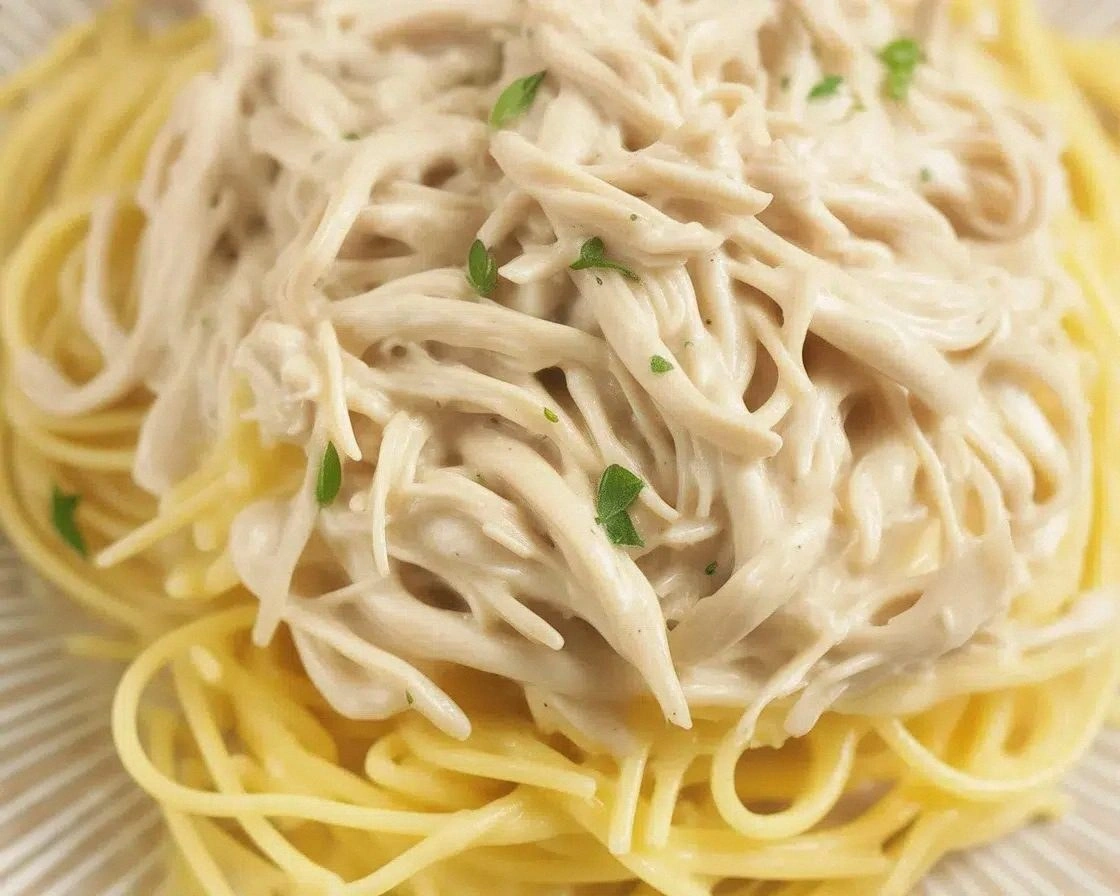
Add cooked, shredded chicken to the sauce before layering. A splash of lemon juice and a pinch of thyme elevate the dish, turning it into a main course that feels both comforting and sophisticated. The chicken’s protein makes the dish filling without compromising the creamy texture.
Vegan Creamy Delight
Replace the butter with coconut oil, use oat milk and cashew cream instead of dairy, and substitute nutritional yeast for cheese. The result is a silky, dairy‑free version that still delivers that cheesy, comforting bite. This is ideal for guests who are lactose intolerant or vegan.
Smoky Chipotle Twist
Add a teaspoon of chipotle in adobo sauce to the sauce for a subtle smoky heat that contrasts the sweet nutmeg. The chipotle’s mild heat adds a modern, adventurous edge. This version is great for those who enjoy a bit of spice without overwhelming the dish.
Breakfast Bonanza
Serve the scalloped potatoes alongside a sunny‑side‑up egg and a side of bacon for a brunch that feels indulgent yet balanced. The savory bacon fat mingles with the creamy sauce, creating a harmonious flavor profile. It’s a breakfast that feels like a cheat meal.
Storing and Bringing It Back to Life
Fridge Storage
Cool the casserole completely before covering it tightly with plastic wrap or an airtight container. Store in the fridge for up to 3 days. When reheating, place it in a preheated oven at 350°F for 15–20 minutes, or until heated through. The cheese will remain creamy, and the potatoes will stay tender.
Freezer Friendly
If you want to freeze leftovers, wrap the casserole tightly in foil and then place it in a freezer bag. It can be stored for up to 3 months. Thaw overnight in the fridge, then reheat as described above. Adding a splash of milk before reheating can help restore the sauce’s silky texture.
Best Reheating Method
The key to reheating is to keep the sauce from drying out. Add a tablespoon of milk or cream before placing the casserole in the oven. Cover it with foil to trap moisture, and reheat at 350°F for 10–15 minutes. The result is a dish that tastes almost as fresh as when it was first baked.