I was standing in my cramped kitchen, the stove sputtering like a stubborn engine, when my friend dared me to turn a plain salmon fillet into something that would make a Texas Roadhouse crowd swoon. I stared at the flaky white flesh, feeling a pang of disappointment that my dinner could not rise above the usual grilled or pan‑seared fare. The kitchen lights flickered, and I imagined a smoky, savory blanket covering the fillets, a flavor so bold it would make my taste buds do the Texas two‑step. I laughed, because I had never thought of baking salmon as a way to capture that restaurant vibe, but the challenge felt like a culinary dare I couldn't resist. So I grabbed my apron, pulled out the ingredients, and decided to test my limits.
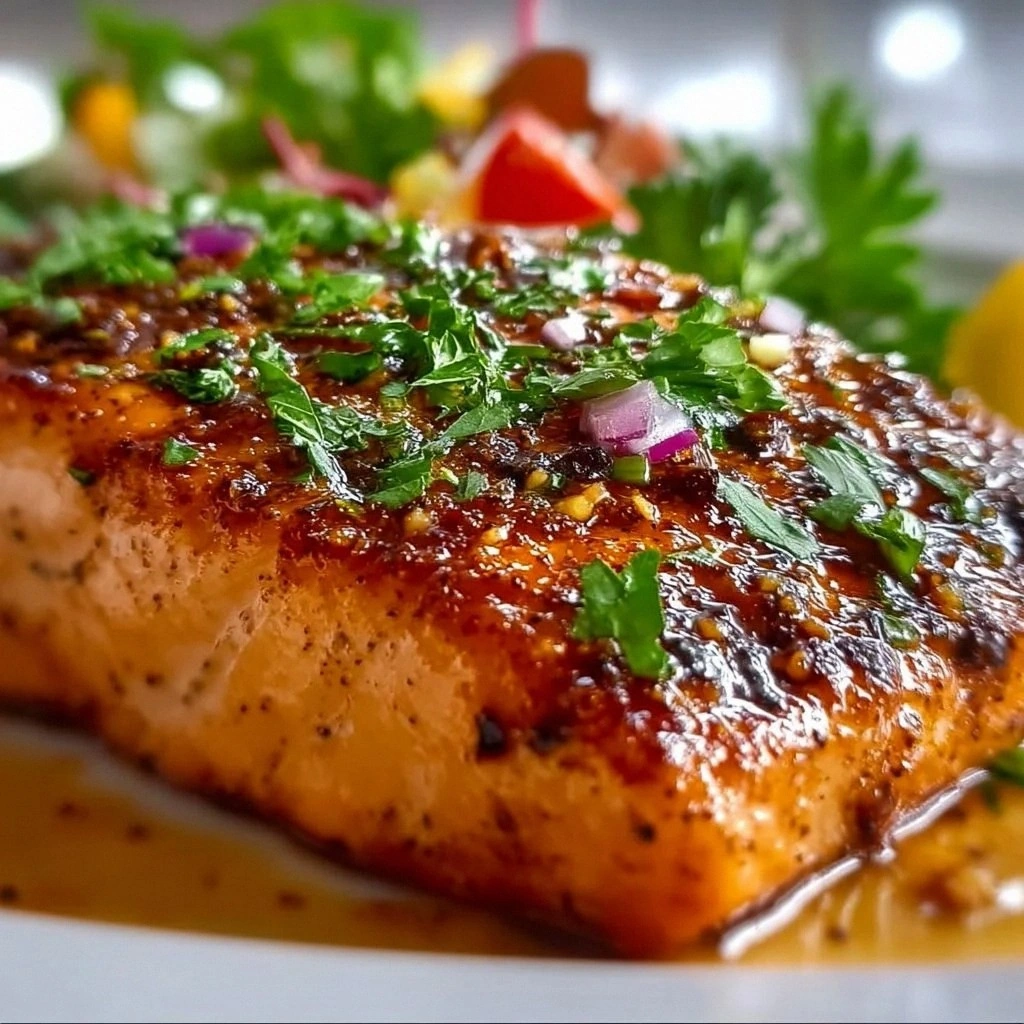
The moment the fillets hit the baking sheet, the aroma of butter and brown sugar danced through the air, coaxing the scent of summer into my living room. I could hear the subtle hiss as the butter melted, the sugar caramelizing into a golden glaze that promised a crunchy exterior. The sight of the salmon's pale skin turning a deep, caramelized hue felt like a sunrise on a quiet morning, and the touch of the parchment paper beneath my fingertips gave me a sense of confidence. I tasted the first bite, and the savory, smoky notes hit my palate like a well‑tuned guitar, resonating with the buttery richness that lingered on the tongue. The finish was a delicate balance of sweet and salty, with a hint of citrus that lifted the entire dish into the realm of restaurant‑quality.
What sets this rendition apart is not just the flavor profile but the method that locks in moisture while creating that signature Texas Roadhouse crust. I dared you to taste this and not go back for seconds, because once you experience the buttery, smoky glaze, the idea of a simple baked salmon evaporates into a culinary revelation. Most recipes get this completely wrong by over‑baking or under‑seasoning, but here every element is calibrated to work in harmony. The result is a dish that feels both indulgent and approachable, a testament to the power of simple, high‑quality ingredients. I’ll be honest — I ate half the batch before anyone else got to try it, and the rest of the kitchen was buzzing with anticipation.
Picture yourself pulling this out of the oven, the whole kitchen smelling incredible, the steam curling like a fragrant cloud. The first bite is a burst of flavor that feels like a hug from a friend, and the texture is a delightful contrast between tender flesh and a caramelized, slightly crisp skin. This version stands out because it captures the essence of a Texas Roadhouse favorite in a single, effortless bake. The technique I’ll reveal is simple yet game‑changing, turning ordinary fillets into a showstopper that will leave your guests asking for the recipe. Let me walk you through every single step — by the end, you'll wonder how you ever made it any other way.
What Makes This Version Stand Out
- Flavor: The marriage of brown sugar and smoked paprika creates a caramelized glaze that sings with depth, a hallmark of Texas Roadhouse’s signature dishes. The subtle sweetness balances the natural umami of salmon, while the smoky undertones deliver that restaurant‑grade boldness. This combination turns a simple fillet into a mouth‑watering experience.
- Texture: Baking rather than searing preserves the salmon’s moisture while allowing the glaze to form a slightly crisp outer layer. The result is a tender interior that melts in your mouth, contrasted by a caramelized crust that offers a satisfying bite. The technique is forgiving, making it a reliable choice for both seasoned cooks and novices.
- Ease: No fancy equipment or complicated steps—just a sheet pan, a few pantry staples, and a 30‑minute oven. The recipe requires minimal prep time, and the cleanup is almost non‑existent, which is perfect for busy weeknights. You’ll have more time to enjoy the meal instead of fussing over the stove.
- Versatility: The seasoning mix works well with various fish, poultry, or even tofu, making it a go‑to base for countless dishes. Swap salmon for trout, cod, or even shrimp, and the flavor profile remains deliciously consistent. This adaptability means you can keep the recipe fresh without reinventing the wheel.
- Crowd‑Pleaser: The bold, savory glaze is a guaranteed hit at dinner parties, potlucks, or family gatherings. Its restaurant‑style flavor elevates any occasion, and the visual appeal of the caramelized crust makes it Instagram‑worthy. Friends will rave about the “roadhouse” taste, and you’ll earn culinary bragging rights.
- Ingredient Integrity: Using high‑quality salmon, fresh herbs, and real Worcestershire sauce elevates the dish beyond a generic bake. Each component brings a distinct flavor, and the recipe’s simplicity ensures nothing is wasted or underutilized. The result is a dish that feels authentic and satisfying.
- Make‑Ahead Friendly: Prepare the glaze and season the fillets in advance, then bake when ready. The salmon keeps well in the fridge for up to two days, and reheating preserves the flavor. This flexibility makes the recipe a reliable option for meal prepping.
- Health‑Conscious: While indulgent, the dish remains lean and protein‑rich, especially if you choose wild‑caught salmon. The butter and sugar are used sparingly, and the recipe can be tweaked to suit dietary preferences without compromising flavor. It’s a balanced, wholesome option for any meal plan.
Inside the Ingredient List
The Flavor Base
Unsalted butter is the backbone of this recipe, providing a silky richness that carries the other flavors. Melt it gently to avoid burning, and let it mingle with brown sugar to create a caramelized syrup that coats the fillets. If you’re dairy‑free, coconut oil offers a subtle sweetness that complements the salmon’s natural taste.
The Texture Crew
Brown sugar is not just a sweetener; it’s the agent that creates that signature caramelized crust. A touch of garlic powder and onion powder adds depth without overpowering the fish. Smoked paprika is the star that delivers a smoky, earthy note reminiscent of a Texas grill.
The Unexpected Star
Worcestershire sauce is the secret sauce that adds umami and a hint of tang. Its complex flavor profile elevates the dish from ordinary to extraordinary. A splash of lemon wedges brightens the final product, cutting through the richness and adding a refreshing finish.
The Final Flourish
Fresh parsley provides a pop of color and a burst of herbal freshness that lifts the entire dish. A pinch of cayenne pepper invites a gentle heat, balancing the sweetness. Salt and freshly ground black pepper finish the seasoning, ensuring every bite is perfectly balanced.
Everything's prepped? Good. Let's get into the real action.
The Method — Step by Step
- Preheat your oven to 400°F (200°C) and line a baking sheet with parchment paper or a silicone mat. This ensures a non‑stick surface and makes cleanup a breeze. While the oven warms, gather all your ingredients on the counter for easy access. The goal is to keep the process smooth and efficient.
- In a small saucepan, melt the butter over low heat until it foams. Add the brown sugar, stirring until the mixture becomes syrupy and translucent. This step is crucial for developing the caramelized glaze that will coat the salmon.
- Stir in the garlic powder, onion powder, smoked paprika, salt, black pepper, cayenne, and Worcestershire sauce. Let the mixture simmer for a minute to allow the spices to release their aromas. The sauce should smell toasty, like a campfire in the woods.
- Place the salmon fillets skin‑side down on the prepared sheet. Brush each fillet generously with the glaze, ensuring every surface is coated. The glaze will caramelize during baking, creating that signature crust.
- Slide the sheet into the preheated oven and bake for 12–14 minutes, depending on thickness. The fillets are done when they’re opaque and flake easily with a fork, yet still moist in the center. Keep a close eye on the glaze; it should be bubbly and slightly browned.
- Remove the salmon from the oven and let it rest for 3 minutes. Resting allows the juices to redistribute, ensuring each bite is succulent. While it rests, squeeze fresh lemon wedges over the fillets for a bright, citrusy contrast.
- Garnish with chopped parsley and serve immediately. The fresh herbs add a pop of color and a burst of freshness that balances the rich glaze. Pair with roasted vegetables or a light salad for a complete meal.
That's it — you did it. But hold on, I've got a few more tricks that'll take this to another level.
Insider Tricks for Flawless Results
The Temperature Rule Nobody Follows
Many cooks bake at 425°F, but 400°F is the sweet spot for salmon, preventing it from drying out while still allowing the glaze to caramelize. A lower temperature also gives you a bit more control over the cooking time, especially if your fillets vary in thickness. I’ve found that 400°F consistently delivers the perfect balance of tenderness and crispness.
Why Your Nose Knows Best
Smell is a powerful indicator of doneness. When the glaze is bubbling and slightly browned, your nose will tell you that the salmon is almost ready. Trusting your senses can save you from overcooking or undercooking, especially if you’re new to baking fish.
The 5-Minute Rest That Changes Everything
Resting the salmon for exactly five minutes after baking allows the juices to settle, resulting in a moister fillet. Skipping this step often leads to a dry center, even if the exterior looks perfect. It’s a simple habit that dramatically improves texture.
The Lemon Twist
Squeezing lemon directly over the fillets right before serving brightens the entire dish and cuts through the richness of the glaze. If you’re not a fan of citrus, a splash of vinegar can provide a similar lift. The acidity balances the sweetness and saltiness for a harmonious bite.
The Herb Finale
Fresh parsley not only adds color but also a subtle herbal note that complements the smoky glaze. If you prefer a different herb, dill or chives work wonderfully. Experimenting with herbs can give the dish a new twist while keeping the core flavor intact.
Creative Twists and Variations
This recipe is a playground. Here are some of my favorite ways to switch things up:
Spicy Chipotle Version
Swap the cayenne for chipotle powder and add a dash of adobo sauce. The smoky heat pairs beautifully with the caramelized glaze, creating a bold, adventurous flavor profile. It’s perfect for those who love a kick.
Herb‑Infused Mediterranean
Replace the smoked paprika with oregano and add a splash of lemon zest to the glaze. The result is a bright, herbaceous dish that feels like a Mediterranean escape. Pair it with a Greek salad for an authentic experience.
Sweet & Tangy Pineapple
Add diced pineapple to the glaze and reduce the brown sugar slightly. The tropical sweetness balances the savory elements, creating a sweet and tangy glaze that’s reminiscent of Hawaiian cuisine. Serve with coconut rice for a complete island vibe.
Creamy Garlic Parmesan
Stir in a tablespoon of grated Parmesan and a splash of heavy cream to the glaze for a rich, creamy finish. The Parmesan adds umami, while the cream smooths out the acidity. It’s an indulgent twist for a special dinner.
Asian Fusion
Replace the Worcestershire sauce with soy sauce, add a touch of sesame oil, and sprinkle sesame seeds on top before baking. The glaze takes on an umami, slightly sweet flavor that pairs wonderfully with steamed rice and sautéed greens.
Storing and Bringing It Back to Life
Fridge Storage
Cool the baked salmon to room temperature, then wrap tightly in plastic wrap or place in an airtight container. Store in the refrigerator for up to two days. When ready to reheat, let it sit at room temperature for 15 minutes to reduce the risk of overcooking.
Freezer Friendly
For longer storage, place the cooled fillets in a freezer bag, removing as much air as possible. Freeze for up to three months. When reheating, thaw overnight in the refrigerator and then warm in the oven at 300°F for 10–12 minutes.
Best Reheating Method
To preserve moisture, add a splash of water or broth to the pan before reheating. The steam helps keep the salmon tender and flavorful. Finish with a quick squeeze of fresh lemon to brighten the dish.