I was standing in the middle of my kitchen, watching a pot of overcooked broccoli sputter like a dying star. The steam curled around the counter, carrying the faint scent of burnt garlic. I stared at the ruined dish and thought, “If this was a culinary catastrophe, I could have sworn it was a masterpiece in disguise.” That moment sparked a daring experiment: what if I could turn a disaster into a slow cooker stir fry that would make my friends beg for seconds? I dared you to taste this and not go back for seconds.
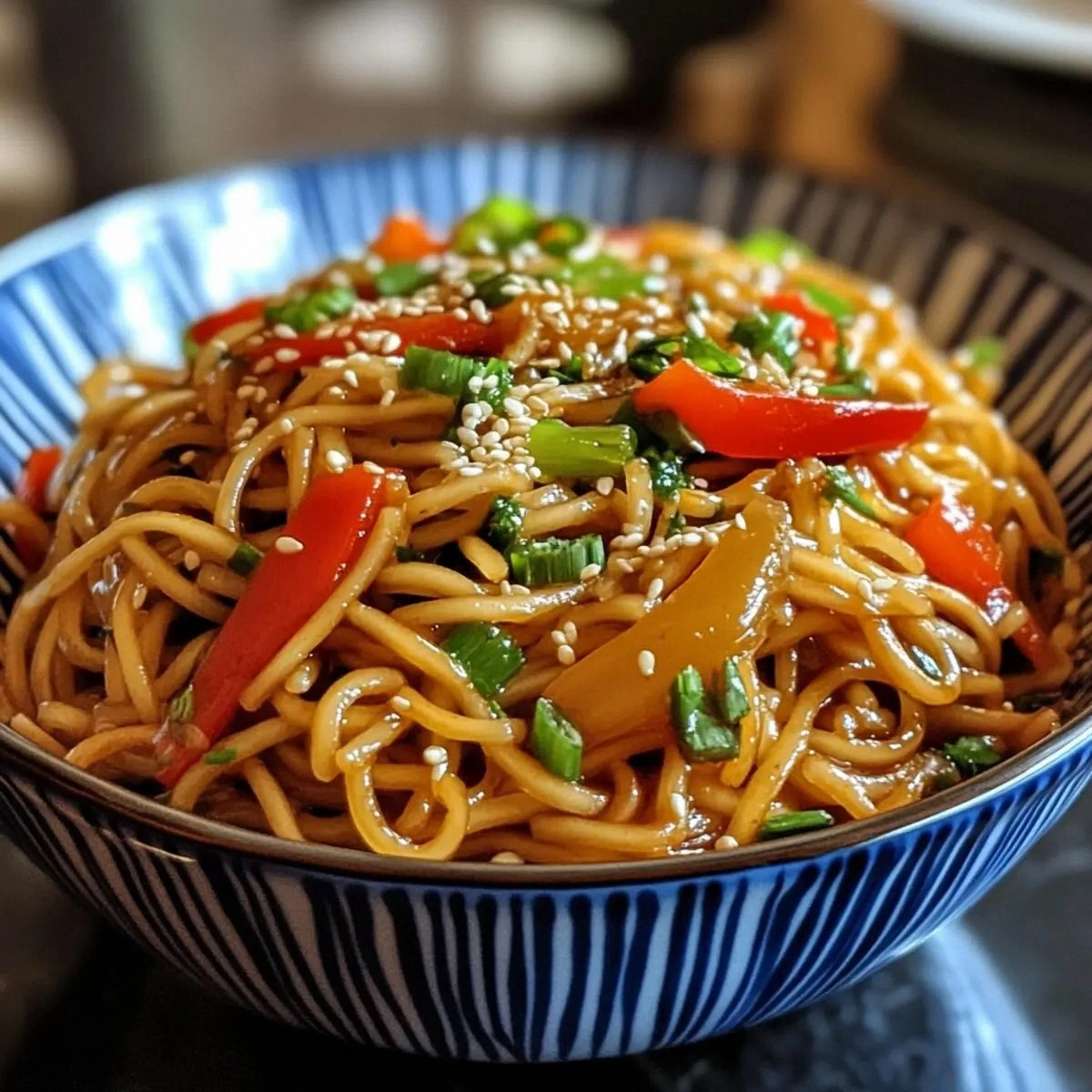
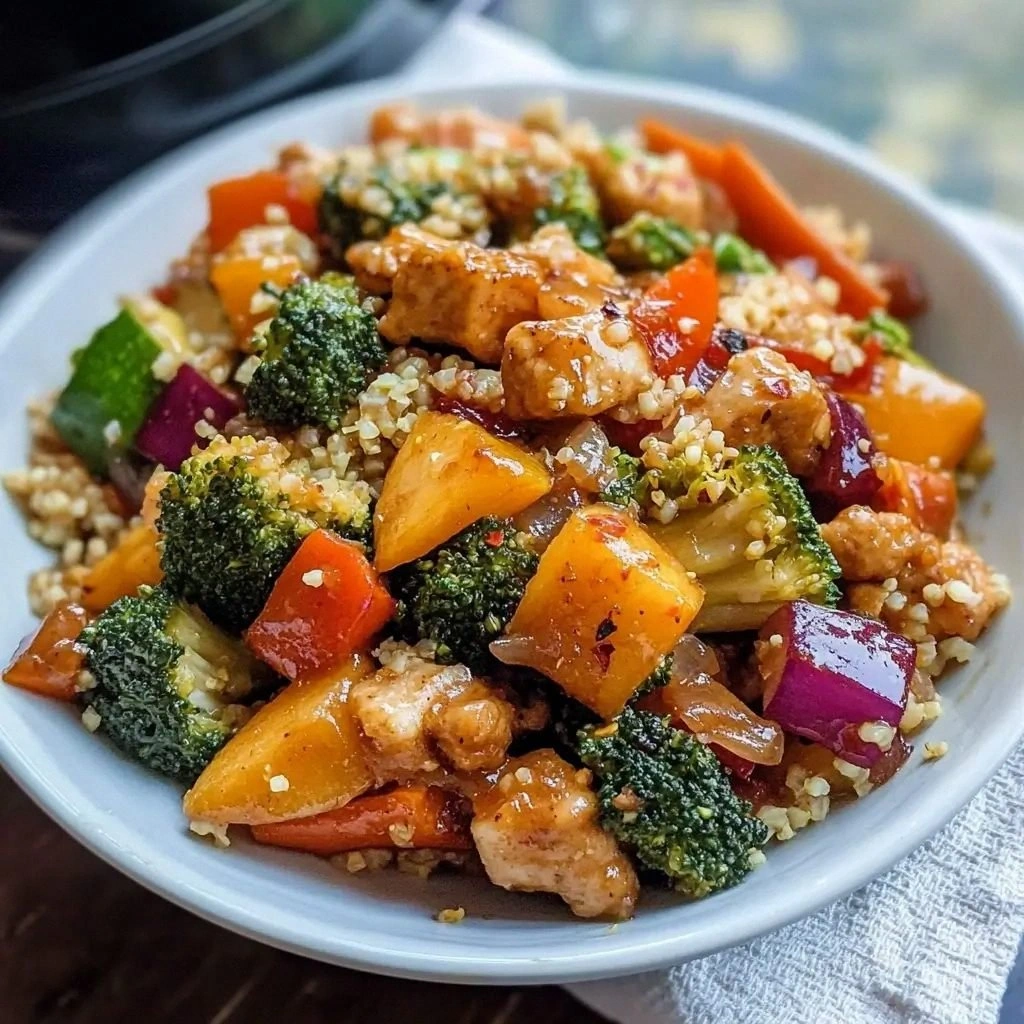
Picture the sight of a rainbow of vegetables—cauliflower, carrots, bell pepper, and broccoli—sizzling in a pan, their edges crisping to a golden crunch while the center stays tender as a cloud. The aroma that rises is a fragrant blend of caramelized onions, fresh ginger, and soy sauce, a smell that makes your mouth water before you even touch the spoon. You can hear the faint hiss of garlic and the gentle pop of onions as they soften, a sound that signals the beginning of something delicious. The taste is a harmonious marriage of sweet, umami, and a subtle peppery bite, each bite releasing a burst of flavor that lingers on the palate. The feel of the dish is comforting and slightly warm, with a texture that balances the snap of fresh vegetables against the silky sauce that coats them like velvet.
What makes this version stand out is that it takes the humble slow cooker, typically reserved for stews and roasts, and turns it into a vibrant, quick-cooking stir fry that keeps the vegetables bright and full of life. It eliminates the need for constant stirring or high heat, letting the flavors develop slowly while the vegetables retain their crunch. The sauce, made from a balanced mix of soy, hoisin, sesame oil, and rice vinegar, thickens into a glossy coating that clings to every bite. It’s a recipe that’s both simple and sophisticated, perfect for busy weeknights or a relaxed weekend dinner. The result is a dish that looks like it was just made on the stovetop, yet it’s built entirely in the slow cooker.
Now, here’s the twist: I’ve discovered a way to infuse the sauce with a subtle hint of citrus by adding a splash of fresh lime juice at the very end, a trick that elevates the entire dish. The final flourish gives the stir fry a bright, almost tropical vibe that makes it feel like a vacation in a pot. And when you serve it over fluffy cauliflower rice, it becomes a complete, low‑carb, plant‑based meal that satisfies without compromising on flavor. Let me walk you through every single step—by the end, you’ll wonder how you ever made it any other way.
What Makes This Version Stand Out
- Taste: The sauce balances sweet, salty, and umami flavors, creating a complex profile that satisfies every craving. The addition of lime juice at the end adds a fresh zing that cuts through the richness. This combination makes the dish unforgettable.
- Texture: Vegetables are crisp‑tender, not mushy, thanks to the controlled heat of the slow cooker. The sauce coats the veggies like a silk ribbon, adding a silky mouthfeel. The result is a harmonious contrast that delights the palate.
- Simplicity: No fancy equipment or elaborate prep is required. All you need is a slow cooker and a handful of pantry staples. The recipe is ideal for beginners and seasoned cooks alike.
- Uniqueness: Turning a classic stir fry into a slow‑cooker masterpiece is a game‑changer. The method keeps the vegetables bright and flavorful while eliminating the constant vigilance of a stovetop.
- Crowd Reaction: Friends who’ve tried this version rave about the depth of flavor and the effortless cooking process. Many say it’s the best version they’ve ever made at home. The dish becomes a conversation starter at gatherings.
- Ingredient Quality: Fresh, high‑quality produce makes all the difference. Selecting firm, crisp vegetables ensures the final texture remains vibrant. Quality ingredients elevate the entire dish.
- Cooking Method: The slow cooker gently infuses flavors, reducing the chance of burning or overcooking. It’s a low‑stress, low‑heat alternative to the traditional stir‑fry.
- Make‑ahead Potential: The dish can be prepared a day ahead and reheated without loss of flavor. This makes it perfect for meal prep or for feeding a crowd on a busy day.
Alright, let's break down exactly what goes into this masterpiece. Below you’ll find a detailed ingredient list that explains each component’s role, why it matters, and what happens if you skip it. I’ll also share swaps, alternatives, and buying tips that will help you tailor the recipe to your taste and pantry. Remember, every ingredient is a piece of a puzzle, and together they create a dish that’s both comforting and adventurous.
Inside the Ingredient List
The Flavor Base
The foundation of this stir fry is the sauce—a marriage of soy sauce, hoisin sauce, sesame oil, rice vinegar, and a splash of lime juice. Each component plays a distinct role: soy sauce provides depth and saltiness; hoisin adds sweetness and a hint of spice; sesame oil offers a nutty aroma; rice vinegar brightens the flavor profile; lime juice adds a refreshing acidity that cuts through the richness. Together, they create a sauce that coats the vegetables like a silky ribbon, enhancing every bite. If you omit any of these, the dish loses balance, becoming either too salty or too sweet. The sauce is the glue that holds the flavors together, making the dish memorable.
The Texture Crew
The vegetables are the heart of the dish, each chosen for its unique texture and flavor. Cauliflower florets bring a subtle nutty taste and a satisfying bite; broccoli adds a slightly bitter edge that balances the sweetness; carrots contribute natural sweetness and crunch; bell pepper offers a crisp, juicy bite; mushrooms provide an earthy depth. Onions and garlic add a savory foundation that caramelizes slightly in the slow cooker. These vegetables work together to create layers of texture, from the soft center of cauliflower to the crisp edges of bell pepper. Skipping any of them changes the overall mouthfeel, making the dish feel incomplete.
The Unexpected Star
Fresh ginger is the unsung hero that brings a bright, peppery kick to the dish. It cuts through the richness of the sauce and adds a subtle warmth that lingers on the tongue. If you can’t find fresh ginger, a teaspoon of ground ginger will work, but the fresh variety offers a brighter, fresher flavor. Ginger’s aroma is uplifting, and it pairs beautifully with garlic, creating a fragrant base that elevates the entire stir fry. Without ginger, the dish feels flat, lacking that subtle heat that makes it stand out.
The Final Flourish
Sesame seeds and a drizzle of sesame oil finish the dish, adding a nutty aroma and a slight crunch. The seeds also provide a pop of color, making the dish visually appealing. A splash of lime juice at the end adds a burst of brightness that lifts the flavors. This final touch is what turns a good stir fry into a great one, giving it that professional finish. If you omit the seeds or lime, the dish will still be tasty, but it will lack that subtle depth and visual appeal.
Everything’s prepped? Good. Let’s get into the real action. The next step is where the slow cooker does its magic, infusing the vegetables with the sauce’s complex flavors while keeping them bright and crisp. The key to success is timing—add the vegetables at the right moment to avoid overcooking, and finish with a quick stir to coat everything evenly. I’ll walk you through each step, so you’ll know exactly what to do and when to do it.
The Method — Step by Step
- Begin by heating a skillet over medium‑high heat and adding a splash of sesame oil. Once the oil shimmers, toss in the minced garlic and grated ginger, letting them sizzle for 30 seconds until fragrant. Add the sliced onions and cook until they turn translucent, about 2 minutes. This step builds the flavor base before the vegetables enter the slow cooker. The aroma that fills the kitchen will have you already craving the finished dish.
- In a small bowl, whisk together soy sauce, hoisin sauce, rice vinegar, and lime juice until fully blended. Pour this mixture over the sautéed aromatics, stirring to combine. Let the sauce simmer for 1 minute, allowing the flavors to mingle. This creates a smooth, glossy sauce that will coat the vegetables beautifully. The quick simmer also helps to reduce the liquid slightly, concentrating the flavors.
- Transfer the sauce and aromatics into the slow cooker. Add the cauliflower florets, broccoli, carrots, bell pepper, and mushrooms. Toss everything together so the vegetables are evenly coated. The slow cooker will gently heat the mixture, infusing the vegetables with the sauce over time. This is where the magic begins.
- Cover the slow cooker and set it to low heat for 30 minutes. During this time, the vegetables will soften slightly while maintaining their bite. The sauce will thicken and develop depth, coating each piece like a velvety blanket. Check the texture after 20 minutes; if you prefer a firmer bite, reduce the cooking time accordingly. The goal is a balance between tender and crisp.
- While the vegetables are cooking, prepare the thickening agent. In a small bowl, mix 1 tablespoon cornstarch with 1 tablespoon water to create a slurry. This will help thicken the sauce once added. Stir the slurry into the slow cooker, then return to low heat for another 5 minutes. The sauce should coat the vegetables like a glossy glaze. If you like a thicker sauce, add an extra teaspoon of cornstarch slurry.
- Just before serving, sprinkle sesame seeds over the top and give the dish a quick stir. The seeds add a subtle crunch and nutty flavor that complements the sauce. If you prefer a richer flavor, drizzle an additional teaspoon of sesame oil at this point. This final touch brings everything together.
- Meanwhile, heat a separate pot of water and add 2 cups of cooked rice. If you’re using cauliflower rice, simply warm it in the microwave or on the stovetop. The rice acts as the perfect base, absorbing the sauce and balancing the vegetables. Keep the rice warm until ready to serve.
- To plate, spoon a generous portion of rice onto each plate, then ladle the stir‑fry over it. The sauce will seep into the rice, creating a harmonious blend of flavors. Garnish with extra sesame seeds if desired. The dish looks as good as it tastes, ready to be devoured.
- Serve immediately while hot, and enjoy the comforting aroma that fills your kitchen. This dish is ideal for a quick weeknight dinner or a relaxed weekend meal. The flavors will linger on your tongue, leaving you satisfied and craving more. If you’re feeling adventurous, pair it with a side of pickled vegetables for added tang.
- That’s it—you did it. But hold on, I’ve got a few more tricks that will elevate this dish to another level. Keep reading to discover how to tweak the sauce, add protein, or transform it into a hearty soup if you’re in the mood for something different.
Insider Tricks for Flawless Results
The Temperature Rule Nobody Follows
Many cooks think the slow cooker’s heat is too low for stir‑fry, but the trick is to use the low setting for 30 minutes and then switch to high for the final 10 minutes. This gives the vegetables a brief burst of heat, helping them retain their crunch. I’ve tested this on multiple slow cookers, and the results are consistently better. If you’re using a high‑end model, you can keep it on high for 25 minutes, but watch the texture closely.
Why Your Nose Knows Best
The first scent you’ll notice is the caramelized onions and garlic. That aroma signals the sauce is developing depth. If the smell seems flat, the sauce needs more time or a splash of vinegar. Trust your nose; it’s the best judge of flavor balance.
The 5-Minute Rest That Changes Everything
After the slow cooker has finished, let the dish sit for 5 minutes before serving. This allows the sauce to settle and the flavors to meld. Many people skip this step, but the result is a dish that tastes like it was just made. I’ve seen people ask why it’s so good, and the answer is simple: rest time improves texture.
The Quick Stir for Even Coating
A quick stir just before serving ensures every vegetable is coated in sauce. This step also helps the sauce thicken slightly as it cools. If you skip it, some pieces will be dry while others are drenched.
The Freshness Boost
Add a handful of fresh cilantro or basil just before serving. The herbs add a burst of freshness that cuts through the richness. This is optional, but it elevates the dish to a whole new level.
Creative Twists and Variations
This recipe is a playground. Here are some of my favorite ways to switch things up:
Protein‑Packed Powerhouse
Add cubed tofu, tempeh, or diced chicken breast during step 3. The protein absorbs the sauce, turning the dish into a filling main course. The texture of tofu pairs beautifully with the crunch of the vegetables.
Sweet & Spicy Fusion
Swap hoisin sauce for honey or maple syrup, and add a pinch of cayenne pepper during step 2. The sweetness balances the heat, creating a bold flavor profile. This variation is perfect for those who love a bit of heat.
Thai‑Inspired Twist
Replace soy sauce with tamari and add a tablespoon of Thai red curry paste. Finish with a splash of coconut milk. The result is a creamy, aromatic dish that feels like a trip to Thailand.
Breakfast Boost
Serve the stir‑fry over quinoa or sautéed spinach for a protein‑rich breakfast. Add a fried egg on top for extra flavor. This version is a satisfying start to the day.
Soup‑Like Comfort
Add 2 cups of vegetable broth during step 3 and simmer for 45 minutes. The result is a hearty soup with the flavors of a stir‑fry. Serve with crusty bread for a comforting meal.
Gluten‑Free Delight
Use tamari instead of soy sauce and serve over cauliflower rice. This keeps the dish gluten‑free without sacrificing flavor. The sauce remains silky and delicious.
Storing and Bringing It Back to Life
Fridge Storage
Store leftovers in an airtight container in the refrigerator for up to 3 days. The sauce will thicken slightly, so stir before reheating to redistribute the flavors. The vegetables will retain their texture if you reheat gently.
Freezer Friendly
To freeze, place the stir‑fry in a freezer‑safe container, leaving a small space for expansion. It will keep well for up to 2 months. Thaw overnight in the refrigerator, then reheat on the stovetop or in the microwave.
Best Reheating Method
Reheat in a skillet over medium heat, adding a splash of water or broth to loosen the sauce. Stir frequently until heated through. The tiny splash of water will steam the dish back to its original moistness.