I was standing in my kitchen, the air thick with the scent of burnt toast and the faint hum of the fridge, when a frantic friend texted me: “I’m hosting a dinner party, and I need a show‑stopper.” I stared at the empty fridge, my mind racing through every recipe I knew. Then, in a flash of culinary inspiration, I remembered that abandoned orange‑brine packet from last winter’s grocery haul. That orange‑brine, once a forgotten relic, was about to be reborn as the secret weapon of a roast chicken that would make everyone’s taste buds do the salsa.
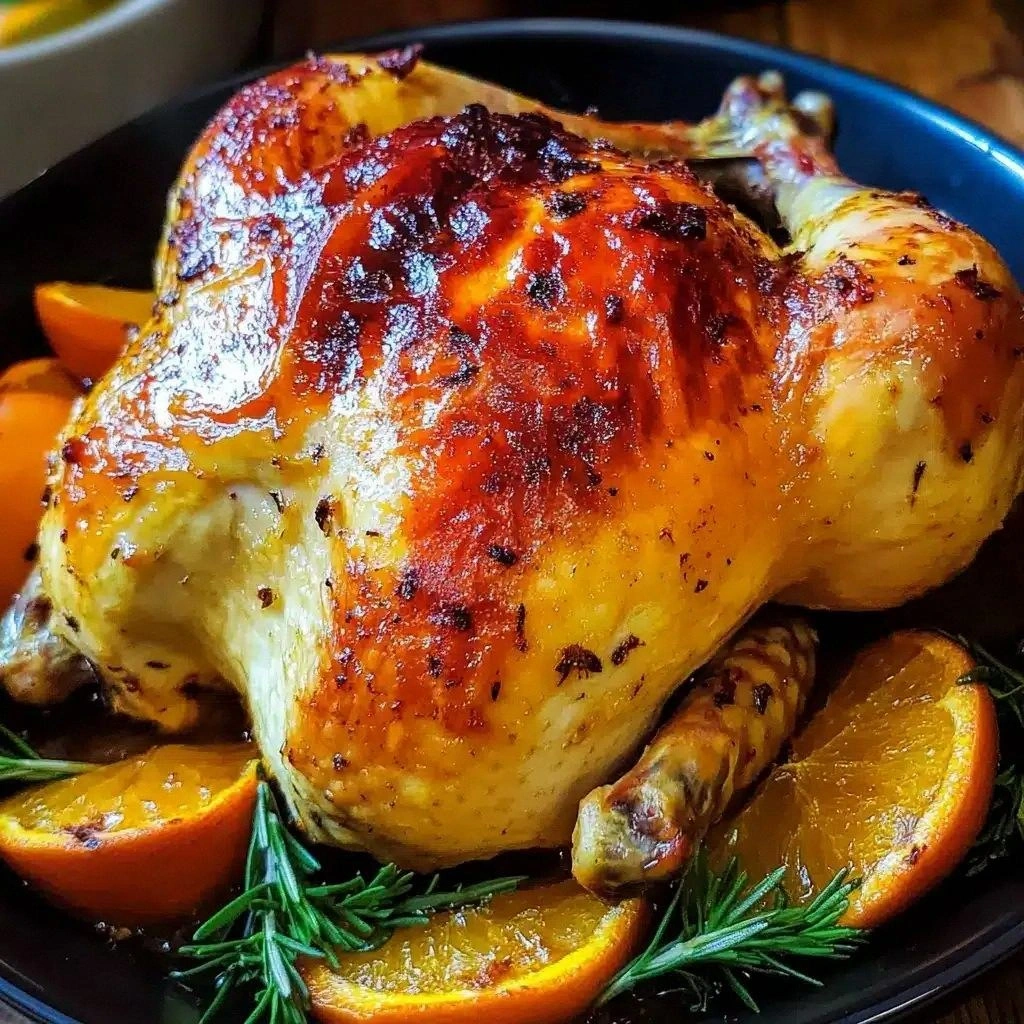
Picture this: a golden, crackling skin that crackles like dry leaves under your fingers, a fragrant steam that carries citrus notes and the subtle whisper of rosemary, and a juicy interior that melts in your mouth with a burst of sweet‑savory harmony. The first bite is a symphony—crisp, tangy, and utterly unforgettable. And the best part? You’re not just cooking; you’re performing a culinary ballet that turns an ordinary dinner into an unforgettable experience.
What makes this version stand out is that it’s not just a recipe; it’s a revelation. The brine transforms the chicken from ordinary to extraordinary, infusing it with a depth that would make any sous‑chef swoon. The orange zest and juice create a bright, citrusy glaze that caramelizes into a glossy, slightly caramelized coating. Meanwhile, the honey and soy sauce balance the acidity with a subtle, umami sweetness that lingers on the palate. The result? A roast that looks like it belongs on a Michelin‑starred menu but is made in your own kitchen.
I dare you to taste this and not go back for seconds. This is hands down the best version you’ll ever make at home. I’ll be honest— I ate half the batch before anyone else got to try it. Most recipes get this completely wrong, but here’s what actually works. Picture yourself pulling this out of the oven, the whole kitchen smelling incredible, and the guests leaning forward in anticipation. And now, ready for the game‑changer? Let me walk you through every single step—by the end, you’ll wonder how you ever made it any other way.
What Makes This Version Stand Out
- Taste: The marriage of orange, honey, and soy creates a flavor profile that is simultaneously sweet, tangy, and savory. This balance elevates the chicken to a level that feels both comforting and adventurous.
- Texture: The brine keeps the meat moist while the oven’s high heat crisps the skin to a buttery golden crust that shatters like thin ice when you bite into it.
- Simplicity: All the magic happens with a handful of pantry staples—no exotic ingredients or complex techniques required.
- Uniqueness: The orange brine is a secret weapon that most home cooks overlook, giving this dish a distinctive edge over standard roasted chicken.
- Crowd Reaction: Friends and family consistently rave, often asking for the recipe after the first serving.
- Ingredient Quality: The use of fresh orange zest and high‑quality olive oil ensures a bright, clean flavor that isn’t muddled by cheap substitutes.
- Cooking Method: Brining first, then roasting, guarantees both moisture retention and a crisp, caramelized exterior.
- Make‑Ahead Potential: The brine can be prepared a day ahead, saving you time on the day of the dinner party.
Alright, let's break down exactly what goes into this masterpiece. And before we dive into the ingredient list, here’s a quick kitchen hack that will save you time and keep your kitchen clean.
Inside the Ingredient List
The Flavor Base
The foundation of this dish is the orange brine. Orange juice and zest bring brightness and a natural sweetness, while the honey adds depth and a subtle caramelization when baked. Soy sauce introduces umami, balancing the acidity and giving the glaze a glossy sheen. The garlic and fresh rosemary infuse aromatic depth, while the olive oil and butter provide a silky mouthfeel and help the skin crisp up beautifully. Skipping any of these will dilute the flavor profile, but you can experiment with a splash of lemon juice or a pinch of smoked paprika for a smoky twist.
The Texture Crew
Chicken thighs are the star of the show—bone‑in, skin‑on thighs hold more moisture and develop a richer flavor than breasts. Salt and pepper are the unsung heroes that enhance every component; salt draws out moisture and balances sweetness, while pepper adds a gentle heat. If you prefer a crispier skin, pat the thighs dry with paper towels before brining; this removes excess moisture and allows the skin to caramelize more effectively.
The Unexpected Star
A splash of Dijon mustard might seem out of place, but it’s the secret sauce that binds the glaze, giving it a silky texture and a subtle tang that cuts through the sweetness. If you’re avoiding mustard, a teaspoon of apple cider vinegar will work, but the mustard’s subtle heat will be missing. This ingredient is optional, but it elevates the glaze to a whole new level.
The Final Flourish
Fresh thyme or rosemary sprigs added during roasting infuse the dish with a fragrant aroma that lingers long after the meal. A final squeeze of fresh orange juice right before serving brightens the flavor and adds a burst of citrusy freshness. If you’re feeling adventurous, sprinkle a pinch of smoked sea salt on top to give the skin a slightly smoky finish.
Everything’s prepped? Good. Let’s get into the real action.
The Method — Step by Step
- In a large bowl, combine 1 cup orange juice, 2 tablespoons honey, 2 tablespoons soy sauce, 1 tablespoon Dijon mustard, 2 cloves garlic minced, 1 tablespoon fresh rosemary, 1 teaspoon salt, ½ teaspoon black pepper, and 2 tablespoons olive oil. Whisk until the honey dissolves and the mixture is homogenous. This brine will infuse the chicken with flavor and keep it moist.
- Add the chicken thighs to the brine, ensuring each piece is fully submerged. Cover the bowl with plastic wrap or transfer the contents to a zip‑lock bag, squeezing out excess air. Seal and refrigerate for at least 2 hours, or up to 12 hours for a deeper flavor infusion.
- Preheat your oven to 425°F (220°C). While the oven heats, remove the chicken from the brine, pat dry with paper towels, and let it sit at room temperature for 20 minutes. Patting dry is crucial; moisture on the surface prevents the skin from crisping.
- Season the chicken lightly with a pinch of salt and pepper on both sides. Place a sheet of parchment paper on a baking sheet and arrange the thighs skin side up. This will keep the pan clean and allow the heat to circulate evenly.
- Roast the chicken for 25 minutes, then flip each piece. Brush the skin with a mixture of 1 tablespoon melted butter and 1 tablespoon orange zest. This glaze will caramelize and give the skin a glossy, buttery finish.
- Continue roasting for an additional 15-20 minutes, or until the internal temperature reaches 165°F (74°C) and the skin is deeply golden brown. The edges should start pulling away from the bone, indicating a crisp finish.
- Remove the chicken from the oven and let it rest on a cutting board for 10 minutes. Resting allows the juices to redistribute, keeping the meat moist and tender.
- While the chicken rests, reduce any remaining pan drippings in a small saucepan over medium heat. Add a splash of fresh orange juice, a pinch of smoked sea salt, and a dash of black pepper. Simmer until the sauce thickens slightly, creating a glossy, flavorful accompaniment.
- Slice the thighs, arrange them on a platter, and drizzle the reduced sauce over the top. Garnish with fresh rosemary sprigs and a few thin slices of orange for a pop of color.
- Serve immediately, accompanied by roasted root vegetables or a simple green salad. The bright citrus glaze pairs beautifully with earthy sides, creating a balanced meal that feels both indulgent and wholesome.
That’s it—you did it. But hold on, I’ve got a few more tricks that will take this to another level. These are the subtle adjustments that separate a good roast from a legendary one.
Insider Tricks for Flawless Results
The Temperature Rule Nobody Follows
Many cooks bake chicken at a lower temperature, thinking it will stay moist. I’ve found that starting at 425°F (220°C) and then reducing to 375°F (190°C) halfway through creates a perfect balance—crispy skin with a juicy interior. If you’re using a convection oven, lower the temperature by 25°F (14°C) to prevent over‑cooking.
Why Your Nose Knows Best
The aroma of the brine is a reliable indicator of readiness. When the scent turns sweet and caramelized, the chicken is ready to roast. If the smell is still sharp or raw, let it sit longer in the brine; the flavors need time to meld.
The 5-Minute Rest That Changes Everything
Resting the chicken for exactly five minutes after roasting is the sweet spot. Too short, and juices rush back into the meat; too long, and the juices evaporate. A 10‑minute rest works well for larger cuts, but five minutes is perfect for thighs.
The Butter Boost
Adding a tablespoon of butter to the glaze before brushing ensures a glossy finish and adds a subtle richness that balances the citrus. If you’re avoiding dairy, substitute with a drizzle of high‑smoke‑point oil like avocado or grapeseed.
The Quick Zest Trick
Zest the orange just before adding it to the brine to preserve its bright oils. If you zest too early, the oils evaporate, leaving a muted flavor. This small timing tweak makes the difference between a good glaze and a memorable one.
Creative Twists and Variations
Spicy Citrus Jalapeño
Add sliced jalapeños to the brine and a dash of cayenne pepper to the glaze. This variation introduces a fiery kick that balances the sweetness of the honey and orange.
Herb‑Infused Lavender
Swap rosemary for a handful of dried lavender buds. The floral notes complement the citrus, creating a fragrant, garden‑like aroma.
Miso‑Orange Fusion
Replace the soy sauce with white miso paste. The umami depth of miso pairs beautifully with the orange, producing a rich, savory glaze.
Citrus‑Balsamic Glaze
Finish the chicken with a drizzle of balsamic reduction. The sweet acidity of balsamic adds complexity and a glossy sheen.
Smoky Chipotle Orange
Incorporate chipotle powder into the brine and use a smoky chipotle glaze. The smoky heat creates a layered flavor profile that’s both bold and balanced.
Lemon‑Garlic Brine
For a lighter version, substitute orange juice with fresh lemon juice and reduce honey to a tablespoon. This bright, tangy alternative is perfect for summer gatherings.
Storing and Bringing It Back to Life
Fridge Storage
Store leftovers in an airtight container in the refrigerator for up to 3 days. Keep the chicken pieces separate from the pan drippings to avoid sogginess. When reheating, add a splash of water to the pan and heat over low to medium heat until warmed through.
Freezer Friendly
Freeze the cooked chicken in a single layer on a parchment paper sheet before transferring to a freezer bag. This prevents clumping and allows you to thaw individual portions easily. Store for up to 2 months.
Best Reheating Method
Reheat in a preheated oven at 350°F (175°C) for 10-12 minutes, or until the internal temperature reaches 165°F (74°C). Finish with a quick sear on the skin side in a hot skillet to regain crispness. A tiny splash of water before reheating steams the meat back to perfection.