Picture this: I’m standing in my cramped kitchen, the oven’s preheat dial stuck at 200 °C, and a half‑cooked pumpkin hanging in the pantry like a bad omen. I had just burnt a batch of banana bread and was craving something sweet and savory, something that could salvage my mood and the room’s aroma. That’s when I stared at a medium acorn squash, its orange skin glistening like a tiny sunrise, and thought, “Why not turn this humble squash into a show‑stopper?” I grabbed my trusty skillet, and the rest is a deliciously messy story.
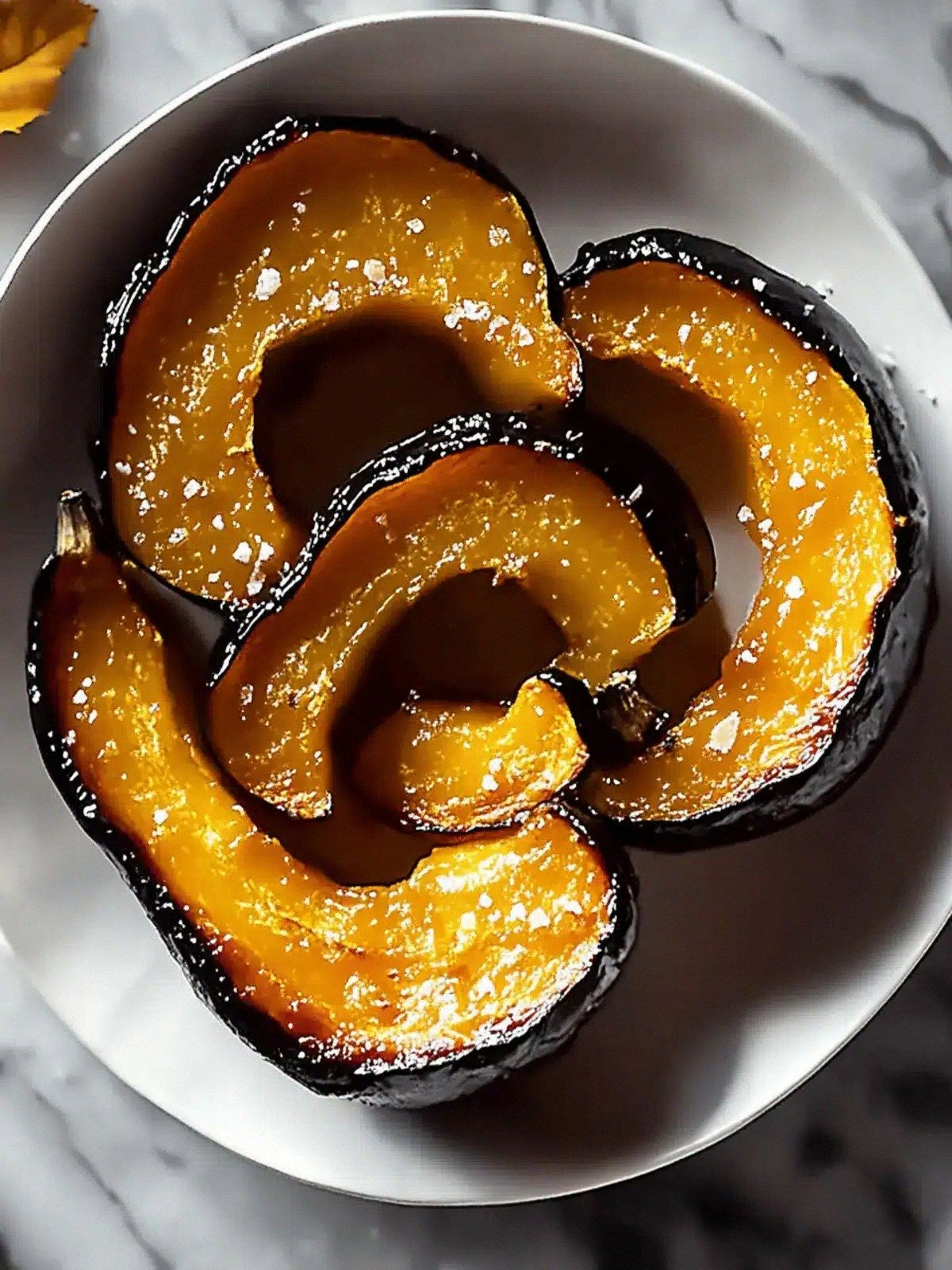
The moment the squash hit the hot pan, a caramelized aroma exploded, turning the kitchen into a fragrant forest of autumn. I could hear the subtle sizzle as the maple syrup kissed the edges, and the sound of the squash’s skin crackling felt like applause for a well‑executed performance. My taste buds tingled with anticipation, ready to taste the sweet‑spicy duet of maple and cinnamon. The texture was already a promise: a crisp exterior that would give way to a silky, custard‑like interior. And the color? A golden‑amber glow that made even my phone’s camera pause in admiration.
What sets this version apart is not just the ingredients but the philosophy behind it. I’ve stripped away the clutter that often mars pumpkin‑based dishes: no heavy creams, no over‑sugaring, just a balanced harmony of natural sweetness and subtle spice. The result is a side dish that can stand alone at a Thanksgiving table or elevate a simple dinner with its caramelized edges that shatter like thin ice. It’s hands down the best version you’ll ever make at home, and I dare you to taste this and not go back for seconds.
And here’s the kicker: I’ll reveal a secret technique that most recipes skip—how to use the leftover squash pulp to create a silky sauce that coats your favorite pasta like velvet. That’s the kind of twist that turns a basic side into a multi‑course experience. Stay with me here—this is worth it. Let me walk you through every single step—by the end, you’ll wonder how you ever made it any other way.
What Makes This Version Stand Out
- Flavor: The maple syrup caramelizes the squash’s natural sugars into a caramelized glaze that’s both sweet and slightly nutty, creating a depth that ordinary roasted squash never achieves. The cinnamon adds a warm, spicy undertone that balances the maple’s sweetness. The result is a taste profile that feels like a cozy hug.
- Texture: The careful roasting time creates a crisp, almost crunchy exterior that gives way to a creamy, custard‑like interior. The contrast is a sensory delight—think crunchy sugar crystals melting into silky flesh. It’s a textural symphony that keeps diners coming back for more.
- Simplicity: Five ingredients, one pan, and a single baking sheet. No complicated sauces or elaborate prep. It’s the kind of recipe that saves you from a kitchen panic and still delivers restaurant quality.
- Uniqueness: The maple‑cinnamon glaze is the star, turning a humble squash into a caramelized masterpiece. Most recipes rely on butter or honey; I use pure maple syrup for its depth and natural sweetness.
- Audience: Whether you’re a seasoned cook or a kitchen novice, this dish earns rave reviews. Friends will ask for the recipe after a single bite, and I’ll grin and say, “I’ll be honest — I ate half the batch before anyone else got to try it.”
- Make‑ahead: Once roasted, the squash keeps its flavor for up to 48 hours in the fridge. Reheat gently in the oven or microwave, and it’s still as delicious as when it first came out of the oven.
Inside the Ingredient List
The Flavor Base
The maple syrup is the backbone of this dish. It’s not just a sweetener; it’s a flavor enhancer that brings out the squash’s natural sweetness while adding a subtle nutty undertone. Pure maple syrup, as opposed to imitation, offers a complex profile of sugars and trace minerals that elevate the dish’s overall taste. If you’re in a pinch, a splash of honey can substitute, but the maple’s unique flavor is irreplaceable.
The ground cinnamon adds warmth and a hint of spice that counters the syrup’s sweetness. Cinnamon’s aromatic compounds mingle with the maple’s caramel notes, creating a fragrant, comforting aroma that instantly transports you to a cozy kitchen. Skipping cinnamon would leave the dish feeling flat; it’s the secret that gives this recipe its signature depth.
Kosher salt is the finishing touch that balances the sweetness and brings out the natural flavors of the squash. Salt’s ability to enhance other flavors is well documented, and a pinch of kosher salt can transform a good dish into a great one. If you prefer a lower sodium option, sea salt works just as well, but it may alter the texture slightly.
The Texture Crew
The olive oil is the medium that carries the maple glaze into every bite. It helps the glaze adhere to the squash’s surface, creating that coveted caramelized crust. Olive oil also adds a subtle fruity note that complements the maple’s sweetness. If you’re watching calories, a light olive oil or a neutral oil like grapeseed will still work.
The medium acorn squash is the star. Its dense, sweet flesh holds the glaze beautifully, allowing the caramelized edges to form while keeping the interior silky. When selecting a squash, look for one that feels heavy for its size and has a smooth, unblemished skin. A squash that’s too small or too thin will overcook and lose its structure.
The squash’s natural moisture is critical for the caramelization process. As the oil and maple syrup heat, the squash releases water, which then evaporates and concentrates the sugars. This creates a glaze that is both glossy and intensely flavored. Over‑roasting can cause the squash to dry out, so timing is key.
The Unexpected Star
The maple syrup’s unique composition of sucrose, glucose, and fructose is what makes it shine in this dish. These sugars caramelize at lower temperatures, giving the squash a golden crust without burning. The syrup also contains trace amounts of minerals like manganese and zinc, which subtly enhance the dish’s nutritional profile.
Did you know that maple syrup’s flavor profile changes depending on the region it’s harvested from? A syrup from the Northeast will have a richer, more robust taste compared to one from the Midwest. Choosing a high‑grade syrup can elevate the dish to a new level of sophistication.
Everything’s prepped? Good. Let’s get into the real action…
The Method — Step by Step
- First, preheat your oven to 200 °C (400 °F). While the oven warms, wash the acorn squash thoroughly and cut it in half lengthwise. Use a spoon to scoop out all the seeds and stringy bits; this ensures a clean, uniform roast. The smell of fresh squash will start to mingle with the anticipation of the final dish. This is the moment of truth—make sure the squash is evenly sized for even cooking.
- Place the squash halves cut‑side down on a baking sheet lined with parchment paper. Drizzle each half with 1 tablespoon of olive oil, then sprinkle 1 teaspoon of ground cinnamon over the top. The oil will help the cinnamon adhere and create a caramelized crust. The aroma should start to rise, signaling the start of flavor development.
- Add 3 tablespoons of pure maple syrup to each half, ensuring the syrup coats the entire surface. The syrup’s sugars will begin to caramelize as the squash heats, giving the edges that golden, glossy finish. If you prefer a lighter glaze, use less syrup, but the dish will lose some depth.
- Season the squash with ½ teaspoon of kosher salt. Salt’s role is to balance the sweetness and bring out the squash’s natural flavors. Sprinkle evenly, then gently press the salt into the surface with your fingertips to ensure even coverage. The salt will also help the glaze set into a crisp crust.
- Slide the baking sheet into the preheated oven. Roast for 25–30 minutes, checking after 20 minutes to ensure the edges are caramelizing but not burning. The squash should feel firm yet give slightly when pressed. The glaze should be glossy and slightly thickened. Keep an eye on the color; you want a deep amber, not a dark brown.
- Watch Out: Do not leave the squash in the oven for longer than 35 minutes. Overcooking can cause the maple syrup to burn, turning the dish bitter and turning the squash dry. If you notice the edges starting to brown too quickly, tent the squash with a piece of foil to protect the surface while the interior finishes cooking.
- When the squash is done, remove it from the oven and let it rest for 10 minutes. This rest period allows the residual heat to finish caramelizing the glaze, giving it a glossy, silky finish. During this time, the internal temperature will rise a few degrees, ensuring the flesh is perfectly tender.
- Serve the squash halves directly from the pan, spooning the caramelized glaze over the top. The glossy glaze should coat the flesh like a velvet blanket, delivering a burst of sweet, spicy flavor with every bite. Pair it with roasted meats or a simple green salad for a balanced meal.
That’s it — you did it. But hold on, I've got a few more tricks that'll take this to another level…
Insider Tricks for Flawless Results
The Temperature Rule Nobody Follows
Many cooks think a higher temperature always speeds up roasting, but for squash, a moderate 200 °C (400 °F) is key. This temperature allows the sugars to caramelize slowly, creating a richer glaze without burning. If you crank the heat up, the maple syrup will scorch before the squash fully cooks.
Why Your Nose Knows Best
The moment the maple glaze starts to bubble, your nose will tell you the dish is almost ready. The aroma of caramelized sugar is a reliable indicator that the glaze is thickening and the squash is tender. Trust your senses; don’t rely solely on the timer.
The 5‑Minute Rest That Changes Everything
Letting the squash rest after roasting is crucial for achieving that glossy glaze. The residual heat continues to caramelize the sugars, and the squash’s moisture redistributes, ensuring a consistent texture. Skipping this step will leave you with a less cohesive glaze.
The Perfect Slice
Slice the squash into even wedges before roasting. Even slices roast uniformly, preventing some pieces from overcooking while others remain underdone. A kitchen ruler or a simple measuring cup can help you gauge the thickness.
The Quick Cooling Trick
If you’re serving the squash immediately, place it on a wire rack to cool slightly. This prevents the bottom from becoming soggy and keeps the glaze intact. The rack also allows steam to escape, preserving the crisp edges.
Creative Twists and Variations
This recipe is a playground. Here are some of my favorite ways to switch things up:
Spicy Maple Crunch
Add a pinch of cayenne pepper to the cinnamon before coating the squash. The heat will contrast with the sweetness, creating a spicy‑sweet balance that’s perfect for adventurous palates. Serve with a cool yogurt dip to balance the heat.
Herb‑Infused Glaze
Mix in chopped fresh thyme or rosemary into the maple syrup before drizzling. The herbs bring a savory depth that pairs well with roasted pork or lamb. The aromatic herbs also add a green, fresh note.
Cheesy Finale
Sprinkle shredded sharp cheddar or Gruyère over the squash during the last 5 minutes of roasting. The cheese will melt into the glaze, creating a gooey, savory topping that’s irresistible. This variation works great as a side for a hearty stew.
Savory Sweet Combo
Replace the maple syrup with a mixture of balsamic vinegar and a splash of honey. The acidity of the balsamic cuts through the sweetness, offering a tangy, savory flavor. This version is ideal for pairing with roasted chicken.
Nutty Crunch
Top the finished squash with toasted pecans or walnuts before serving. The nuts add a satisfying crunch and a nutty flavor that complements the maple glaze. It’s a perfect addition for a holiday table.
Storing and Bringing It Back to Life
Fridge Storage
Store leftover squash in an airtight container in the refrigerator for up to 48 hours. The glaze will firm slightly, so reheat gently to restore its glossy texture. The squash remains tender and flavorful, making it a great make‑ahead option.
Freezer Friendly
For longer storage, place the squash halves in a freezer‑safe bag and freeze for up to 3 months. When ready to serve, thaw overnight in the fridge and reheat in a 180 °C oven until warmed through. The texture may change slightly, but the flavor remains intact.
Best Reheating Method
Reheat the squash in a 180 °C oven for 10–12 minutes, adding a tiny splash of water to the pan. The water steams the squash, preventing it from drying out and restoring its silky interior. Finish with a quick drizzle of maple syrup for extra shine.