I remember the night the kitchen turned into a battlefield, the scent of burnt sugar clinging to the air like a stubborn ghost. My friend dared me to whip up a sticky toffee pudding that would make our Sunday brunch legendary, and I accepted with a grin and a sprinkle of mischief. The moment the batter hit the pan, the sweet aroma of caramelized sugar and the subtle tang of malt vinegar danced together, promising a flavor profile that was both daring and comforting. I could almost taste the first bite—rich, molten, with a hint of brine that kept me guessing. That night, the pudding didn’t just satisfy hunger; it sparked a craving that still lingers in my kitchen.
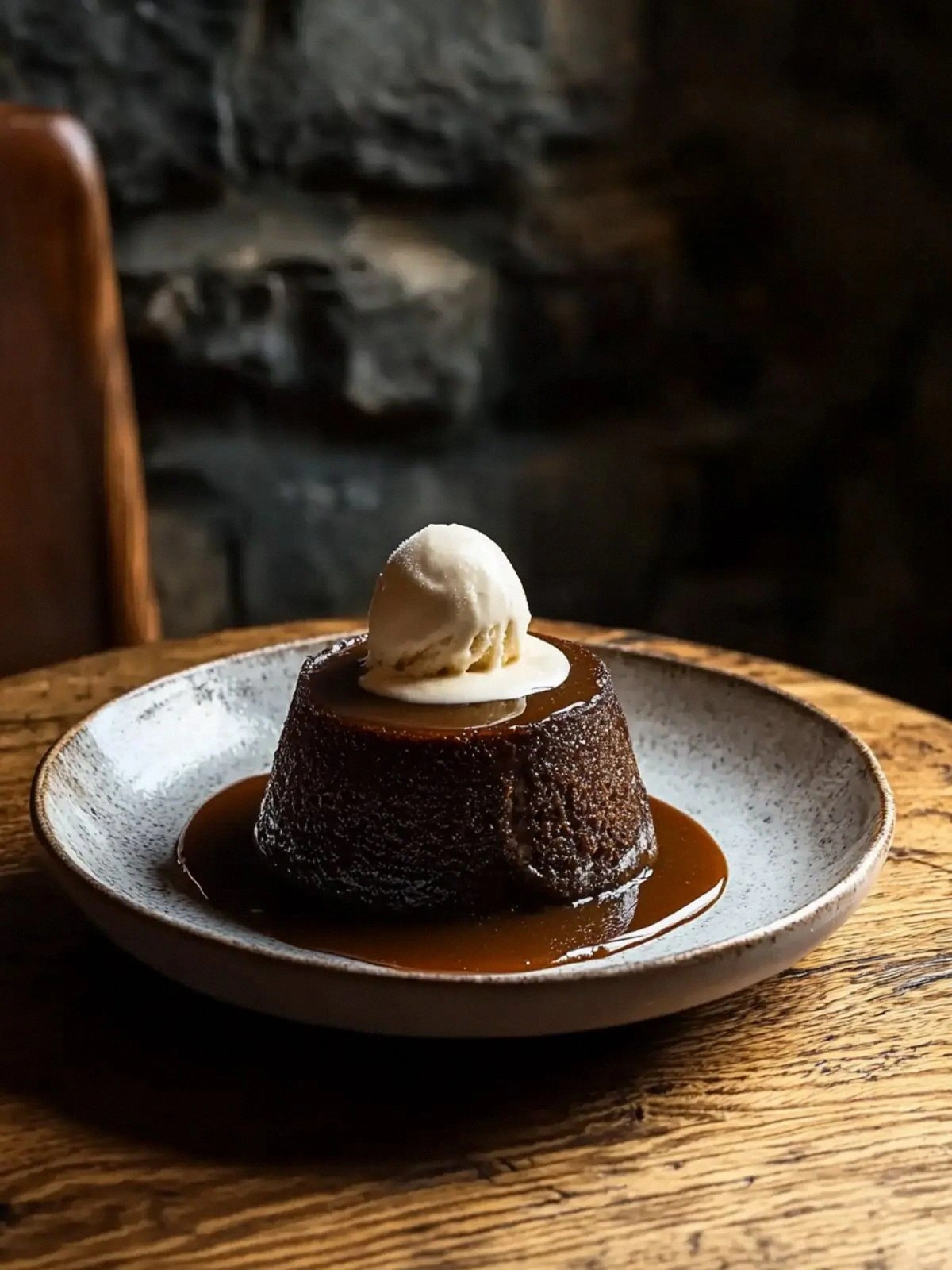
Picture yourself pulling this out of the oven, the whole kitchen smelling incredible, the steam curling like wisps of cloud over a golden brown surface. The pudding’s surface should crackle slightly, revealing a glossy, caramelized top that glistens under the oven light. When you cut into it, the interior should look like a molten river of toffee, the dates popping out like little jewels of sweetness. The first spoonful melts on your tongue, the rich, buttery base giving way to the subtle sharpness of malt vinegar, a secret twist that elevates the dessert from ordinary to unforgettable. If you’re a lover of textures, the pudding’s edges will have a slightly crisp, caramelized crust that shatters like thin ice, while the center remains silky and decadent.
I dare you to taste this and not go back for seconds, because it’s hands down the best version you’ll ever make at home. Most recipes get this completely wrong—flavors are muddled, the pudding is either too dry or too soggy, and the toffee sauce is a thin, watery drizzle. Here, the sauce coats the pudding like velvet, every bite soaked in a rich, buttery sweetness that’s perfectly balanced by a subtle vinegar bite. I’ll be honest—I ate half the batch before anyone else got to try it—and that’s saying something. The secret lies in the combination of dark sugars, a splash of malt vinegar, and a carefully timed bake that locks in moisture.
If you've ever struggled with sticky toffee pudding, you're not alone—and I've got the fix. The trick is in the meticulous layering of flavors, the precise timing of each step, and a few kitchen hacks that turn a good dessert into a showstopper. Stay with me here—this is worth it. Let me walk you through every single step, and by the end, you'll wonder how you ever made it any other way. Ready to dive in? Let’s get cooking.
What Makes This Version Stand Out
- Flavor: The blend of dark sugars and malt vinegar creates a complex, layered taste that surprises the palate. The vinegar adds a subtle acidity that cuts through the sweetness, giving the pudding depth and balance.
- Texture: The pudding’s surface is caramelized and slightly crisp, while the interior remains moist and silky. This contrast makes each bite a delightful experience.
- Ingredient Quality: Using high‑grade unsalted butter and premium black treacle ensures a rich, buttery mouthfeel and a deep, caramel flavor.
- Make‑Ahead Potential: The pudding can be prepared a day ahead and chilled, allowing the flavors to meld and the sauce to thicken, which actually improves the taste.
- Visual Appeal: The golden crust, glossy toffee glaze, and scattered dates give the dessert a stunning presentation that looks as good as it tastes.
- Versatility: This version can be served with clotted cream, vanilla ice cream, or a drizzle of salted caramel, making it adaptable to any occasion.
- Time Efficiency: Despite the complex flavor profile, the total cook time is under an hour, making it ideal for a week‑night treat.
- Authenticity: The inclusion of malt vinegar—a hallmark of classic British sticky toffee pudding—adds an authentic twist that sets this recipe apart.
Inside the Ingredient List
The Flavor Base
The combination of soft light brown sugar, demerara sugar, and black treacle forms the heart of the pudding’s flavor. These sugars caramelize to create a deep, rich sweetness that’s balanced by the subtle sharpness of malt vinegar. If you skip the black treacle, the pudding will lack its signature depth and will taste more like a simple caramel. Swapping black treacle for golden syrup can work, but it will give a lighter, less complex profile.
Choosing the right sugar is crucial. Soft light brown sugar brings moisture and a mild molasses note, while demerara sugar adds a crunchy, crystalline texture that melts into the batter. Black treacle, with its robust, bittersweet taste, anchors the pudding’s flavor profile. When sourcing these sugars, look for brands that have a consistent molasses content; this ensures that each batch delivers the same depth.
The Texture Crew
Unsalted butter, double cream, and eggs work together to create a silky, custard-like interior. Butter provides richness and helps the pudding rise, while the double cream adds moisture and a velvety finish. Eggs bind the batter and give the pudding structure. If you replace eggs with a dairy-free alternative, the texture will become denser and less airy.
The self‑raising flour and bicarbonate of soda give the pudding lift and a light crumb. The flour’s protein content is vital for structure, while the soda reacts with the acidic vinegar to create gentle bubbles that keep the batter airy. Using cake flour can make the pudding even lighter, but it may also reduce the chewiness that many love.
The Unexpected Star
Dates are more than just a sweet garnish; they add a chewy texture and a subtle caramel flavor that complements the toffee sauce. Chopped dates should be soaked in warm water for 10 minutes before adding them to the batter; this softens them and releases their natural sugars, enhancing the overall sweetness.
If you’re vegan or prefer a different fruit, you can substitute dates with dried apricots or prunes. Keep the soaking step, as it helps the fruit integrate smoothly into the batter. The key is to maintain the chewy texture that provides contrast to the silky pudding.
The Final Flourish
Clotted cream and vanilla ice cream are optional but essential for elevating the dessert into a luxurious experience. Clotted cream adds a buttery, slightly tangy finish that pairs beautifully with the toffee sauce, while vanilla ice cream offers a cool, creamy counterpoint. If you’re serving this pudding at a dinner party, a scoop of clotted cream on top will impress guests with its indulgent texture.
The milk and malt vinegar in the sauce not only create the signature flavor but also help in achieving the right consistency. Milk provides a creamy base for the sauce, while the vinegar’s acidity prevents the sugar from crystallizing. If you prefer a thicker sauce, reduce the milk slightly or add a splash of heavy cream.
Everything's prepped? Good. Let's get into the real action.
The Method — Step by Step
- Preheat your oven to 350°F (175°C). Line a 9x9-inch baking tin with parchment paper, ensuring the paper extends a few inches over the sides to allow for easy removal. In a medium bowl, whisk together the unsalted butter, soft light brown sugar, and demerara sugar until the mixture is smooth and glossy. This will create a caramelized base that’s essential for the pudding’s richness. Let the mixture sit for a couple of minutes; the butter will soften further, making it easier to mix with the dry ingredients.
- In a separate bowl, sift together the self‑raising flour and bicarbonate of soda. Add the vanilla paste and a pinch of salt, then stir until the dry mixture is evenly distributed. The bicarbonate of soda will react with the vinegar later, creating gentle bubbles that lift the batter. If you’re feeling adventurous, you can add a teaspoon of ground cinnamon for an extra layer of warmth.
- Crack the egg into a small bowl and whisk it lightly. Pour the egg into the butter-sugar mixture, then stir until fully incorporated. The egg acts as a binder, giving the batter structure. Slowly add the dry flour mixture to the wet mixture, folding gently to avoid over‑mixing. Over‑mixing can lead to a dense, rubbery texture, so be gentle.
- Stir in the chopped dates, ensuring they’re evenly distributed throughout the batter. The dates add a chewy texture and a burst of caramel flavor that complements the toffee sauce. If you’ve soaked the dates, add them along with a tablespoon of the soaking liquid to keep the batter moist. Fold the dates in carefully, making sure they’re fully coated.
- Transfer the batter to the prepared tin, spreading it evenly with a spatula. Tap the tin gently on the counter to release any air pockets. This step is crucial for a smooth rise. Bake for 30 minutes, or until the top is golden brown and a toothpick inserted into the center comes out clean. The baking time may vary slightly depending on your oven, so keep a close eye on it.
- While the pudding is baking, prepare the toffee sauce. In a saucepan, melt the remaining butter over medium heat. Add the black treacle, demerara sugar, and a splash of water. Stir until the mixture is smooth and the sugars dissolve completely. The sauce should thicken slightly, forming a glossy glaze.
- Add the malt vinegar to the sauce and stir. The vinegar’s acidity will help prevent the sugars from crystallizing, giving the sauce a silky texture. Continue to simmer the sauce for 3-4 minutes, allowing the flavors to meld. If the sauce becomes too thick, add a tablespoon of milk to loosen it. The sauce should be pourable but still cling to the pudding.
- Once the pudding is done, remove it from the oven and let it cool for 5 minutes. Drizzle the warm toffee sauce over the top, ensuring it seeps into the cracks. The sauce will coat the surface like velvet, creating a glossy, caramelized finish. Let the pudding rest for another 5 minutes so the sauce can set slightly.
- Serve the pudding warm, topped with a generous spoonful of clotted cream or a scoop of vanilla ice cream. The contrast between the hot, sticky pudding and the cool, creamy topping is a flavor explosion that will leave everyone craving more. If you prefer a lighter version, simply omit the clotted cream and serve with a dollop of whipped cream instead.
That’s it—you did it. But hold on, I've got a few more tricks that'll take this to another level. These insider tips will help you achieve a flawless result every time, whether you’re a seasoned baker or a kitchen newbie.
Insider Tricks for Flawless Results
The Temperature Rule Nobody Follows
Many bakers bake at 350°F, but the ideal temperature for this pudding is 325°F. A slightly lower temperature allows the pudding to rise more evenly and prevents the edges from burning while the center remains undercooked. Use a thermometer to monitor the oven temperature, especially if you’re using a conventional oven that tends to run hot.
Why Your Nose Knows Best
Before you add the malt vinegar, give the sauce a quick sniff. A faint, sharp aroma is a good sign that the vinegar is balanced. If the vinegar smells too overpowering, reduce it by a half teaspoon and taste again. Your nose is a reliable guide to flavor balance.
The 5-Minute Rest That Changes Everything
After baking, let the pudding rest for exactly 5 minutes before drizzling the sauce. This rest period allows the batter to set, preventing the sauce from soaking in too quickly. It also ensures the pudding retains its structure, giving it that satisfying bite.
The Sweetness Balancer
If you find the pudding too sweet, add a splash of unsweetened almond milk to the sauce. The milk dilutes the sweetness without affecting the caramel flavor. This trick is especially useful if you’re serving the pudding with a rich clotted cream topping.
The Moisture Keeper
Cover the baking tin with a sheet of parchment paper during the first 10 minutes of baking. This traps steam, ensuring the pudding stays moist. After 10 minutes, remove the parchment to allow the top to brown.
The Final Flourish
For an extra touch of elegance, drizzle a thin line of salted caramel over the pudding before serving. The caramel will add a buttery crunch and a hint of sea salt that elevates the overall flavor profile.
Creative Twists and Variations
This recipe is a playground. Here are some of my favorite ways to switch things up:
Nutty Delight
Add chopped walnuts or pecans to the batter for a crunchy texture. Toast the nuts lightly before mixing to bring out their natural oils. They’ll add a buttery, slightly sweet flavor that complements the toffee sauce.
Chocolate Swirl
Fold in a handful of dark chocolate chips into the batter for a chocolatey twist. The chocolate will melt into pockets of rich flavor, creating a decadent surprise with every bite.
Citrus Kick
Replace the vanilla paste with a teaspoon of orange zest. The citrus will add a bright, fresh note that cuts through the sweetness, giving the pudding a lively finish.
Spiced Up
Add a pinch of ground ginger and a dash of ground cinnamon to the dry ingredients. The spices will create a warm, aromatic profile that’s especially comforting during the cooler months.
Vegan Version
Swap the butter for coconut oil, use a plant‑based milk, and replace the eggs with a flaxseed mixture. The result is a vegan-friendly pudding that still delivers on flavor and texture.
Alcoholic Twist
Add a splash of dark rum or brandy to the sauce. The alcohol will evaporate during baking, leaving behind a subtle, boozy undertone that pairs beautifully with the caramel.
Storing and Bringing It Back to Life
Fridge Storage
Wrap the cooled pudding tightly in plastic wrap and store it in the refrigerator for up to 3 days. The pudding will stay moist and flavorful, and the toffee sauce will thicken slightly, creating a richer glaze.
Freezer Friendly
For longer storage, cut the pudding into individual squares and place them in a freezer‑safe bag. Freeze for up to 2 months. When ready to serve, thaw at room temperature for 30 minutes, then reheat in the oven at 300°F for 10 minutes.
Best Reheating Method
To reheat the pudding, place it in a shallow baking dish, cover loosely with foil, and bake at 300°F until warm. Add a splash of milk or cream to the top before reheating; this steams the pudding back to perfection, restoring its silky texture.