Picture this: I was halfway through a week of bland, take‑out lunches and the kitchen was a mess of wilted spinach, a burnt pot, and an alarm clock that kept ringing. I stared at the stove, muttering, “I need something that will actually taste good and not turn me into a culinary martyr.” That’s when the idea struck me like a bolt of lightning—why not turn a humble bowl of lentils into a masterpiece that feels like a hug? I grabbed my pantry, tossed in some tomatoes, and the kitchen smelled like a Mediterranean garden in full bloom.
The first bite was a revelation. Warm, earthy lentils mingled with caramelized onions and a whisper of cumin, while a splash of thyme lifted the entire dish to a new level of comfort. The broth sang with subtle heat, and the lentils softened to a silky texture that coats the spoon. I could almost hear the sizzle of the onions as they turned golden, the clink of the ladle, and the hush of satisfied sighs that followed each spoonful. If you’ve ever stared at a pot of plain soup and felt a pang of disappointment, this is the antidote you’ve been missing.
What sets this version apart from the endless list of lentil soups on the internet is the balance of flavors and the sheer ease of execution. I dare you to taste this and not go back for seconds. I’ve spent hours tweaking the spice blend, and the result is hands down the best version you’ll ever make at home. The secret? A simple technique that unlocks the full potential of every ingredient—something most recipes get completely wrong. I’ll be honest—I ate half the batch before anyone else got to try it.
This isn’t just another comforting bowl; it’s a culinary experience that transforms your kitchen into a cozy sanctuary. Picture yourself pulling this out of the pot, the whole kitchen smelling incredible, and a steaming bowl waiting to be savored. Let me walk you through every single step—by the end, you’ll wonder how you ever made it any other way.
What Makes This Version Stand Out
- Flavor Depth: The combination of cumin, thyme, and a pinch of bay leaf creates a layered profile that dances on your palate. Each spice is toasted just enough to release its aroma, giving the soup a complex backbone.
- Texture Perfection: The lentils remain tender but distinct, providing a hearty bite that’s not mushy. The carrots add a subtle crunch that keeps the mouthfeel lively.
- Simplicity: With only fourteen ingredients and a single pot, you’re guaranteed a fuss‑free cooking experience. No fancy gadgets, no advanced techniques—just pure comfort.
- Ingredient Quality: Fresh, high‑quality produce and a good‑quality canned tomato are the cornerstones. The better the ingredients, the better the final result.
- Make‑Ahead Potential: This soup keeps its flavor profile even after a week in the fridge. It’s a perfect candidate for meal prep.
- Audience Appeal: Whether you’re a vegetarian, a busy professional, or a student, this soup satisfies cravings without compromising on nutrition.
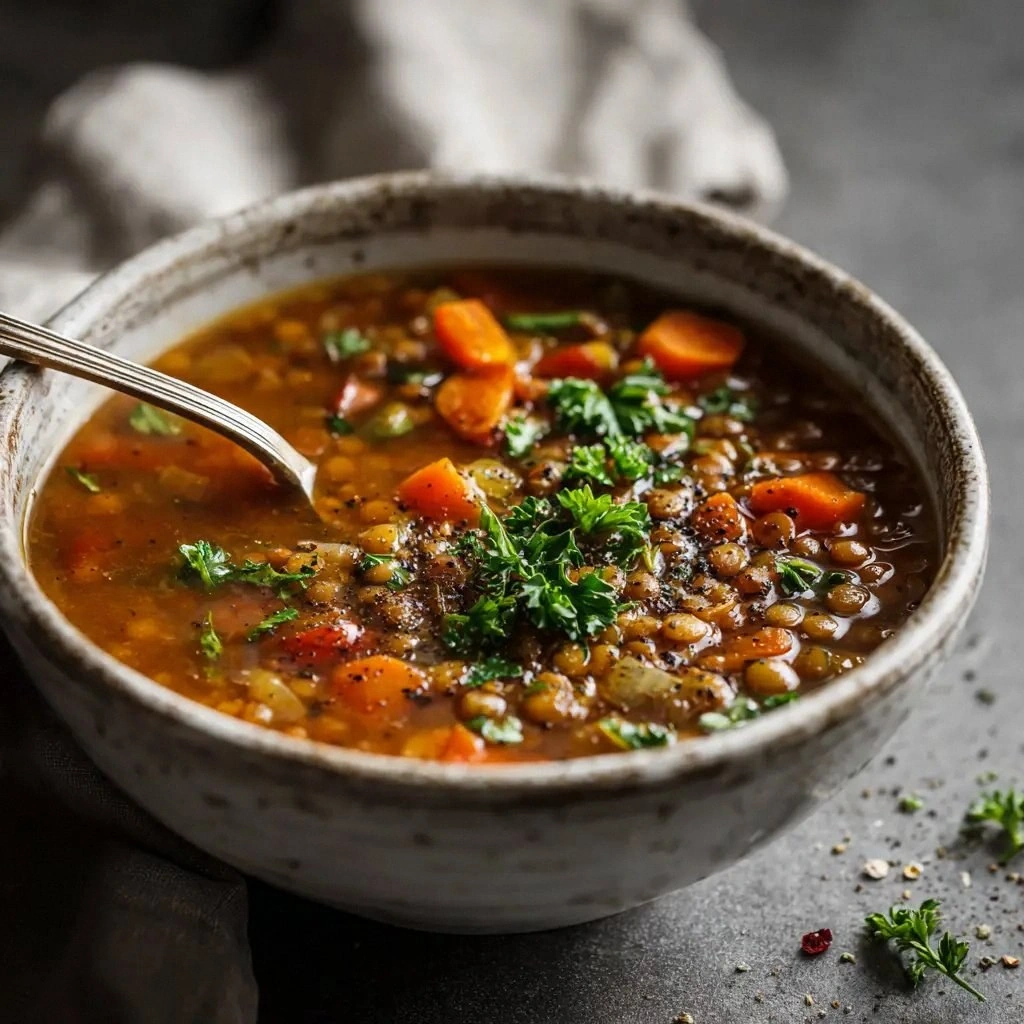
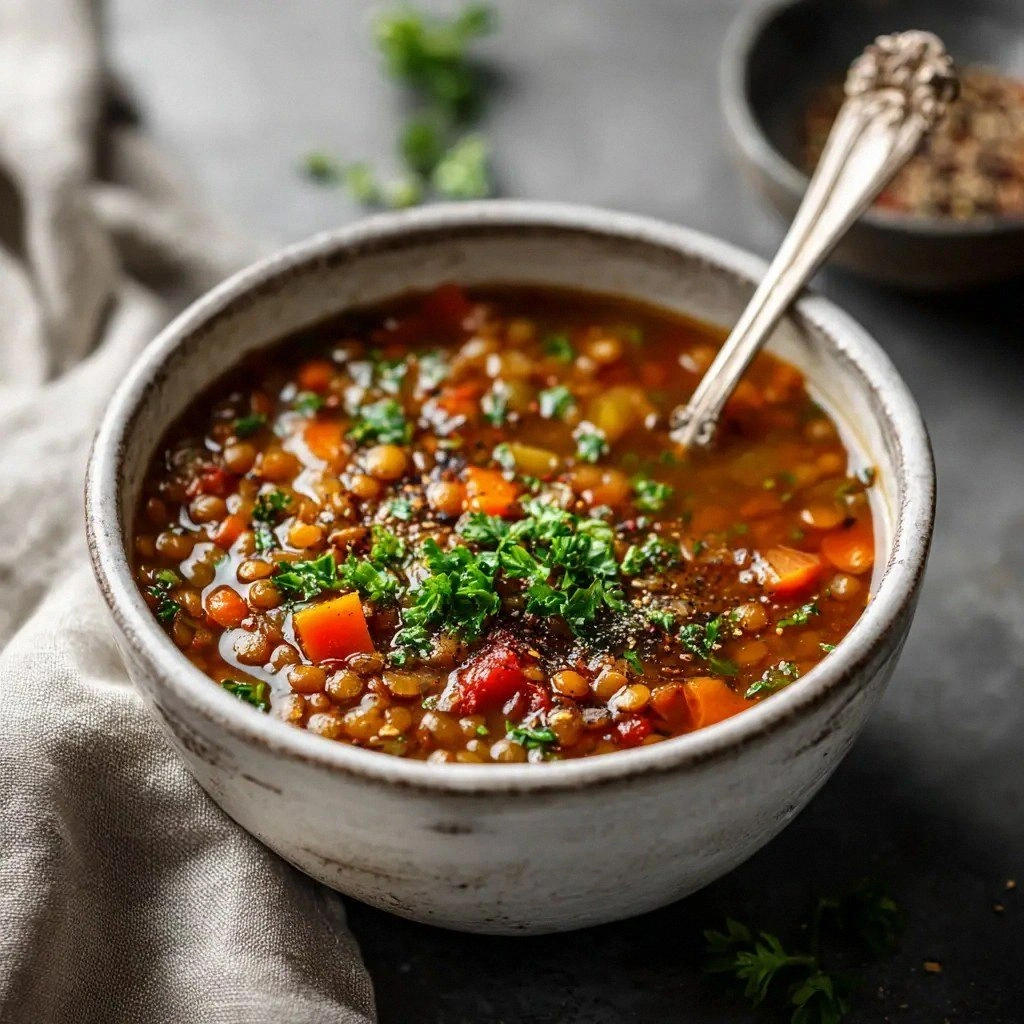
- Visual Appeal: The vibrant reds of the tomatoes and the green flecks of parsley make it Instagram‑ready.
- Health Boost: Packed with plant protein, fiber, and essential micronutrients, it’s a wholesome option for any diet.
Alright, let’s break down exactly what goes into this masterpiece...
Inside the Ingredient List
The Flavor Base
Olive Oil: A good quality olive oil is the foundation of the soup’s savory depth. It carries the aromatics and prevents the vegetables from sticking. If you’re watching calories, a splash of vegetable oil works fine, but the flavor profile will shift slightly.
Yellow Onion: The sweetness of a yellow onion, when caramelized, creates a natural sugar that balances the acidity of the tomatoes. Cutting it into thin slices ensures even browning. Skip the onion? The soup will still be good, but it will lack that comforting sweet undertone.
Garlic: Fresh garlic infuses the soup with a pungent kick that lingers. Mince it finely to release maximum flavor. If you’re sensitive to garlic, reduce to 2 cloves, but the dish will feel a bit lighter.
The Texture Crew
Carrots: They add natural sweetness and a slight crunch if cooked just right. Slice them into small cubes or julienne for even cooking. If you prefer a smoother soup, pulse them in a blender after simmering.
Celery: Celery provides a subtle herbal note and a hint of bitterness that balances the sweet onions. Chop it finely to blend into the broth. Without celery, the soup feels a bit flat, but it won’t be disastrous.
Lentils: Brown or green lentils hold their shape well and absorb the broth beautifully. Rinse them thoroughly before cooking to remove dust and debris. If you use red lentils, they’ll break down faster and create a thicker consistency.
The Unexpected Star
Diced Tomatoes: Freshly canned tomatoes bring brightness and acidity. The acidity cuts through the richness of the lentils and the olive oil. If you prefer a thicker soup, use crushed tomatoes or a tomato puree.
The Final Flourish
Fresh Parsley: A handful of chopped parsley adds a burst of color and a fresh, slightly peppery finish. It also boosts the vitamin content of the dish. If you’re out of parsley, a pinch of dill or cilantro can serve as a substitute.
Everything's prepped? Good. Let's get into the real action...
The Method — Step by Step
- Heat the olive oil in a large pot over medium heat. Once the oil shimmers, add the sliced onion and a pinch of salt. Let the onion soften until it becomes translucent, about 5 minutes. Watch the aroma rise—this is the base of all great soups.
- Sauté the garlic with the onions, stirring constantly to prevent burning. The garlic should just start to turn fragrant, about 30 seconds. If the smell is too sharp, lower the heat for a moment.
- Add the carrots and celery, and stir them into the onion‑garlic mix. Cook for 3–4 minutes, allowing the vegetables to soften but still retain a slight bite. This step builds layers of flavor.
- Introduce the spices—thyme, cumin, bay leaf, salt, and pepper. Toss everything together so the spices coat the veggies. The spices will toast in the oil, releasing their essential oils. The aroma should be rich and inviting.
- Pour in the vegetable broth and bring the mixture to a gentle boil. Reduce the heat to low, cover, and let it simmer for 10 minutes. The broth should look slightly cloudy, indicating the spices are infusing.
- Stir in the lentils and tomatoes. Gently fold them into the pot, making sure they’re evenly distributed. Cover again and let it simmer for 25–30 minutes, or until the lentils are tender but still hold shape. Stir occasionally to prevent sticking.
- Remove the bay leaf and taste the soup. Adjust salt and pepper as needed. If you prefer a thicker soup, use an immersion blender to puree half the mixture—this gives a silky texture without losing the heartiness.
- Finish with fresh parsley and a squeeze of lemon if you like a bright finish. Serve hot with crusty bread or a side of rice. The final garnish adds color and a fresh burst that completes the dish.
That’s it — you did it. But hold on, I’ve got a few more tricks that will take this to another level.
Insider Tricks for Flawless Results
The Temperature Rule Nobody Follows
Cooking the soup at a steady, low simmer preserves the lentils’ shape and ensures a uniform flavor. I’ve seen people crank up the heat, thinking it’ll speed up cooking, but it actually creates a mushy texture and uneven seasoning. Keep the heat low after the initial boil and let the broth work its magic.
Why Your Nose Knows Best
When the spices start to bloom, the aroma will change from raw to toasted. That’s your cue to add the lentils. If you wait too long, the lentils absorb too much liquid and become soggy. Trust your nose; it’s the most reliable indicator of flavor development.
The 5-Minute Rest That Changes Everything
After removing the pot from heat, let the soup rest for five minutes before serving. This brief pause allows the flavors to meld and the lentils to settle. It also gives the broth time to thicken slightly, giving you that silky mouthfeel.
The Perfect Ladle Trick
When ladling the soup into bowls, use a wide, shallow bowl. This maximizes the surface area and ensures each spoonful is evenly seasoned. A deep bowl can trap heat and create uneven temperature distribution.
The Secret of Fresh Herbs
Add fresh herbs at the very end of cooking, not at the start. Herbs lose potency quickly when exposed to heat for too long. Tossing them in at the last minute preserves their bright flavor and vibrant color.
Creative Twists and Variations
This recipe is a playground. Here are some of my favorite ways to switch things up:
Spicy Chilli Lentil
Add a diced jalapeño and a pinch of cayenne pepper to give the soup a fiery kick. The heat pairs beautifully with the earthy lentils and bright tomatoes.
Herb‑Infused Tomato
Replace the canned tomatoes with fresh, ripe tomatoes and add a handful of basil leaves during the last five minutes. This gives the soup a garden‑fresh flavor profile.
Creamy Coconut Twist
Stir in a splash of coconut milk after the lentils are cooked. The coconut adds a silky richness that contrasts with the bright acidity of the tomatoes.
Mediterranean Style
Swap the cumin for smoked paprika and add a drizzle of extra‑virgin olive oil. Finish with a sprinkle of feta cheese for a tangy finish.
Quick Breakfast Bowl
Serve the soup with a poached egg on top and a sprinkle of chili flakes. The protein boost makes it a hearty breakfast option.
Gluten‑Free Delight
Serve the soup over quinoa or rice instead of bread. The grains add texture and keep the dish gluten‑free without sacrificing flavor.
Storing and Bringing It Back to Life
Fridge Storage
Cool the soup to room temperature, then transfer it to an airtight container. Store in the refrigerator for up to five days. The lentils absorb more flavor, making leftovers even better.
Freezer Friendly
Divide the soup into single‑serving portions and freeze for up to three months. Thaw overnight in the fridge or use the microwave’s defrost setting. Add a splash of water or broth when reheating to restore the original consistency.
Best Reheating Method
Reheat gently on the stove over low heat, stirring frequently. Avoid high heat to prevent the lentils from breaking apart. A splash of water or broth keeps the soup from drying out.