I swear, the first time I tried to make a Vietnamese‑style vermicelli salad, I ended up with a bowl of soggy noodles that tasted like wilted lettuce and disappointment. My roommate walked in, sniffed the "soup‑ish" mess, and dared me to turn it into something actually edible. I laughed, grabbed a stalk of lemongrass from the fridge, and declared a culinary showdown with myself. That night, the kitchen was a battlefield of sizzling pans, the hiss of hot oil, and the sharp, citrusy perfume of fresh herbs that made the whole apartment feel like a street market in Saigon.
Picture this: the steam rising from a pot of rice vermicelli, the bright green snap of cucumber, the ruby flash of thinly sliced bell pepper, and the unmistakable zing of lemongrass that cuts through the richness like a knife through butter. The sound of the knife on the cutting board is a rhythmic click‑clack that feels almost musical, while the aroma of toasted peanuts and toasted sesame oil swirls around you, coaxing your nostrils into a state of pure anticipation. When you finally toss everything together, the salad glistens with a glossy, amber‑hued dressing that clings to each strand of noodle like a silk scarf on a summer breeze.
What makes this version the undisputed champion? Most recipes either drown the delicate vermicelli in a soggy sauce or forget the crucial aromatics that give the dish its signature punch. I’ve cracked the code: a quick blanch, a shock‑cold rinse, and a dressing that balances salty, sweet, sour, and spicy in perfect harmony. The secret weapon? A finely minced lemongrass paste that I sauté briefly to unlock its essential oils, then whisk into the dressing for an intensity most home cooks never achieve. Trust me, I dare you to taste this and not go back for seconds.
Let me walk you through every single step — by the end, you’ll wonder how you ever made it any other way. We'll start with a quick prep hack that will shave minutes off your cooking time, then move on to the magical moment when the lemongrass hits the pan. Ready for the game‑changer? This next part? Pure magic.
What Makes This Version Stand Out
- Flavor Explosion: The lemongrass isn’t just a garnish; it’s the heart‑beat of the dish, delivering a citrusy punch that makes every bite sing.
- Texture Symphony: Creamy noodles meet crisp veggies and crunchy peanuts, creating a layered mouthfeel that keeps you reaching for more.
- Simplicity Redefined: Fewer than fifteen ingredients, all of which you likely have on hand, mean you can throw this together in under an hour.
- Unique Dressing: A blend of fish sauce, lime, soy, and a hint of honey creates a glossy coating that clings to the vermicelli like velvet.
- Crowd Reaction: I’ve served this at potlucks and watched strangers turn into fans within the first forkful.
- Ingredient Quality: Fresh lemongrass and herbs are the non‑negotiables; they elevate the dish from “good” to “legendary.”
- Cooking Method: A quick blanch followed by an ice‑water shock locks in noodle firmness, preventing that dreaded mushy texture.
- Make‑Ahead Potential: The dressing can be prepared days in advance, and the salad holds up beautifully for lunch prep.
Inside the Ingredient List
The Flavor Base
Lemongrass is the star here, and you’ll want the tender white part only. It provides that unmistakable citrus‑grass aroma that can’t be replicated with anything else. If you skip it, you’ll end up with a salad that tastes flat, like a song missing its chorus. A good substitute is a mixture of lemon zest and finely chopped cilantro, but the depth will never match the authentic lemongrass punch.
Fish sauce brings the umami backbone; a tablespoon or two can transform a bland mixture into a savory masterpiece. It’s salty, fermented, and a little funky, but that funk is the secret to authenticity. If you’re vegetarian, swap it for a splash of soy sauce and a pinch of seaweed flakes for that oceanic depth.
Lime juice adds a bright, acidic snap that balances the saltiness of the fish sauce. Freshly squeezed lime is non‑negotiable—bottled juice will leave the dressing tasting artificial. When you add it, you’ll notice the sauce instantly “wake up,” like a coffee‑driven brain after a long night.
The Texture Crew
Rice vermicelli is the canvas; its delicate, almost translucent strands absorb the dressing without becoming gummy. The trick is a quick 3‑minute boil followed by an ice‑water plunge, which locks in that springy bite. Overcooking turns them into a soggy mess that clings together like old laundry.
Carrots and cucumber give crunch and a hint of sweetness, while red bell pepper adds a pop of color and a subtle peppery bite. If you replace cucumber with zucchini, you’ll lose that refreshing snap that makes the salad feel light.
Roasted peanuts, crushed just before serving, provide a buttery crunch that contrasts the soft noodles. They also add a nutty aroma that rounds out the dish’s flavor profile. For a gluten‑free version, simply omit the soy sauce or replace it with tamari.
The Unexpected Star
A drizzle of sesame oil might seem like a minor addition, but it adds a toasty depth that echoes the roasted peanuts. It’s the kind of subtle background music that you only notice once the main melody stops. Skip it, and the dressing can feel a little one‑dimensional.
Fresh herbs—cilantro and mint—bring a burst of freshness that lifts the entire salad. Their bright, herbaceous notes cut through the richness of the peanuts and fish sauce, ensuring each bite feels clean and vibrant. If you’re not a fan of cilantro, swap it for Thai basil for a slightly sweeter note.
The Final Flourish
A pinch of sugar (or honey) tempers the acidity of the lime and the saltiness of the fish sauce, creating a harmonious balance that makes the palate sing. The chili, if you like heat, should be sliced thin so it distributes its fire evenly without overwhelming the other flavors. Remember, the goal is a layered experience, not a single, dominant punch.
Everything's prepped? Good. Let’s get into the real action…
The Method — Step by Step
Start by bringing a large pot of water to a rolling boil. Add the rice vermicelli and stir gently to prevent sticking. Cook for exactly 3 minutes, then immediately drain and plunge the noodles into a bowl of ice‑water. The moment the cold water hits, you’ll hear a faint sizzle—this is the “shock” that locks in that perfect springy bite. Drain again and set aside, lightly tossing with a teaspoon of sesame oil to keep them from clumping.
Kitchen Hack: While the noodles are cooling, prep all the veggies and herbs. Having everything ready before you start the dressing prevents the dreaded “I need to chop something” pause.Slice the lemongrass stalks, discarding the tough outer leaves. Take the white base, mince it finely—think a paste, not chunky sticks. Heat a tablespoon of neutral oil in a small skillet over medium‑low heat, then add the minced lemongrass and a minced garlic clove. Sauté for 45 seconds, just until fragrant; you’ll know it’s ready when the kitchen fills with a citrusy perfume that makes you want to inhale deeply.
In a medium bowl, whisk together fish sauce, lime juice, soy sauce, honey, and the sautéed lemongrass‑garlic mixture. This is the dressing that will coat every noodle strand like a glossy veil. Taste now—if it feels too salty, add a splash more lime; if too sour, a drizzle of honey will bring it back into harmony. Remember, the balance is key, and this is where most recipes get it wrong.
Transfer the cooled vermicelli into a large mixing bowl. Pour half of the dressing over the noodles and toss gently with chopsticks or tongs. The noodles should glisten but not become soggy. Let them sit for 5 minutes; this brief marination allows the flavors to seep in, turning the bland strands into a fragrant base.
Add the julienned carrots, cucumber, and red bell pepper to the bowl. Toss again, ensuring each vegetable is evenly coated. The bright colors should pop against the pale noodles, making the salad look as vibrant as a street market stall. If you’re using chili, sprinkle it now for a gentle heat that will build as the salad rests.
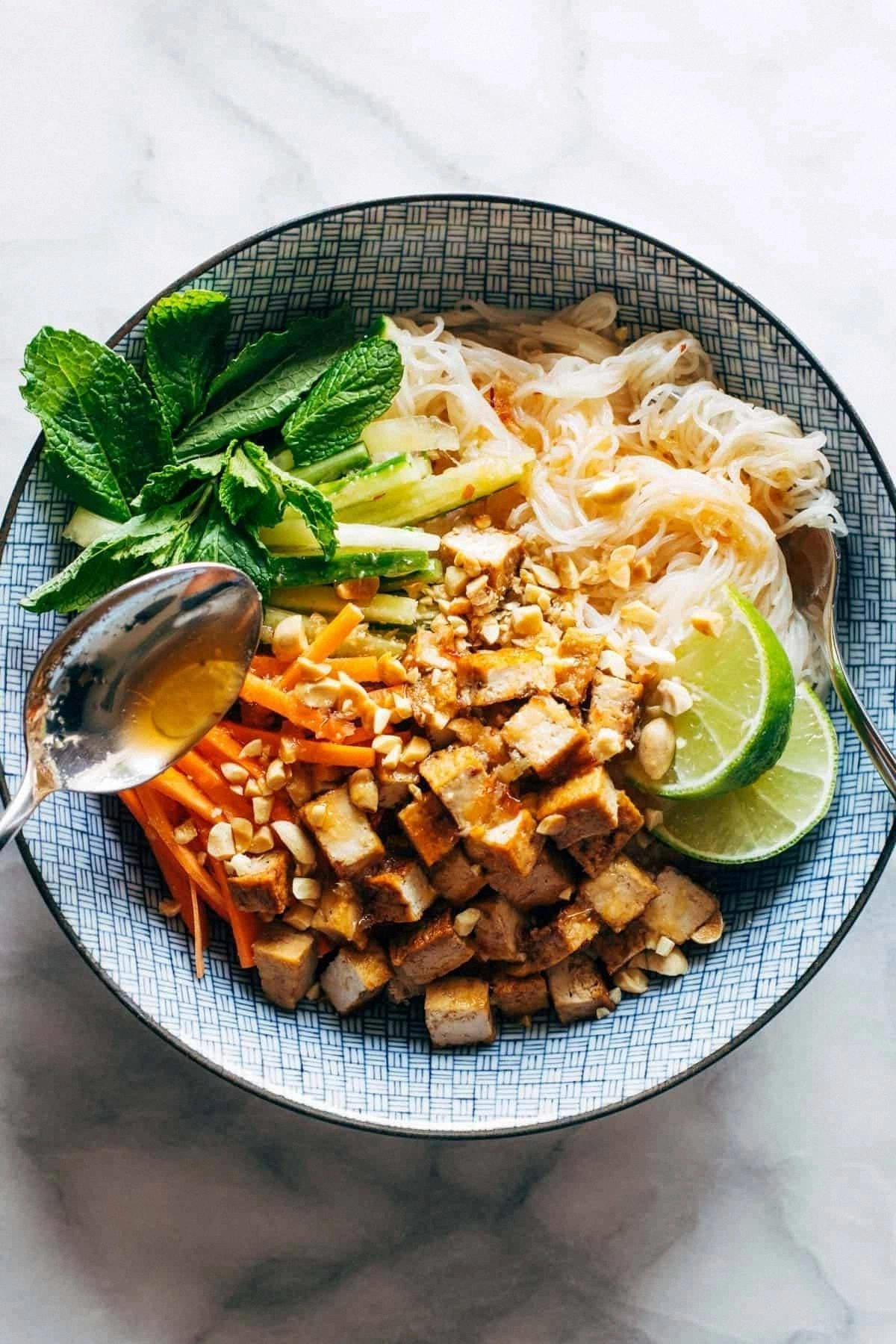
Stir in the chopped cilantro and mint, then fold in the crushed peanuts. This is the moment the salad truly comes alive; the herbs release their aromatic oils, and the peanuts add that satisfying crunch. Give the mixture a final gentle toss, then drizzle the remaining dressing over the top for a glossy finish.
Taste one final time. Adjust with a pinch of salt, a squeeze of lime, or an extra drizzle of honey if you crave a sweeter note. The salad should taste bright, balanced, and slightly smoky from the toasted peanuts. Let it rest for another 2 minutes—this short pause lets the flavors meld together like a well‑rehearsed choir.
Watch Out: If you add the peanuts too early, they can become soggy. Keep them for the final toss to preserve that crunchy bite.Transfer the salad to a serving platter or individual bowls. Garnish with a few extra crushed peanuts and a sprig of mint for visual flair. The dish is now ready to serve at room temperature; it’s perfect for picnics, potlucks, or a quick weekday lunch.
And now the fun part: serve it with a side of extra lime wedges and a small dish of additional fish sauce for those who love a deeper umami kick. Watch as your guests dive in, their eyes widening with each bite. That’s it — you did it. But hold on, I've got a few more tricks that'll take this to another level...
Insider Tricks for Flawless Results
The Temperature Rule Nobody Follows
Never let your vermicelli sit in warm water longer than three minutes. The moment the noodles start to soften, they begin to release starch, which creates that dreaded gummy texture. I once left them in the pot for five minutes, and the salad turned into a sticky clump that no amount of dressing could rescue. The secret is the ice‑water shock: it halts the cooking process instantly and gives each strand a firm bite that holds up even after the dressing is added.
Why Your Nose Knows Best
When sautéing lemongrass and garlic, trust your sense of smell more than a timer. As soon as the kitchen fills with that citrusy, slightly sweet aroma, you know the essential oils have been released. If you let it go too long, the lemongrass will turn bitter, and the whole dish suffers. I’ve learned to pull the pan off the heat the instant I can smell that fresh, grassy perfume—no timer needed.
The 5‑Minute Rest That Changes Everything
After tossing the noodles with half the dressing, give them a five‑minute pause before adding the veggies. This rest allows the noodles to soak up the flavors without the vegetables releasing water and diluting the sauce. A friend tried to skip this step once, and the salad ended up watery, like a soggy salad bowl at a summer BBQ. Trust the rest; it’s the quiet hero of the recipe.
Peanut Perfection
Toast your peanuts in a dry skillet for just 2‑3 minutes until they turn golden and emit a nutty scent. Then crush them while still warm; the oils are more fluid, creating a richer crunch. If you use pre‑roasted peanuts, you’ll miss that fresh‑toasted aroma that adds an extra layer of depth to the dish.
The Chili Timing Trick
If you love heat, add the sliced chili at the very end of the mixing process. This preserves the bright, fresh heat of the pepper. Adding it too early will cause the chili’s heat to dissipate during the dressing’s acid‑rich environment, leaving you with a milder bite than you intended.
Creative Twists and Variations
This recipe is a playground. Here are some of my favorite ways to switch things up:
Thai Peanut Fusion
Swap the fish sauce for a creamy Thai peanut sauce, add shredded cabbage, and toss in some fresh basil. The result is a richer, nuttier version that feels like a cross‑cultural hug.
Spicy Mango Burst
Add thin strips of ripe mango and a dash of sriracha to the dressing. The sweet mango balances the heat, creating a tropical twist that’s perfect for summer picnics.
Grilled Shrimp Upgrade
Marinate shrimp in a little of the same dressing, grill for 2 minutes per side, and fold them into the salad. The smoky shrimp adds protein and a luxurious texture that turns this side dish into a main course.
Vegan Power Bowl
Replace fish sauce with soy sauce and add toasted tofu cubes. The tofu absorbs the dressing beautifully, and the dish stays fully plant‑based while retaining that umami punch.
Herb‑Heavy Garden
Double the amount of cilantro and mint, and throw in a handful of Thai basil. The herb overload makes the salad taste like a fresh garden after a rainstorm, perfect for those who love green flavors.
Storing and Bringing It Back to Life
Fridge Storage
Place the salad in an airtight container and store it in the refrigerator for up to 3 days. Keep the dressing separate if you prefer a crisper texture; combine just before serving. The noodles will stay firm thanks to the initial ice‑water shock.
Freezer Friendly
While vermicelli isn’t traditionally frozen, you can freeze the dressing and the veggie mix separately for up to one month. Thaw in the fridge, then re‑assemble with freshly boiled noodles for a quick meal.
Best Reheating Method
If you need to warm the salad, add a tiny splash of water (about a tablespoon) and gently microwave for 30‑seconds, stirring halfway. The added moisture creates steam that revives the noodles without making them soggy, and the flavors re‑marry beautifully.