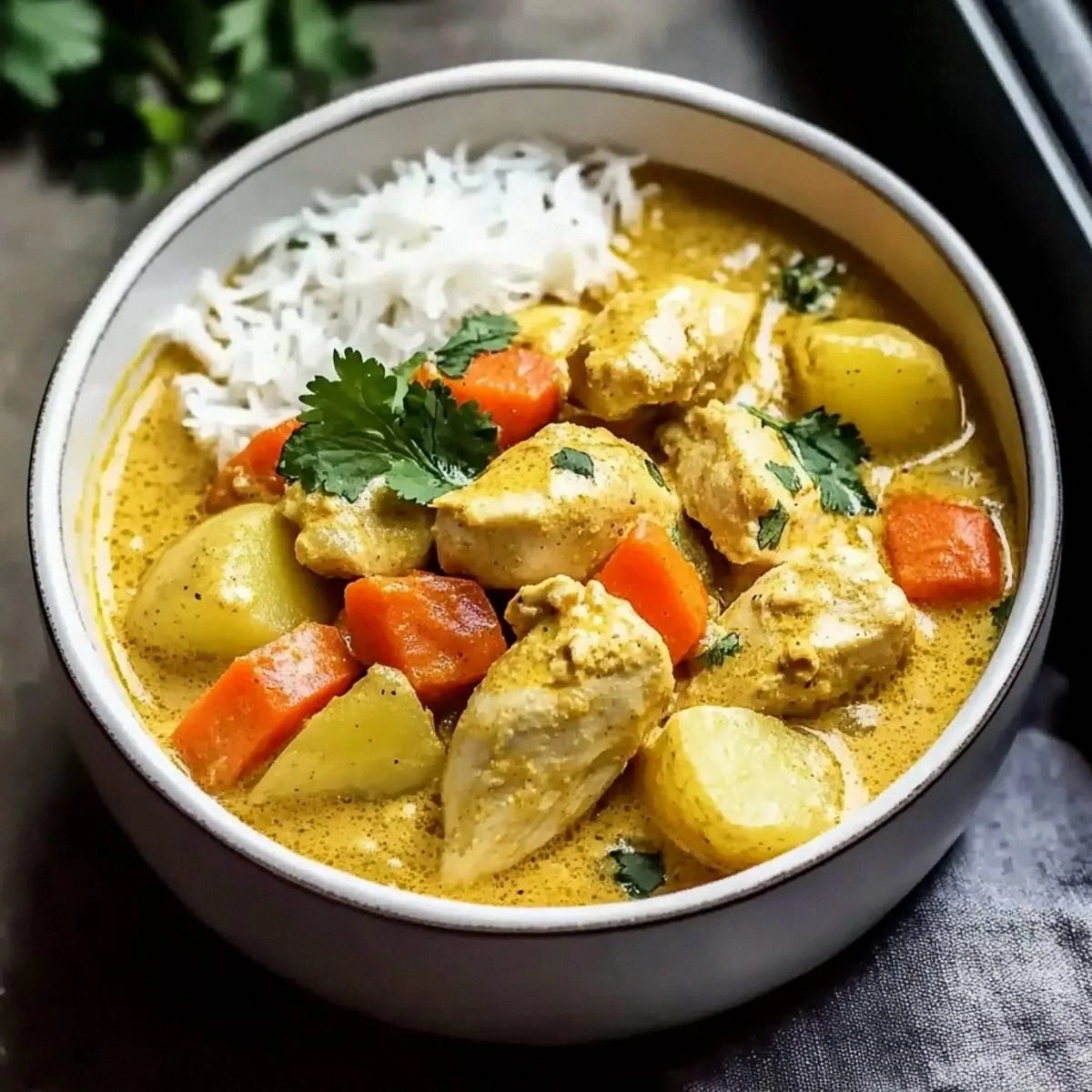
Picture this: I’m standing in my cramped kitchen, the timer on the stovetop ticking like a nervous drummer, and the entire apartment smells like a tropical market after a rainstorm. I had just burned a batch of store‑bought curry that tasted like cardboard and regret, and my roommate dared me to make something that would actually make us forget the existence of bland takeout. I accepted the challenge, because honestly, who doesn’t love a good culinary showdown? The result? A bowl of golden, velvety yellow curry that clings to each grain of rice like a warm, buttery hug and makes you question every other comfort food you’ve ever known. I’m about to spill every secret, from the exact moment the curry paste hits the pan to the final drizzle of sriracha that turns this dish from good to unforgettable.
The first bite is a symphony of flavors that hits you like a well‑orchestrated jazz solo—bright citrus notes from lime, deep umami from fish sauce, and a gentle heat that whispers rather than shouts. You’ll hear the gentle hiss of oil as it embraces the onions, feel the weight of the chicken thighs as they brown, and see the curry turn a rich, sunrise‑gold that makes your kitchen look like a sunrise over a Thai beach. The aroma alone could convince a skeptic to become a lifelong fan; it’s the kind of smell that makes you pause whatever you’re doing and just stare at the pot, inhaling like a child at a birthday cake. And the texture? Silky coconut milk swirls with a subtle starch‑thickened body, giving each spoonful a luxurious mouthfeel that’s both comforting and exciting.
Most recipes out there either skimp on the depth of flavor or drown the dish in a sea of coconut, leaving you with a one‑note experience. This version stands out because it balances the sweet, salty, sour, and spicy in perfect harmony, and it does so without a mountain of hard‑to‑find ingredients. The secret weapon? Freshly grated ginger that’s added at just the right moment, and a splash of lime juice at the end that brightens everything like a spotlight on stage. I also discovered that a tiny amount of brown sugar can tame the heat while enhancing the natural sweetness of the potatoes, turning them into buttery clouds that melt in your mouth.
Now, I’m not just throwing together random ingredients; every component has a purpose, and I’m going to explain why each one matters. You’ll learn how to pick the best chicken breasts, why gold potatoes are the star of the show, and how to get that perfect curry paste caramelization without burning it. I’ll even share a little hack that will make your sauce cling to the rice like a second skin—trust me, you’ll want to use it every time you make a sauce. So buckle up, because the journey from raw ingredients to that glorious, spoon‑ready bowl is about to begin, and I promise you’ll never look at yellow curry the same way again.
Let me walk you through every single step — by the end, you’ll wonder how you ever made it any other way.
What Makes This Version Stand Out
- Depth: The combination of fish sauce, lime, and ginger creates layers that unfold with each bite, unlike the one‑dimensional store‑bought versions that taste flat.
- Texture: The starch‑thickened coconut milk gives a creamy body while the potatoes stay tender yet firm, providing a delightful contrast to the chicken’s succulence.
- Simplicity: Only a handful of pantry staples plus a quality yellow curry paste are needed, making it doable for a weekday dinner without a grocery run.
- Uniqueness: Adding brown sugar at the end balances the heat and adds a subtle caramel note you won’t find in most recipes.
- Crowd Reaction: I dare you to taste this and not go back for seconds; even the most skeptical eaters will be asking for the recipe.
- Ingredient Quality: Using fresh ginger and garlic instead of powders ensures a bright, aromatic base that sings.
- Cooking Method: The step‑wise caramelization of the curry paste locks in flavor, a technique most shortcuts skip.
- Make‑Ahead Potential: This curry actually improves after a few hours as the flavors meld, making it perfect for meal prep.
Inside the Ingredient List
The Flavor Base
The foundation of any great curry starts with aromatics. Oil (2 tablespoons) is the medium that carries the heat and helps the onion, garlic, and ginger release their essential oils. Use a neutral oil like canola or grapeseed to let the spices shine. Onion (1 medium) provides sweetness once it softens; if you skip it, the curry will lack that subtle depth. Garlic (3 cloves) adds a pungent bite that mellows as it cooks, and Freshly Grated Ginger (1 tablespoon) contributes a bright, peppery zing that cuts through the richness of coconut milk. If you’re out of fresh ginger, a good quality powdered ginger can work, but the flavor won’t be as vibrant.
The Texture Crew
Boneless, Skinless Chicken Breasts (1 pound) are the protein star; they stay tender when cooked just right, and their mild flavor absorbs the curry beautifully. For a richer mouthfeel, you could swap half the chicken for thigh meat, but be careful not to overcook. Gold Potatoes (2 medium) bring a buttery texture that holds the sauce; their natural starch helps thicken the curry without needing extra flour. If you prefer a softer bite, dice them smaller so they break down a bit more. Carrot (1 medium) adds a subtle sweetness and a pop of color, balancing the heat from the curry paste.
The Unexpected Star
Yellow Curry Paste (3 tablespoons) is the heart of the dish. I recommend a brand that lists real spices first and avoids artificial flavorings; this ensures the paste delivers authentic depth. Fish Sauce (1 tablespoon) might sound intimidating, but it adds a salty umami that elevates the whole dish—think of it as the secret handshake of Southeast Asian cooking. Lime Juice (1 tablespoon) brightens the sauce at the end, preventing it from feeling heavy. Brown Sugar (2 tablespoons) is the silent hero that tames the heat and adds a caramel note, making the flavor profile more rounded.
The Final Flourish
Coconut Milk (1.5 cans) provides the luscious, creamy base; the fat content is crucial for carrying the spices and giving the sauce its silkiness. If you’re watching calories, opt for a light version, but expect a thinner consistency. Cornstarch (2 tablespoons) is mixed with a little water to create a slurry that thickens the curry without making it gummy—add it at the end for a glossy finish. Cooked Rice (2 cups) serves as the neutral canvas that soaks up the sauce; jasmine rice is ideal for its fragrant aroma. Finally, Fresh Cilantro and Sriracha are added to taste, offering a fresh herbaceous note and an optional heat boost for those who like it fiery.
Everything's prepped? Good. Let's get into the real action...
The Method — Step by Step
Heat 2 tablespoons of oil in a large, heavy‑bottomed pot over medium heat. When the oil shimmers, toss in the diced onion and a pinch of salt. That sizzle when it hits the pan? Absolute perfection. Cook, stirring occasionally, until the onion turns translucent and just starts to caramelize, about 5 minutes. This is the flavor foundation, so stay close and keep the heat steady.
Add the grated ginger and minced garlic (3 cloves) to the pot. Stir quickly; the aromatics will release their perfume in seconds.
Cook for another 2 minutes until you can smell the ginger’s citrusy bite. This step builds the aromatic base that will carry the curry’s depth.Kitchen Hack: If you’re worried about garlic burning, add it after the ginger has cooked for a minute, as ginger tolerates higher heat.Stir in 3 tablespoons of yellow curry paste. Let it fry for 2–3 minutes, stirring constantly, until the oil begins to separate from the paste and you see a deep, toasted aroma. This next part? Pure magic. If the paste starts to stick, deglaze with a splash of water or broth. The paste’s spices will bloom, releasing hidden layers of flavor.
Increase the heat slightly and add the chicken breast pieces, seasoned lightly with salt and pepper. Sear each side for about 2 minutes, allowing a golden crust to form. That crust? It locks in juices. Once the chicken is browned all over, reduce the heat to medium‑low.
Introduce the diced gold potatoes and carrot. Toss everything together so the vegetables coat in the fragrant curry paste. Cook for 4 minutes, letting the potatoes start to soften.
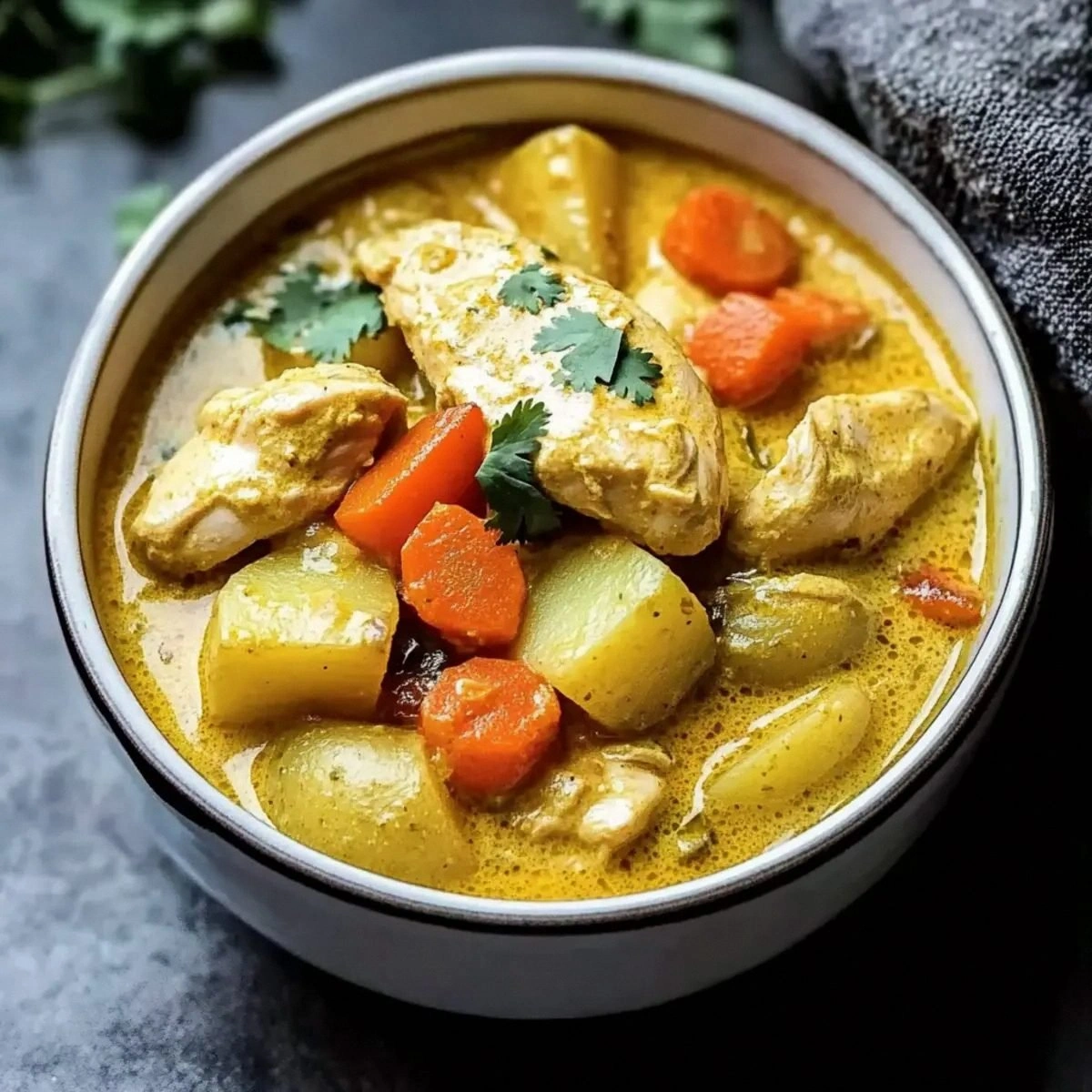
Watch Out: If you add the coconut milk too early, the potatoes may become mushy; they need a head start to hold their shape.Pour in 1.5 cans of coconut milk, stirring to combine. Bring the mixture to a gentle simmer; you should see tiny bubbles rising from the edges, not a rolling boil. Simmer for 10‑12 minutes, or until the potatoes are fork‑tender and the chicken is cooked through. The sauce will thicken naturally; if it looks too thin, let it reduce a bit longer.
Mix 2 tablespoons of cornstarch with 2 tablespoons of cold water to create a slurry. Slowly whisk the slurry into the simmering curry, watching the sauce turn glossy and slightly thicker. This is the moment of truth—if the sauce looks too thick, add a splash of water; if too thin, a bit more slurry.
Add 1 tablespoon each of fish sauce, lime juice, and brown sugar. Stir well and taste. Adjust seasoning: a pinch more fish sauce for depth, an extra splash of lime for brightness, or a touch more brown sugar if you crave sweetness. I’ll be honest — I ate half the batch before anyone else got to try it.
Turn off the heat and fold in the fresh cilantro, reserving a handful for garnish. Let the curry rest for 2 minutes; this allows the flavors to meld. Serve over 2 cups of hot cooked rice, and let each diner drizzle sriracha to taste. The final presentation should be a radiant yellow pool dotted with green cilantro and a hint of red heat.
That's it — you did it. But hold on, I've got a few more tricks that'll take this to another level...
Insider Tricks for Flawless Results
The Temperature Rule Nobody Follows
Most home cooks keep the heat at a steady medium, but the secret is to start high for searing and then drop to a gentle simmer. This prevents the chicken from overcooking while allowing the potatoes to soften evenly. I once tried a low‑and‑slow approach and ended up with soggy potatoes and bland chicken. The rapid temperature shift creates a caramelized crust on the meat and a glossy sauce that clings to the rice.
Why Your Nose Knows Best
Never rely solely on a timer—trust your senses. When the curry paste starts to release oil and smells nutty, you know it’s ready for the next step. If the aroma turns bitter, you’ve overcooked it; lower the heat immediately. I’ve found that the moment the sauce smells like toasted peanuts, the flavors have fully developed. This sensory checkpoint is more reliable than any clock.
The 5‑Minute Rest That Changes Everything
After you finish cooking, let the curry sit uncovered for five minutes. This short rest allows the starches in the potatoes to settle, preventing the sauce from becoming gummy. It also lets the cilantro release its essential oils without wilting too much. A friend once skipped this rest and complained the curry felt “flat.” Trust me, those five minutes are pure gold.
Balancing Heat Without Drowning the Dish
If you love spice but don’t want to overpower the delicate coconut base, add sriracha gradually at the table rather than mixing it in early. The heat will stay on the palate’s edge, letting the other flavors shine. I’ve experimented with fresh chilies, but they can make the dish unevenly hot. A dash of sriracha gives you control and a consistent heat profile.
Freezing Without Losing Creaminess
When you freeze leftovers, stir in a splash of coconut milk before reheating. This restores the sauce’s silkiness that can be lost during freezing. I once froze a batch and reheated it straight from the freezer; it turned grainy. Adding a bit of fresh coconut milk while warming brings it back to life, as if it never left the pot.
Creative Twists and Variations
This recipe is a playground. Here are some of my favorite ways to switch things up:
Vegetarian Victory
Swap the chicken for firm tofu cubes or chickpeas. The tofu absorbs the curry beautifully, and chickpeas add a nutty texture. Add a handful of snap peas for extra crunch and a splash of soy sauce for depth.
Seafood Splash
Replace the chicken with shrimp or firm white fish like cod. Add the seafood in the last 5 minutes of cooking to prevent overcooking. The sweet brine of shrimp pairs perfectly with the citrusy lime.
Spice‑Level Boost
Increase the curry paste to 4 tablespoons and add a sliced Thai bird’s eye chili. If you love smoky heat, a pinch of smoked paprika works wonders. Remember to taste as you go; you can always add more sriracha later.
Creamier Dream
Stir in a tablespoon of peanut butter or almond butter at the end for a nutty richness that thickens the sauce further. This twist gives the curry a Thai‑inspired “massaman” vibe without the extra spices.
Herb‑Infused Delight
Finish with a handful of fresh Thai basil or mint instead of cilantro. The herb adds a bright, aromatic lift that transforms the flavor profile. This works especially well if you serve the curry with a side of cucumber salad.
Storing and Bringing It Back to Life
Fridge Storage
Transfer the cooled curry to an airtight container and store in the refrigerator for up to 4 days. Keep the rice separate to avoid sogginess. When reheating, add a splash of coconut milk or water and stir gently over low heat.
Freezer Friendly
Portion the curry (without rice) into freezer‑safe bags or containers. It freezes beautifully for up to 3 months. Thaw overnight in the fridge, then reheat on the stove, adding a drizzle of coconut milk to restore creaminess.
Best Reheating Method
Place the curry in a saucepan over medium‑low heat, stirring occasionally. Add a tiny splash of water or coconut milk before reheating; the steam will revive the sauce’s silky texture. Avoid microwaving at high power, as it can cause the sauce to separate.