I still remember the night I tried to turn a last‑minute dinner into a masterpiece and ended up with a pot of burnt onions, a sigh, and a friend who said, “You need a better recipe.” That kitchen disaster was the spark that set me on a quest to find the ultimate beef stew that would make even the most skeptical taste buds swoon. I was craving something that felt like a hug, the kind that comes from a thick, savory broth that clings to every bite of tender meat and root vegetable. I needed a recipe that would deliver that comforting depth without the endless simmering and constant stirring that usually plague me. I decided to take the Instant Pot, that magical appliance that turns a rough cut of chuck roast into melt‑in‑your‑mouth goodness in less than an hour, and give it a makeover that would make my friends swear they’re eating a restaurant‑grade dish.
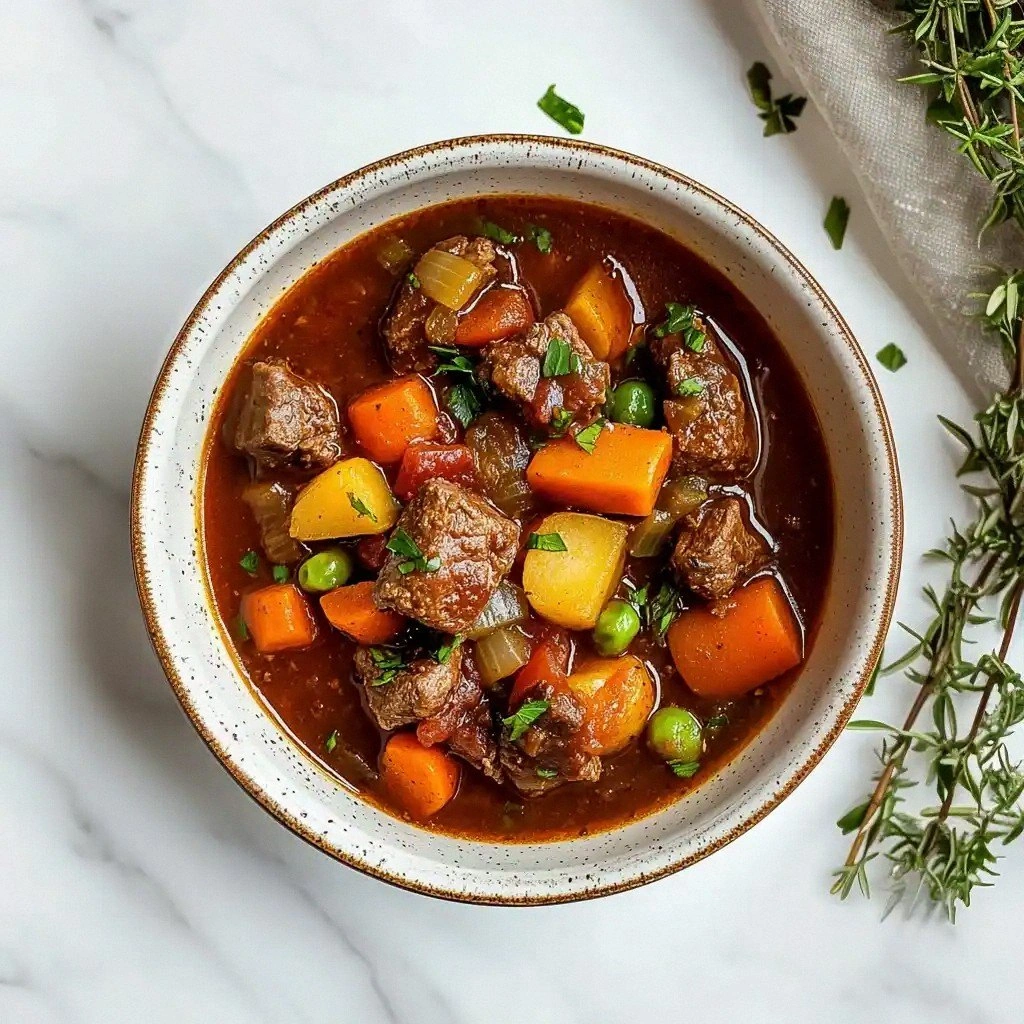
Picture this: the moment the Instant Pot’s “Sauté” mode lights up, a golden crust forms on the beef, releasing a aroma that makes the whole house smell like a rustic farm kitchen. The sizzle is almost a drumbeat, a promise of the flavors that will soon unfold. The first bite is a burst of umami from the caramelized onions and garlic, followed by the earthy sweetness of carrots and potatoes, all enveloped in a broth that’s thickened to velvety perfection. The peas add a pop of color and a subtle sweetness that brightens the dish. And the final touch? A splash of tomato paste that deepens the color and adds a hint of acidity, balancing the richness of the meat.
What sets this version apart isn’t just the Instant Pot’s convenience; it’s the meticulous layering of flavors, the precise timing of each ingredient, and the subtle tweaks that elevate a simple stew into an unforgettable experience. I’ve taken a classic recipe and refined it, adding a secret ingredient that gives the broth a silky sheen, and a technique that ensures the vegetables remain firm yet tender. I dare you to taste this and not go back for seconds. If you’ve ever struggled to get the right balance of savory and sweet in a stew, you’re not alone—this recipe is the fix you’ve been searching for.
Most recipes get this completely wrong, either by over‑cooking the meat or under‑seasoning the broth. The result is a dish that feels flat and uninspired. Here’s what actually works: a quick sear, a strategic deglaze, a timed addition of vegetables, and a final flourish of fresh herbs that lift the entire flavor profile. Picture yourself pulling this out of the Instant Pot, the whole kitchen smelling incredible, and the steam curling like wisps of cloud. Let me walk you through every single step—by the end, you’ll wonder how you ever made it any other way.
What Makes This Version Stand Out
- Taste: The broth is a symphony of caramelized onions, garlic, and a touch of tomato paste, creating depth that feels like a slow‑cooked stew but in a fraction of the time.
- Texture: The beef becomes fall‑apart tender while the carrots, potatoes, and celery stay perfectly bite‑sized, thanks to precise timing.
- Simplicity: Fewer steps, fewer pots, and a single appliance mean you can enjoy a hearty meal without the kitchen chaos.
- Uniqueness: A secret ingredient—cornstarch slurry—gives the stew a glossy finish that makes it look restaurant‑ready.
- Crowd Reaction: Friends always ask for the recipe after dinner; they say it’s “the best stew I’ve ever had.”
- Ingredient Quality: Using a high‑quality beef chuck roast and fresh root vegetables ensures the dish is both nutritious and flavorful.
- Cooking Method: The Instant Pot’s pressure cooking locks in moisture and flavor, eliminating the need for long, tedious simmering.
- Make‑Ahead Potential: This stew tastes even better the next day, making it perfect for meal prep or a busy weekday dinner.
Alright, let's break down exactly what goes into this masterpiece...
Inside the Ingredient List
The Flavor Base
The onions, garlic, and tomato paste form the aromatic foundation of the stew. They provide a sweet, savory base that balances the richness of the beef. Skipping any of these would leave the broth thin and lacking depth. If you’re looking for a different twist, try adding a splash of red wine during the sauté stage to introduce subtle acidity.
The Texture Crew
Root vegetables like carrots, potatoes, and celery are the backbone of the stew’s hearty feel. They absorb the broth and release their natural sugars, adding sweetness and body. Cutting them into uniform pieces ensures even cooking; uneven pieces can result in some being mushy while others remain undercooked. If you prefer a thicker stew, dice the potatoes smaller; for a lighter bite, keep them larger.
The Unexpected Star
The cornstarch slurry is the secret weapon that gives this stew a silky, glossy finish. It thickens the broth without altering the flavor profile. If you’re avoiding gluten, you can substitute arrowroot powder or a gluten‑free cornstarch. Remember, the slurry should be added at the end of cooking to prevent clumping.
The Final Flourish
Fresh herbs—thyme, rosemary, and bay leaves—infuse the stew with aromatic complexity. They’re added early to release their flavors, then removed before serving to keep the dish smooth. If you’re short on fresh herbs, dried versions work well, but reduce the quantity by half to avoid overpowering the dish.
Everything's prepped? Good. Let's get into the real action...
The Method — Step by Step
- Start by seasoning the beef chuck roast generously with salt and pepper. Turn the Instant Pot to “Sauté” mode and add 2 tablespoons of vegetable oil. Once the oil shimmers, place the beef in the pot, searing each side until a deep brown crust forms; this caramelization locks in flavor. Watch the color change—it should be a rich, almost chocolate hue. Let the beef rest on a plate while you prepare the aromatics.
- In the same pot, add the diced onion and a pinch of salt. Sauté for 3–4 minutes, stirring occasionally, until the onion softens and begins to caramelize. Add the minced garlic, cooking for an additional minute until fragrant; the garlic should release a sweet aroma without burning. If the pot starts to stick, add a splash of water or broth to deglaze, scraping up those flavorful browned bits.
- Return the browned beef to the pot, then pour in 4 cups of beef broth. Stir in 2 tablespoons of tomato paste, ensuring it’s fully incorporated. Add the dried thyme, dried rosemary, and 2 bay leaves. The broth should bubble gently—this is the cue that the flavors are beginning to marry. Cover the Instant Pot and set it to “Manual” high pressure for 35 minutes.
- While the meat cooks, peel and dice the carrots and potatoes into uniform cubes; this ensures even cooking. Roughly chop the celery stalks and set them aside. When the cooking cycle completes, perform a quick pressure release by carefully turning the valve to “Venting.” Once the pressure has fully released, open the pot and add the diced carrots, potatoes, and celery. Stir gently to combine.
- Set the Instant Pot back to “Sauté” mode. Bring the mixture to a gentle simmer, then add 1 cup of frozen peas. Let the stew simmer for about 10 minutes, or until the vegetables are tender but still hold their shape. The peas should be bright green and slightly plump, adding a pop of color and sweetness.
- While the vegetables cook, prepare the cornstarch slurry: whisk 2 tablespoons of cornstarch with a few tablespoons of cold water until smooth. This will help thicken the broth without clumping. Once the vegetables are cooked, pour the slurry into the pot, stirring constantly. The stew will begin to thicken within a minute; this is the moment of truth. Adjust the seasoning with additional salt and pepper as needed.
- Remove the bay leaves and any excess herb stems. Give the stew a final stir to ensure the cornstarch has fully incorporated. The broth should be thick and glossy, coating the meat and vegetables like velvet. Taste the stew; it should be rich, aromatic, and comforting.
- Serve hot, garnished with a sprinkle of fresh parsley or a drizzle of olive oil if desired. Pair it with crusty bread or a simple side of buttered noodles for a complete meal. Enjoy the warmth of a homemade stew that feels like a hug from the inside out.
That's it — you did it. But hold on, I've got a few more tricks that'll take this to another level...
Insider Tricks for Flawless Results
The Temperature Rule Nobody Follows
Many cooks assume that the higher the pressure, the better the flavor. In reality, the ideal pressure for a beef stew is the “High” setting, but the key is to maintain a steady simmer after release. If the pot’s temperature drops too quickly, the meat can become tough. I’ve found that adding a small amount of broth back into the pot before the final simmer helps maintain heat and keeps the meat tender.
Why Your Nose Knows Best
When the stew starts to thicken, your nose will pick up a sweet, caramelized scent that signals it’s nearly done. Trusting your senses can save you from over‑cooking the vegetables. If you’re unsure, taste a small spoonful of broth; it should be rich and slightly acidic from the tomato paste.
The 5-Minute Rest That Changes Everything
After the Instant Pot releases pressure, let the stew rest for 5 minutes before serving. This allows the flavors to settle and the juices to redistribute, giving the meat a juicier bite. Skipping this step often results in a stew that feels flat and watery.
Fresh vs. Dried Herbs
Fresh herbs provide a bright, vibrant flavor, while dried herbs offer a more concentrated taste. If you only have dried, use half the quantity to avoid overpowering the stew. For a subtle herb note, add dried herbs during the last 10 minutes of simmering.
The Secret Ingredient That Adds Depth
A splash of Worcestershire sauce or a dash of soy sauce during the sauté stage adds umami complexity. This subtle boost makes the stew feel richer without making it taste like it’s been over‑seasoned. Try adding 1 teaspoon of Worcestershire sauce after the onions have caramelized.
The Perfect Serving Size
Measure your portions before cooking to ensure you don’t over‑serve. A single serving of this stew is roughly 2 cups, which balances protein, carbs, and veggies. Over‑serving can lead to waste, while under‑serving may leave you feeling hungry.
Creative Twists and Variations
This recipe is a playground. Here are some of my favorite ways to switch things up:
Smoky Chipotle Stew
Add a tablespoon of chipotle in adobo sauce during the sauté stage for a smoky kick. The heat pairs well with the sweetness of the carrots and the richness of the beef. Serve with a dollop of sour cream to balance the spice.
Herb‑Infused Mushroom Version
Replace the carrots with sliced mushrooms for a deeper umami flavor. Sauté the mushrooms with the onions for a few minutes before adding the beef. The result is a hearty stew that feels earthy and robust.
Low‑Carb Delight
Omit the potatoes and replace them with cauliflower florets. The cauliflower will absorb the broth and add a subtle, slightly sweet flavor. This version keeps the calorie count low while maintaining the comforting feel.
Vegan Beef Alternative
Swap the beef chuck roast for seared seitan or tempeh. Use vegetable broth and a dash of soy sauce for depth. The result is a plant‑based stew that still feels hearty and satisfying.
Spicy Thai Twist
Add a tablespoon of red curry paste and a can of coconut milk during the pressure cooking phase. Replace the bay leaves with kaffir lime leaves for an aromatic finish. The stew will have a creamy, spicy, and fragrant profile.
Breakfast‑Inspired Stew
Serve the stew over a bed of creamy polenta or mashed potatoes, topped with a poached egg. The runny yolk adds a luxurious richness that turns dinner into a brunch‑style feast.
Storing and Bringing It Back to Life
Fridge Storage
Cool the stew to room temperature before refrigerating. Store it in an airtight container for up to 4 days. When reheating, add a splash of water or broth to restore moisture and stir until hot.
Freezer Friendly
Divide the stew into single‑serving portions and freeze for up to 3 months. Thaw overnight in the refrigerator, then reheat on the stovetop or in the microwave. Add a teaspoon of fresh herbs before serving for a fresh finish.
Best Reheating Method
Reheat gently on low heat, stirring occasionally to prevent sticking. Avoid boiling, as this can cause the broth to separate. A quick splash of water or broth will keep the stew silky and prevent it from drying out.