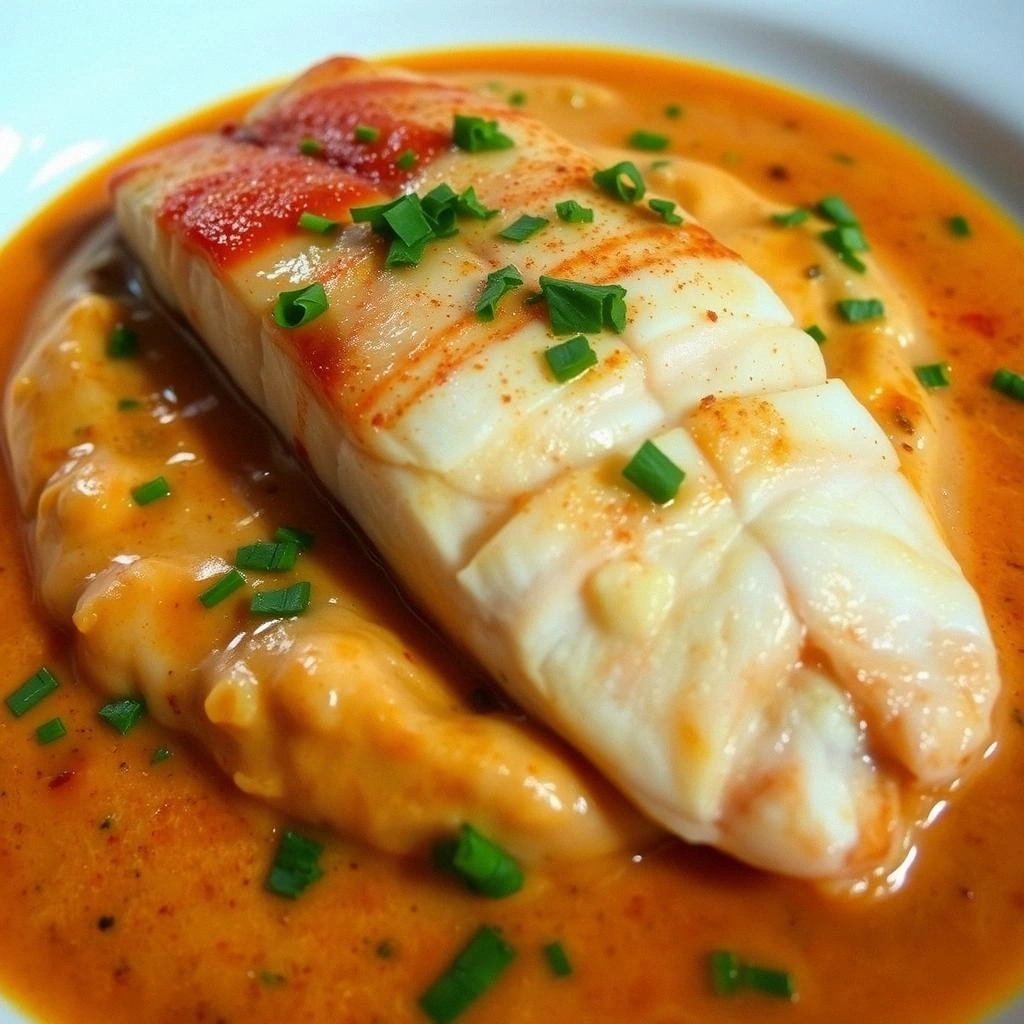
I still remember the first time I attempted to make red snapper in any kind of sauce. It was a comedy of errors: the fish stuck to the pan like it had taken a lifelong vow of adhesion, the sauce separated into an oily mess that looked like a failed science experiment, and my smoke alarm serenaded the entire neighborhood. Fast forward through three years of obsessive testing, and I'm here to tell you that I've cracked the code on what might be the most luxurious, restaurant-worthy red snapper you'll ever make at home. Picture this: tender, flaky red snapper fillets swimming in a velvety Creole sauce that's got just enough kick to make your taste buds dance, but not so much that it overwhelms the delicate sweetness of the fish.
The magic happens when you combine the briny sweetness of fresh red snapper with a sauce that's been layered with aromatics, tomatoes, cream, and that holy trinity of Creole cooking. The sauce coats each piece of fish like liquid velvet, creating this incredible contrast between the crispy seared exterior of the fish and the creamy, slightly spicy sauce. And here's the kicker — this isn't some all-day cooking project that requires culinary school training. We're talking about a dish that goes from fridge to table in under an hour, yet tastes like you spent the afternoon in a New Orleans kitchen with someone's grandmother whispering secrets in your ear.
What really sets this version apart is how we build the sauce in the same pan after searing the fish, letting all those beautiful browned bits (the fond, if you want to get technical) dissolve into pure flavor gold. The result is a sauce that's got depth for days — smoky, creamy, slightly tangy from the tomatoes, with just enough heat to keep things interesting. I dare you to taste this and not go back for seconds, maybe even thirds if you're feeling particularly indulgent. Let me walk you through every single step — by the end, you'll wonder how you ever made it any other way.
What Makes This Version Stand Out
Restaurant-Quality Texture: The sauce achieves that perfect consistency that professional chefs spend years mastering — thick enough to coat the back of a spoon, but never gloopy or heavy. It clings to the fish like it was custom-made for it, creating this luxurious mouthfeel that makes you close your eyes involuntarily when you take the first bite.
Balanced Heat: Most Creole recipes either blow your head off with cayenne or play it so safe they might as well be tomato cream soup. This version hits that sweet spot where the heat builds slowly, letting you appreciate all the other flavors before giving you a gentle reminder that you're eating something with a little attitude.
One-Pan Wonder: Everything happens in a single skillet, which means maximum flavor with minimum cleanup. The fish gets seared first, then the sauce builds in the same pan, picking up all those caramelized bits that would otherwise get washed down the drain.
Foolproof Fish: No more overcooked, rubbery fish disasters. This method ensures your red snapper stays moist and flaky, with crispy edges that shatter like thin ice when you cut into them. The timing is so precise that even if you get distracted by a text message, you've got a buffer zone built in.
Make-Ahead Magic: The sauce actually tastes better if you make it a day ahead, letting all those complex flavors meld together overnight. When you're ready to serve, just reheat gently and sear fresh fish — dinner party perfection without the last-minute panic.
Ingredient Flexibility: Can't find red snapper? This sauce plays nice with halibut, grouper, even chicken if you're feeding someone who thinks they don't like fish. The technique stays the same, the results stay spectacular.
Leftover Transformation: Any extra sauce becomes liquid gold for tomorrow's pasta, rice, or even as a dipping sauce for crusty bread. I've been known to eat it cold from the fridge at midnight, standing in front of the open door like some kind of sauce vampire.
Inside the Ingredient List
The Flavor Foundation
The holy trinity of Creole cooking — onions, celery, and bell pepper — forms the aromatic backbone that makes this sauce sing. Each vegetable brings its own personality to the party: the onions provide sweetness and body, the celery adds a subtle bitterness that balances the richness of the cream, and the bell pepper contributes a grassy, slightly sweet note that makes the sauce taste fresh and alive. Dice them small and even, because nobody wants to bite into a huge chunk of raw onion when they're expecting a harmonious blend of flavors. These vegetables need to cook low and slow until they're soft and translucent, releasing their natural sugars and creating a flavor base that'll make your kitchen smell like you've been transported to the French Quarter.
The Protein Powerhouse
Red snapper isn't just any fish — it's the sweet, mild-flavored treasure of the Gulf that takes on flavors like a culinary chameleon while still maintaining its own identity. When selecting your fish, look for fillets that are firm to the touch with a translucent appearance and a fresh, ocean-like smell (never fishy or ammonia-like). The skin should be shiny and metallic, not dull or slimy. If you can't find red snapper, don't panic — grouper, halibut, or even sea bass will work beautifully, though each brings its own subtle character to the dish. The key is getting fresh, never-frozen fish if possible, because the texture of previously frozen fish can turn mushy in the sauce, and nobody wants fish that disintegrates faster than their willpower at a dessert buffet.
The Creamy Dream Team
Heavy cream provides the luxurious body that transforms this from a simple tomato sauce into something worthy of a white tablecloth restaurant, but the real magic happens when you add just a touch of cream cheese at the end. This creates a sauce that's stable and glossy, never grainy or broken, even if you accidentally let it boil (though please don't test this theory). The fat content in the cream carries all the other flavors, creating a harmonious blend where no single element dominates. If you're feeling particularly indulgent, swap out half the cream for creme fraiche — it adds a subtle tang that makes the sauce taste like it's been simmering for hours, even though it's been less than thirty minutes. Just remember that dairy can be temperamental, so keep the heat gentle and your whisk handy.
The Spice Rack Superstars
Paprika isn't just for color — the sweet, smoky variety we're using here adds depth and complexity that makes people ask "what's in this sauce?" in the best possible way. The cayenne provides that signature Creole heat, but we're using it judiciously because we want flavor, not a mouth-numbing experience. Thyme brings an earthy, slightly minty note that plays beautifully with the fish, while the bay leaf adds a subtle bitterness that keeps the sauce from becoming too rich. Don't even think about using pre-ground black pepper — freshly cracked is the only way to go, and yes, your taste buds can absolutely tell the difference. These spices need to bloom in the hot oil before you add the liquids, releasing their essential oils and creating a flavor foundation that'll make you wonder why you ever used jarred spice blends.
The Method — Step by Step
- Start by taking your fish out of the refrigerator 15 minutes before cooking — this isn't just chef nonsense, it ensures even cooking and prevents that dreaded cold center that makes you question your life choices. Pat each fillet meticulously dry with paper towels, pressing gently to remove every last bit of moisture. Season both sides generously with salt and let them sit while you prep your vegetables; this brief salt cure helps draw out excess moisture and seasons the fish all the way through. Heat a heavy-bottomed skillet (cast iron if you have it) over medium-high heat until a drop of water sizzles immediately on contact — this is crucial for achieving that golden crust that'll make you look like you know what you're doing.
- While your pan heats up, dice your onion, celery, and bell pepper into small, even pieces — think pea-sized, not huge chunks that'll make your sauce look like chunky salsa. Mince your garlic finely, but don't add it to the vegetables yet because garlic burns faster than your ex's new relationship. Measure out your spices into a small bowl because once you start cooking, there won't be time to fumble with multiple containers. That sizzle when the oil hits the pan? Absolute perfection. Swirl it around to coat the surface evenly, then gently lay your fish in the pan, skin-side down if it has skin, being careful not to crowd the pan or you'll steam instead of sear.
- Cook the fish undisturbed for 4-5 minutes until the edges turn opaque and the bottom develops a gorgeous golden crust — resist the urge to poke, prod, or otherwise harass the fish. When it's ready to flip, it'll release easily from the pan; if it's sticking, give it another minute. Flip carefully with a thin spatula and cook for another 2-3 minutes on the other side, then transfer to a plate and tent with foil. Don't worry if it's not cooked through yet — it'll finish cooking when we add it back to the sauce. Those browned bits stuck to the pan? That's pure flavor gold that we'll deglaze into the sauce.
- In the same pan (don't you dare wash it), reduce the heat to medium and add a bit more oil if needed. Toss in your diced vegetables and cook, stirring occasionally, until they're soft and translucent — about 5-6 minutes. They should smell sweet and aromatic, not like they're taking on color. Add the garlic and cook for just 30 seconds, until fragrant but not browned. Sprinkle in your spices and stir constantly for another 30 seconds to bloom them in the hot oil — your kitchen should start smelling like you've been transported to New Orleans during Mardi Gras.
- Pour in the crushed tomatoes and scrape up all those beautiful browned bits with a wooden spoon — this is where the magic happens. Add the chicken stock, bay leaf, and thyme, then bring to a gentle simmer. Let it bubble away for about 10 minutes, stirring occasionally, until it reduces slightly and the flavors meld together. The sauce should coat the back of your spoon but still be a bit loose since we'll add cream later. Taste and adjust the seasoning — it should be bright and tomato-forward at this stage.
- Reduce the heat to low and slowly pour in the cream, stirring constantly to prevent curdling. The sauce will transform from bright red to a gorgeous coral color that's so beautiful you'll want to paint your kitchen with it. Let it simmer gently for 2-3 minutes, but don't let it boil or the cream might separate and ruin your day. Add a pinch of sugar if the tomatoes are too acidic, and taste again — the sauce should be rich but balanced, with no single flavor dominating.
- Slide the fish back into the sauce, spooning some over the top to coat. Cover and let it simmer gently for 3-4 minutes until the fish is just cooked through — it should flake easily but still be moist. Remove from heat and let it rest for 2 minutes (this is crucial for the sauce to thicken slightly and the fish to finish cooking from residual heat). The sauce should be thick enough to coat the fish but still pourable — think heavy cream consistency, not pudding.
- Just before serving, stir in the butter one piece at a time, letting each piece melt completely before adding the next — this creates that glossy, restaurant-quality finish that makes people think you've got professional training. Remove the bay leaf (nobody wants to bite into that), and sprinkle with fresh parsley for color and freshness. Serve immediately over rice, mashed potatoes, or with crusty bread to soak up every last drop of that incredible sauce. And now the fun part — watch people's faces when they take their first bite and try to act casual about how good it is.
Insider Tricks for Flawless Results
The Temperature Rule Nobody Follows
Most home cooks don't realize that fish continues cooking after you remove it from heat, which is why so many people serve overcooked, rubbery fillets that could double as shoe leather. The secret is pulling your fish when it reaches 130°F in the thickest part — it'll climb to the perfect 140°F as it rests. If you don't have an instant-read thermometer, look for the flesh to turn opaque throughout but still have a slight translucence in the very center. The fish should flake when gently pressed with a fork but still offer some resistance. Trust me, once you nail this timing, you'll never serve dry fish again, and your dinner guests will think you've been secretly attending culinary school at night.
Why Your Nose Knows Best
Don't underestimate the power of aromatics — when your onions and celery hit the pan, they should smell sweet and inviting, not like they're taking on color. If they start browning too quickly, your heat is too high and you'll get bitter, burnt flavors that no amount of cream can hide. The garlic should perfume the air after just 30 seconds — if you smell it before that, it's burning. And here's a pro tip: if your kitchen doesn't smell like you want to bottle it and wear it as perfume, you're doing something wrong. The scent should make your neighbors jealous and delivery drivers linger at your door, hoping for an invitation to dinner.
The 5-Minute Rest That Changes Everything
After you add the fish back to the sauce, resist the urge to constantly check it or stir it like you're making soup. Let it rest off the heat for those crucial 2-3 minutes — the sauce will thicken slightly as it cools, and the fish will finish cooking gently from residual heat. This is when the flavors meld together into something greater than the sum of their parts. Cover the pan but don't seal it completely — you want some steam to escape so the sauce doesn't become watery. These few minutes of patience separate good home cooking from restaurant-quality results, and yes, it's absolutely worth the wait when you taste the difference.
Creative Twists and Variations
This recipe is a playground. Here are some of my favorite ways to switch things up:
The Seafood Medley Upgrade
Turn this into a proper seafood feast by adding shrimp, scallops, or even chunks of firm white fish along with the red snapper. Add quick-cooking seafood like shrimp during the last 3-4 minutes of cooking so they don't turn rubbery. Scallops should be seared separately and added at the very end to maintain their caramelized crust. The sauce is versatile enough to complement any seafood, and mixing proteins creates a restaurant-style presentation that'll make you look like a culinary rockstar. Just remember that different seafood has different cooking times, so add them strategically based on how long they need.
The Coconut Cream Dream
For a tropical twist that'll transport you straight to the Caribbean, swap out the heavy cream for full-fat coconut cream and add a teaspoon of Caribbean curry powder. The coconut adds a subtle sweetness that pairs beautifully with the natural sweetness of the red snapper, while the curry powder adds warmth without overwhelming heat. Add some diced mango or pineapple at the very end for a sweet contrast, and serve over coconut rice instead of plain white rice. This version is particularly stunning in the summer when you want something rich but not heavy.
The Spicy Cajun Version
If you like it hot (and I mean really hot), double the cayenne and add a diced jalapeño to the vegetable mix. Throw in some andouille sausage slices that you've browned separately, and finish with a dash of your favorite hot sauce. This version is not for the faint of heart — it'll make your nose run and your eyes water in the best possible way. Serve with extra hot sauce on the side for those who think they can handle the heat, and have plenty of cold beer ready to extinguish the fire.
The Light and Bright Mediterranean
For a lighter version that won't weigh you down, replace the heavy cream with Greek yogurt and add chopped olives, capers, and a handful of fresh herbs like dill and oregano. The yogurt adds tanginess while keeping things lighter, and the Mediterranean flavors complement the fish beautifully without overpowering it. Add some cherry tomatoes for extra freshness and color, and serve over orzo or with crusty bread for a meal that feels like summer in the Greek islands.
The Vegetarian Makeover
Believe it or not, this sauce is so good you can skip the fish entirely and still have an incredible meal. Use firm tofu that's been pressed and pan-fried until golden, or go all-in with vegetables like cauliflower steaks or portobello mushrooms. The sauce is rich enough that you won't miss the protein, and it's a great way to use up vegetables that are languishing in your fridge. I've served this to die-hard carnivores who didn't even notice the absence of meat — that's how good this sauce is.
The Breakfast-for-Dinner Remix
Here's where things get weird in the best possible way: serve the sauce over crispy potato hash with a poached egg on top. The rich sauce breaks and mingles with the runny egg yolk, creating this unctuous mixture that's pure comfort food. Add some smoked salmon or trout if you want to keep the seafood theme, or go full breakfast with some crumbled breakfast sausage. It's like having brunch for dinner, and honestly, who doesn't love that?
Storing and Bringing It Back to Life
Fridge Storage
The sauce stores beautifully in the refrigerator for up to 4 days in an airtight container, but here's the thing — store the sauce and fish separately if possible. The fish will continue to absorb the sauce and can become overcooked when you reheat it. If you've already combined them, no worries — just know that the fish might be slightly more cooked when you reheat it. Let everything cool completely before storing, and place plastic wrap directly on the surface of the sauce to prevent a skin from forming. The sauce might thicken considerably when cold — this is normal and actually makes it easier to reheat without separating.
Freezer Friendly
Here's where I need to be brutally honest: the fish doesn't freeze well once cooked — it'll become mushy and watery when thawed. But the sauce? Absolute freezer champion. Freeze the sauce in portion-sized containers for up to 3 months, and you'll have instant gourmet meals waiting for you on busy weeknights. Thaw overnight in the refrigerator, then reheat gently while you cook fresh fish. It's like having a restaurant-quality sauce on speed dial, and future you will be eternally grateful for the foresight. Just remember to label and date your containers unless you enjoy playing freezer roulette.
Best Reheating Method
Gentle is the name of the game here — no microwave blasts or high-heat scorching that'll turn your beautiful sauce into an oily mess. Reheat the sauce in a covered saucepan over low heat, stirring occasionally, until just warmed through. Add a splash of cream or stock to thin it out if needed, and taste for seasoning since flavors can dull in the refrigerator. If you're reheating fish, do it separately in a covered dish with a splash of the sauce in a 275°F oven until just warmed — about 8-10 minutes. Microwaving is the enemy of delicate fish, so resist the temptation unless you enjoy rubbery seafood that could bounce off the walls.