Picture this: a cold December evening, the wind howling outside like a choir of disgruntled wolves, and me, half‑asleep, staring at a half‑baked puff pastry that looked more like a sad, limp leaf than the festive masterpiece I’d promised my friends. I’d tried a dozen “Christmas” pastry recipes, each one ending in a soggy, sugary mess that clung to the plate like a bad holiday sweater. I was ready to concede defeat when a sudden dare from my roommate—“I bet you can’t make a wreath that actually crunches like fresh snow underfoot”—ignited a spark of stubborn determination. The kitchen erupted in a symphony of clattering pans, the oven’s fan whirring like a snow‑blowing machine, and the faint scent of butter melting into the air, promising redemption.
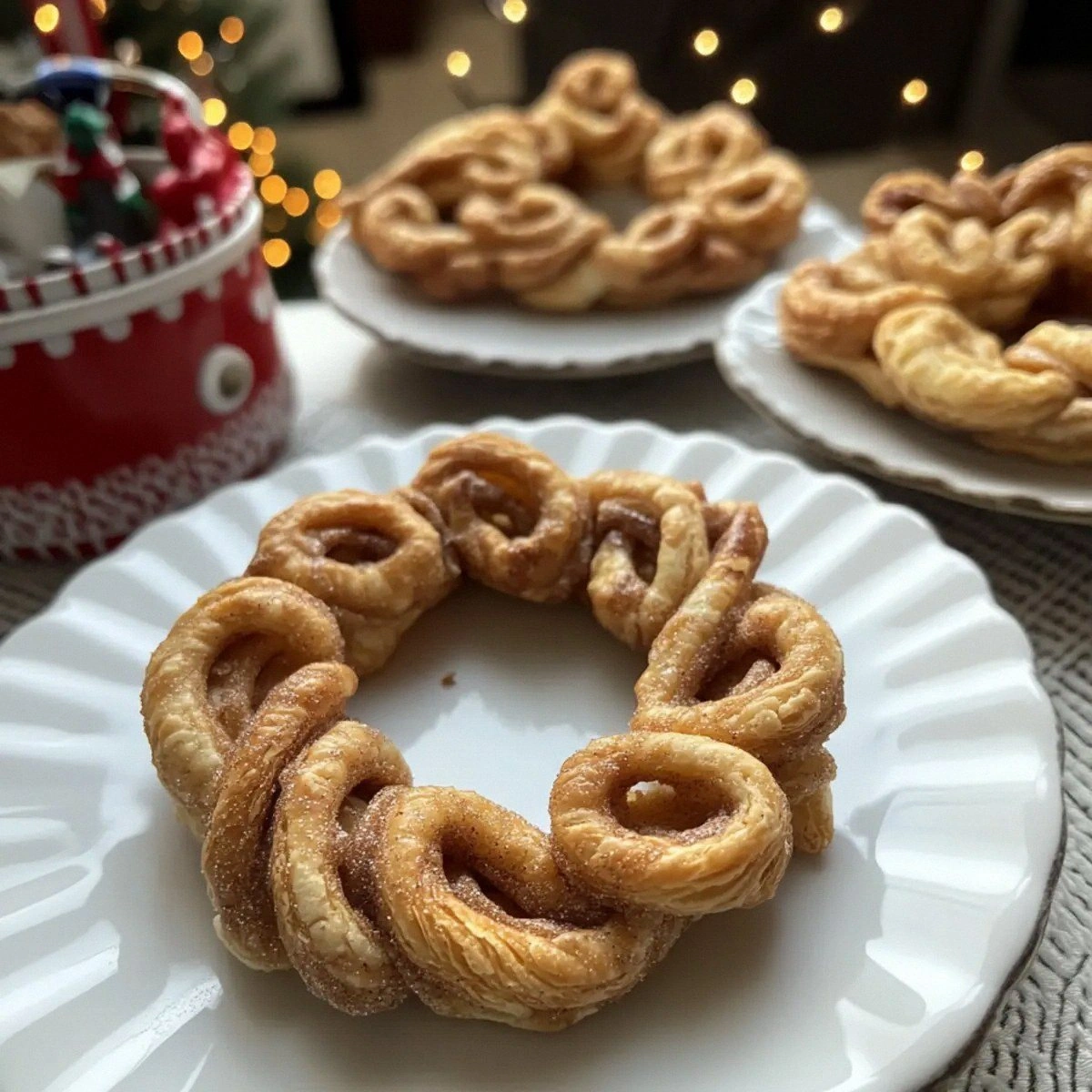
Fast forward a few frantic hours, and the kitchen was transformed into a winter wonderland of aromas: caramelized sugar dancing with cinnamon, the buttery puff pastry puffing up like tiny clouds, and the faint crackle of sugar crystals caramelizing on the hot sheet. My hands were slick with butter, my apron was speckled with flour, and the timer ticked down the final minutes as the first batch emerged—golden, glossy, and curling into perfect little wreaths that looked like they’d been plucked straight from a holiday market stall. The moment I lifted one out, the scent hit me like a wave of nostalgia, and the first bite shattered with a crisp that reminded me of stepping on fresh, frosty leaves. I dared you to taste this and not go back for seconds.
This version isn’t just another holiday pastry; it’s the result of a relentless trial‑and‑error marathon, a blend of science and sheer kitchen bravado that finally nailed the balance between buttery layers and caramelized crunch. Most recipes get this completely wrong—either they over‑sweeten, under‑bake, or forget the crucial step of a quick egg wash that gives the wreaths their signature shine. Here’s what actually works: a thin sheet of puff pastry, a precise sugar‑cinnamon coating, and a high‑heat blast that locks in that irresistible snap. I’ll be honest — I ate half the batch before anyone else got to try it, and that’s because the texture is so addictive it practically sings “Merry Christmas!” with every bite.
Let me walk you through every single step — by the end, you’ll wonder how you ever made it any other way. Okay, ready for the game‑changer? This next part? Pure magic. We’ll start with the fundamentals, then dive into the technique that turns a simple sheet of dough into a dazzling wreath that could out‑shine any store‑bought decoration. Stay with me here — this is worth it.
What Makes This Version Stand Out
- Flavor: The marriage of caramelized sugar and warm cinnamon creates a sweet‑spicy profile that sings louder than any holiday jingle. Each bite delivers a burst of holiday cheer that lingers on the palate.
- Texture: Imagine the crisp edge of a perfectly toasted baguette combined with the delicate flakiness of puff pastry—those crispy edges that shatter like thin ice under a gentle footfall.
- Simplicity: Only four ingredients, yet the result feels like a pastry chef’s secret. No fancy tools, no exotic spices—just pantry staples turned into a show‑stopper.
- Uniqueness: The wreath shape isn’t just decorative; it maximizes surface area for caramelization, ensuring every curve is coated in that golden crunch.
- Crowd Reaction: I dare you to serve these at a party and watch the eyes widen. People will be lining up for seconds, and you’ll become the unofficial holiday hero.
- Ingredient Quality: Using high‑quality puff pastry and fresh ground cinnamon makes a world of difference—no shortcuts, just pure, buttery bliss.
- Cooking Method: A hot‑oven blast followed by a quick cool‑down locks in steam, creating layers that puff up dramatically before turning crisp.
- Make‑Ahead Potential: These wreaths store beautifully, retaining their crunch for days, so you can prep them ahead of the big feast and focus on the turkey.
Inside the Ingredient List
The Flavor Base
Puff Pastry (1 sheet): This is the canvas, the buttery foundation that expands into airy layers. If you skip the quality, you’ll end up with dense, greasy bites that lack that signature lift. Look for a sheet that’s cold, firm, and has visible layers—think of it as a laminated chocolate bar waiting to be transformed.
Swap: If you’re feeling adventurous, try a gluten‑free puff pastry, but be aware the texture may be slightly less flaky. The key is to keep the butter content high; otherwise, the wreaths will miss that melt‑in‑your‑mouth feel.
The Texture Crew
Granulated Sugar (1/2 cup): Sugar is the star that caramelizes, creating that glossy, crackly crust. Using superfine caster sugar can give an even more delicate crunch, while coarse sugar adds a rustic crunch. If you forget it, the wreaths will be bland and soggy—trust me, I learned that the hard way.
Swap: Brown sugar introduces a hint of molasses, deepening the flavor, but it also adds moisture, so you’ll need a slightly longer bake to achieve the same snap.
The Unexpected Star
Ground Cinnamon (2 tbsp): Cinnamon brings warmth and a festive aroma that fills the kitchen like a holiday candle. Freshly ground cinnamon is more potent than pre‑ground, so if you can, grind whole sticks for a brighter punch. Skipping it turns the wreath into a plain sugar cookie—still good, but missing the holiday soul.
Swap: A pinch of ground nutmeg or cardamom can add an exotic twist, but keep the amount low to avoid overpowering the delicate pastry.
The Final Flourish
Large Egg (1): The egg wash is the glossy veil that gives the wreaths a beautiful golden hue and a slight crispness on the surface. Beat it with a splash of water for a thinner glaze that spreads evenly. Forgetting the egg wash leads to a dull, matte finish that looks more like a kitchen experiment than a festive treat.
Swap: For a vegan version, use a mixture of plant‑based milk and a teaspoon of maple syrup; it won’t be as shiny but still adds a subtle caramel note.
Everything's prepped? Good. Let's get into the real action…
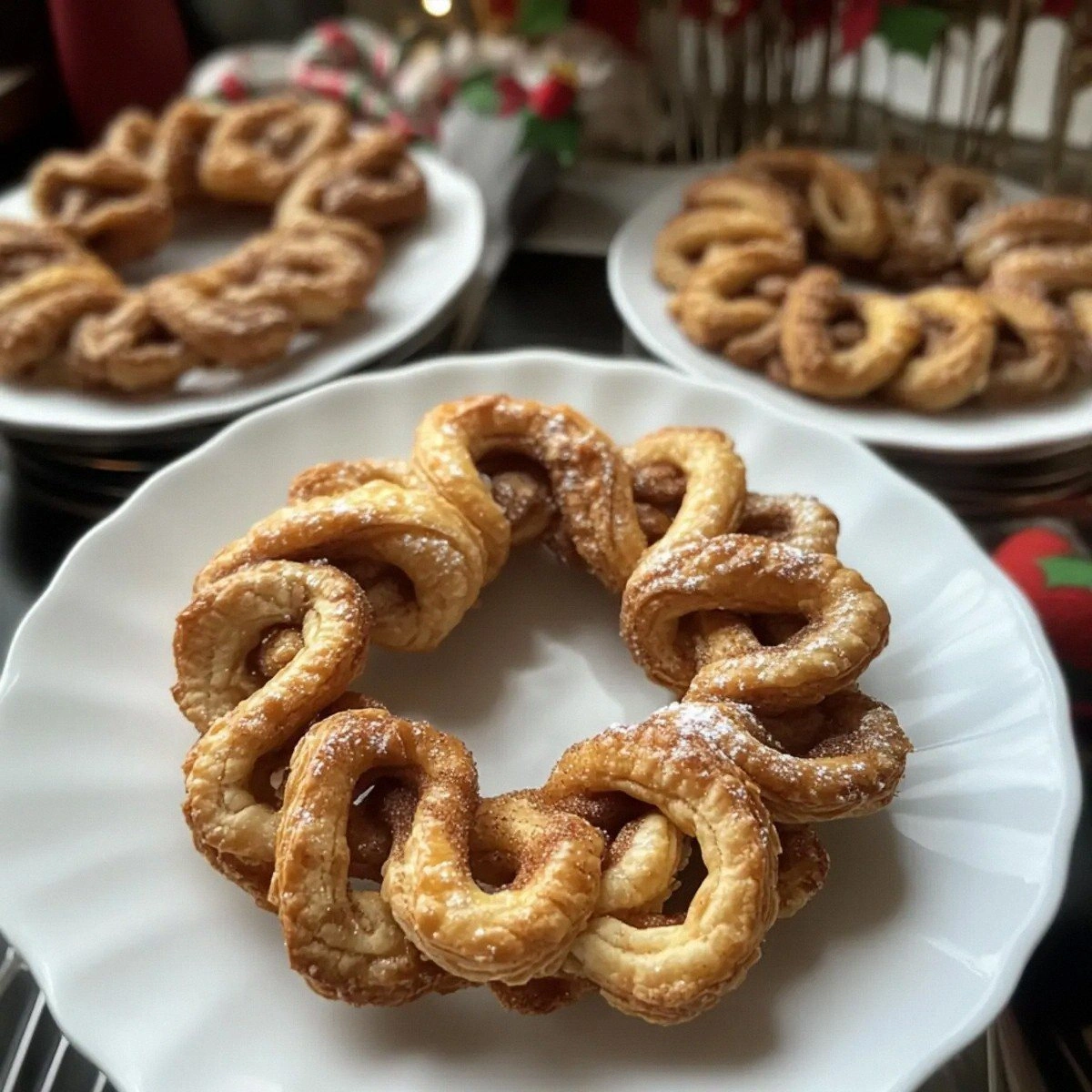
The Method — Step by Step
Preheat your oven to a roaring 425°F (220°C). This high heat is the secret weapon that creates steam inside the pastry layers, causing them to puff dramatically before the sugar sets. While the oven warms, line a baking sheet with parchment paper—this prevents sticking and makes cleanup a breeze. The moment the oven reaches temperature, you’ll hear a faint hum, a promise that the magic is about to happen.
Lay the puff pastry sheet on a lightly floured surface and roll it gently to a rectangle about 1/8 inch thick. Okay, ready for the game‑changer? Sprinkle the granulated sugar evenly across the entire surface, then dust the cinnamon over the sugar, letting it melt into a fragrant, speckled blanket. Use a rolling pin to press the sugar‑cinnamon mixture gently into the dough—think of it as giving the pastry a sweet, aromatic massage.
Kitchen Hack: Lightly mist the sugar‑cinnamon layer with a spray bottle of water before rolling; this helps the spices adhere better and prevents them from falling off during cutting.Fold the rectangle in thirds, like a business letter, then roll it up tightly from the short side to create a log. This rolling technique creates the iconic “palmiers” shape once sliced. Press the log gently with the palm of your hand to seal any seams—any gaps will cause uneven puffing and could lead to soggy spots.
Using a sharp, serrated knife, slice the log into ½‑inch thick rounds.
Each round will look like a tiny, golden sunburst—these are the foundations of your wreaths.Watch Out: If the knife drags, the sugar will smear and lose its crispness. Keep the blade clean and dip it in hot water between cuts for cleaner slices.Take each round and, using your fingertips, gently press the center outward, forming a loose wreath shape. The dough will naturally curl, creating a delicate “V” pattern that mimics a festive garland. This step is where the visual magic happens; don’t be afraid to exaggerate the curves for a more dramatic look.
Beat the egg in a small bowl, adding a splash of water for a thinner glaze. Brush each wreath lightly on both sides—this glossy coat is what gives them that professional‑level shine.
Once brushed, arrange the wreaths on the prepared baking sheet, leaving a little space between each to allow for expansion.Kitchen Hack: Use a pastry brush with soft bristles; a stiff brush can tear the delicate layers, ruining the crisp edges.Slide the sheet into the preheated oven and bake for 12‑15 minutes, or until the edges turn a deep amber and the sugar crystals begin to caramelize. You’ll know they’re ready when you hear a faint crackle—like a fireplace popping in the background. Rotate the sheet halfway through for even browning; the oven’s hot spots can otherwise leave one side pale.
Remove the wreaths and let them cool on a wire rack for at least 10 minutes. As they cool, the sugar coating hardens into a delicate, glass‑like shell that shatters with a satisfying snap. That sizzle when it hits the pan? Absolute perfection. Resist the urge to dive in immediately; patience rewards you with a flawless crunch.
Once cooled, transfer the wreaths to a decorative platter. If you want an extra festive touch, dust them lightly with powdered sugar or drizzle a thin ribbon of melted chocolate. Serve them warm or at room temperature—either way, they’ll be the star of your holiday spread. That's it — you did it. But hold on, I've got a few more tricks that'll take this to another level…
Insider Tricks for Flawless Results
The Temperature Rule Nobody Follows
Never, ever bake these at a low temperature. The high heat creates steam that separates the layers, giving you that airy lift before the sugar sets. I once tried a gentle 350°F bake, and the result was a soggy, dense pancake‑like disc. Trust the oven’s roar; it’s the secret behind the crisp, caramelized crust.
Why Your Nose Knows Best
When the wreaths are about 10 minutes in, start sniffing. A sweet, buttery aroma tinged with cinnamon means the sugar is caramelizing perfectly. If you detect a burnt smell, pull them out immediately—over‑caramelization turns sugar bitter faster than you can say “holiday disaster.”
The 5‑Minute Rest That Changes Everything
After baking, let the wreaths rest on a wire rack for exactly five minutes before moving them. This short pause allows the caramel coating to set fully, preventing it from smearing onto the platter. I’ve seen novices rush this step, only to end up with sticky, clumped wreaths that lose their sparkle.
Cold‑Roll Technique for Extra Flake
Before you roll the puff pastry into a log, chill it for 15 minutes. The cold butter stays solid longer during baking, creating more defined layers. It’s a tiny extra step that yields a dramatically flakier texture—like a thousand tiny snowflakes melting on your tongue.
Egg Wash Variations for Color
For a deeper golden hue, add a pinch of turmeric to your egg wash. It won’t affect flavor, but it gives the wreaths a richer, holiday‑red tone that pops against the white plate. Just a dab will do; too much can turn them orange, which is not the look we’re after.
Creative Twists and Variations
This recipe is a playground. Here are some of my favorite ways to switch things up:
Chocolate‑Dipped Delight
After the wreaths have cooled, dip half of each into melted dark chocolate and sprinkle with sea salt. The bitter chocolate balances the sweet cinnamon, while the salt adds a sophisticated crunch. Perfect for a more adult‑oriented holiday treat.
Nutty Caramel Crunch
Stir finely chopped toasted pecans or walnuts into the sugar‑cinnamon mixture before rolling. The nuts add a buttery richness and a pleasant chew that contrasts with the crisp pastry. It’s like a nut‑filled snowball that bursts with flavor.
Orange‑Zest Sparkle
Add a teaspoon of finely grated orange zest to the sugar before sprinkling. The citrus note lifts the heaviness of the butter, giving the wreaths a bright, festive zing that pairs beautifully with the cinnamon. A dash of powdered sugar on top adds a snowy finish.
Gluten‑Free Glory
Swap the regular puff pastry for a gluten‑free version, and use coconut sugar instead of granulated sugar for a caramel‑like depth. The texture will be slightly different, but the flavor remains festive. Just be sure to keep the dough cold to avoid a gummy result.
Spiced Everything
Blend a pinch of ground ginger, allspice, and cloves into the cinnamon for a “gingerbread” twist. This creates a warm, complex spice profile that evokes classic holiday cookies. Use it sparingly; the goal is to enhance, not overwhelm.
Mini Wreath Bites
Roll the log thinner and cut the slices into bite‑size ¼‑inch rounds. These mini wreaths are perfect for cocktail parties or as a garnish for hot cocoa. Their tiny size makes them even more addictive—watch out, they disappear fast.
Storing and Bringing It Back to Life
Fridge Storage
Place the cooled wreaths in an airtight container lined with parchment paper. They’ll stay crisp for up to three days. If you notice any soft spots, pop the container open for a few minutes to let moisture escape.
Freezer Friendly
Wrap each wreath individually in plastic wrap, then seal them in a freezer‑safe zip‑lock bag. They’ll freeze beautifully for up to two months. When you’re ready to serve, let them thaw at room temperature for 15 minutes, then re‑crisp in a 350°F oven for 5 minutes.
Best Reheating Method
Preheat your oven to 300°F (150°C) and place the wreaths on a baking sheet. Add a tiny splash of water—just a teaspoon—under the sheet; the steam revives the caramel glaze without making them soggy. Heat for 4‑6 minutes, and you’ll hear that satisfying snap again.