Picture this: it’s a rainy Tuesday night, the kind where the clouds are so thick they feel like a blanket, and you’re staring at an empty pantry wondering if you can conjure something comforting out of the few cans and dry goods you have left. I was in that exact spot, half‑heartedly scrolling through recipes, when a friend dared me to “make a risotto that doesn’t taste like a boring grain mush.” I laughed, tossed a can of black beans into the pot, and the rest is a deliciously chaotic story that ends with a bowl of creamy, cheesy black bean risotto that could convert even the most stubborn meat‑eater. I dare you to taste this and not go back for seconds.
The moment the onions hit the pan, they sizzled like a tiny fireworks show, releasing a sweet, almost caramel‑like perfume that filled the kitchen and made my cat stare from the counter, eyes wide with curiosity. The broth, once simmering, whispered promises of depth, while the black beans added a midnight hue that turned the whole dish into a visual masterpiece—think velvet night sky dotted with tiny, buttery stars. When the rice finally reached that perfect al‑dente bite, the cheese melted in, creating a silk‑smooth coating that clung to each grain like a lover’s embrace. The final garnish of cilantro and a splash of lime gave it a bright, fresh pop that cut through the richness like a cool breeze on a hot day.
What makes this version stand out is the daring combination of textures and flavors: the creamy risotto base, the hearty bite of black beans, and the sharp, salty kick of cheddar paired with the nutty elegance of Parmesan. Most recipes get this completely wrong—either they drown the rice in cheese or they forget the beans entirely, leaving the dish flat and forgettable. Here, the beans are the unsung hero, adding protein, fiber, and an earthy depth that elevates the whole experience. And let’s not forget the secret weapon: a splash of white wine that adds a subtle acidity, keeping the richness from becoming cloying. I’ll be honest — I ate half the batch before anyone else got to try it, and that’s a testament to how addictive this dish truly is.
Okay, ready for the game‑changer? The technique that will make your risotto shine isn’t just about constant stirring; it’s about mastering the “liquid‑by‑liquid” approach, adding broth in measured, patient increments so the rice releases its starch gradually, creating that luxurious mouthfeel. Picture yourself pulling this out of the pot, the whole kitchen smelling incredible, steam rising like a curtain of applause. Let me walk you through every single step — by the end, you’ll wonder how you ever made it any other way.
What Makes This Version Stand Out
- Depth: The combination of black beans and smoked paprika gives the risotto an earthy, smoky backbone that you won’t find in ordinary versions.
- Creaminess: A duo of Parmesan and sharp cheddar creates a cheese veil that coats each grain like silk, ensuring every bite is decadently smooth.
- Texture: The beans add a pleasant, slightly firm bite, contrasting beautifully with the creamy rice for a multi‑dimensional mouthfeel.
- Simplicity: Despite the gourmet feel, the ingredient list is pantry‑friendly, and the technique relies on a few fundamental risotto rules.
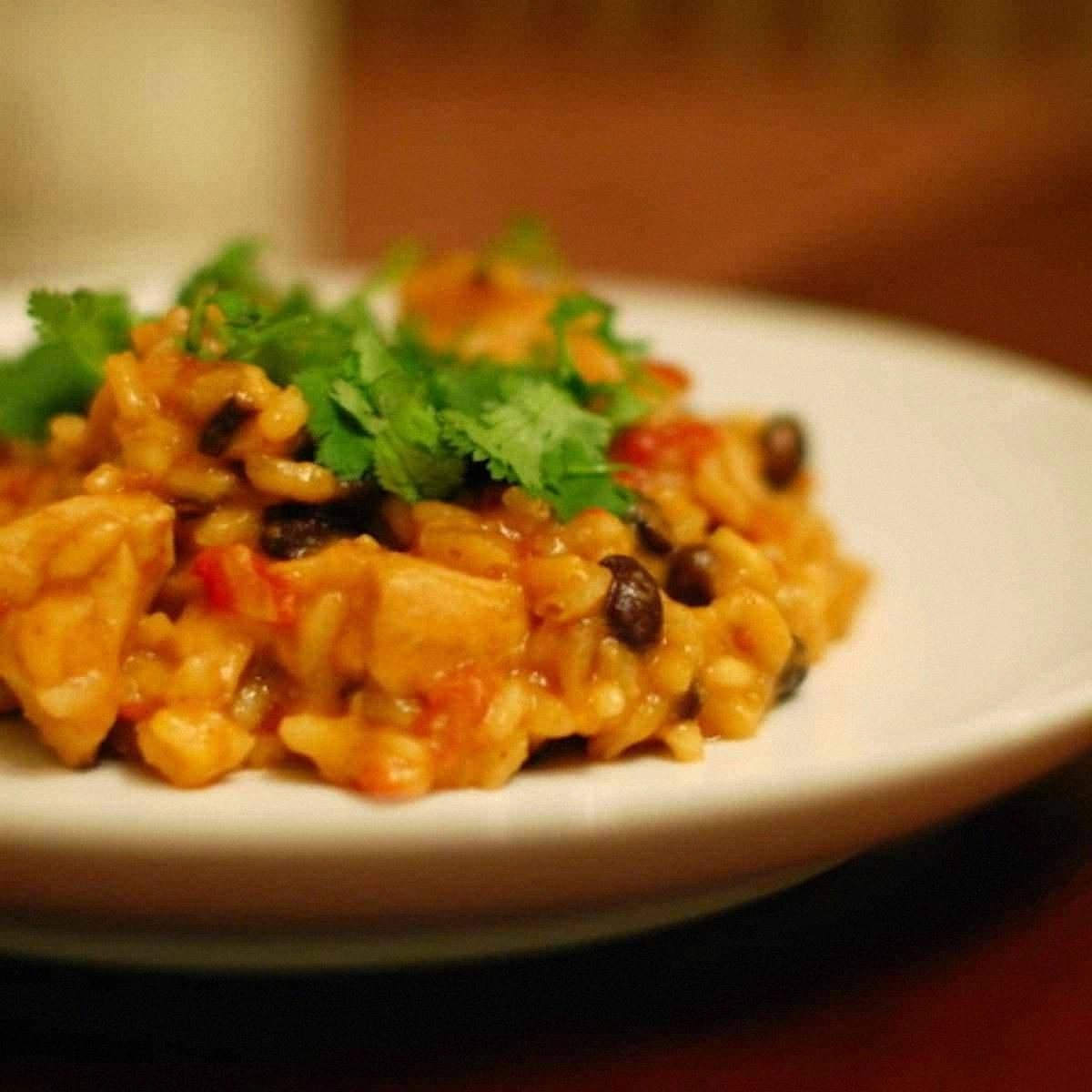
- Visual Appeal: The deep, inky black specks of beans against the creamy ivory rice make for a dish that looks as good as it tastes.
- Protein Boost: Black beans turn this from a side dish into a satisfying main, perfect for vegetarians and meat‑eaters alike.
- Make‑Ahead Friendly: You can prep the broth and bean mixture ahead of time, shaving minutes off the final cooking.
- Crowd Reaction: Guests often claim this is “the best risotto they’ve ever had,” and I’ve heard the same sentiment at three different dinner parties.
Inside the Ingredient List
The Flavor Base
Onion and garlic are the aromatic foundation, releasing sweet and pungent notes that form the backbone of any great risotto. The onion should be diced finely so it melts into the oil, creating a fragrant base that feels like a warm hug for the rice. If you skip the garlic, you lose that sharp, almost peppery bite that cuts through the richness—so don’t be shy about mincing it finely. A quick tip: sauté them in olive oil over medium heat until they’re translucent and just beginning to brown; that caramelization adds a subtle sweetness you’ll thank yourself for later.
The Texture Crew
Arborio rice is the star here, its high starch content releasing that coveted creamy coating as you stir. If you replace it with a short‑grain rice that lacks enough starch, the dish will turn watery and lose its luxurious texture. Black beans, drained and rinsed, bring a hearty bite and a protein punch, making the dish feel complete on its own. For the best texture, give the beans a quick blast in the broth before adding them to the rice; this infuses them with flavor and keeps them from feeling too firm.
The Unexpected Star
White wine might seem like a classic risotto move, but in this recipe it’s the secret acidity that balances the cheese and beans. The alcohol evaporates, leaving behind a bright, slightly fruity note that prevents the dish from feeling overly heavy. If you’re avoiding alcohol, swap the wine for an equal amount of extra broth with a splash of apple cider vinegar for a similar lift. The smoked paprika adds a whisper of smoky depth, turning the dish from simple to spectacular—don’t skimp on it.
The Final Flourish
Parmesan and cheddar work in tandem: Parmesan provides a nutty, umami richness, while cheddar adds a sharp, melt‑in‑your‑mouth creaminess. Grating the cheeses fresh ensures they melt evenly, creating that glossy finish. A final drizzle of lime juice brightens the whole plate, cutting through the richness like a burst of sunshine. Finish with chopped cilantro for a fresh herbaceous contrast that lifts the flavors and adds a pop of color.
Everything's prepped? Good. Let’s get into the real action…
The Method — Step by Step
Heat the olive oil and butter together in a heavy‑bottomed pot over medium heat. When the butter foams, add the diced onion and a pinch of salt, stirring constantly until the onion becomes translucent and starts to turn a soft golden hue. That sizzle when it hits the pan? Absolute perfection. This is the moment where the foundation of flavor is built, so stay with it and let the aromatics develop fully.
Drop in the minced garlic and smoked paprika, stirring for about 30 seconds until the garlic is fragrant but not browned. A quick “watch out” here: burning garlic will give a bitter edge that ruins the whole dish.
Watch Out: Keep the heat medium‑low; if the mixture starts to stick, add a splash of broth to deglaze and keep the flavors moving.Stir in the Arborio rice, coating each grain with the oil, butter, and aromatics. Toast the rice for 2‑3 minutes until it sounds slightly nutty; this step, known as “tostatura,” helps the rice absorb liquid more evenly, giving you that creamy texture later on.
Kitchen Hack: Use a wooden spoon to stir; it distributes heat better than metal and prevents the rice from sticking to the bottom.Pour in the white wine, stirring continuously until the liquid is almost completely absorbed. You’ll notice a subtle steam rising—a sign that the alcohol is evaporating, leaving behind a bright, slightly fruity note that will balance the cheese later.
Begin adding the hot vegetable broth, one ladleful at a time. Wait until each addition is mostly absorbed before adding the next. This gradual process should take about 18‑20 minutes. The rice will swell, the edges will start pulling away from the pot, and the mixture will become glossy and thick. Keep the heat at a gentle simmer; a rolling boil will scorch the bottom.
When the rice is just shy of al‑dente (you should still feel a slight bite in the center), stir in the black beans, letting them warm through. Their dark specks will swirl through the creamy rice, creating a visual contrast that’s as satisfying to the eyes as it is to the palate.
Turn off the heat and immediately fold in the grated Parmesan, shredded cheddar, and lime juice. The residual heat will melt the cheeses into a glossy, velvety sauce that clings to every grain. Taste and adjust seasoning with salt, pepper, and a final squeeze of lime if you crave more brightness. The dish should feel rich yet balanced, with the cheese coating the rice like a luxurious blanket.
Fun Fact: The combination of Parmesan and cheddar creates a flavor synergy called “flavor pairing,” where the umami of Parmesan amplifies the sharpness of cheddar, resulting in a richer taste profile.Finish with a generous handful of chopped cilantro, giving the dish a fresh, herbaceous lift. Let the risotto rest for a minute; this allows the flavors to meld and the texture to settle into that perfect, spoon‑coating consistency. Serve immediately, garnished with an extra sprinkle of cheese if desired. That final visual—creamy, speckled, and glistening—will make your guests stare in awe before they even take a bite.
That's it — you did it. But hold on, I've got a few more tricks that'll take this to another level...
Insider Tricks for Flawless Results
The Temperature Rule Nobody Follows
The key to a perfect risotto is a steady, gentle simmer. If the broth is too hot, the rice will cook unevenly, creating mushy spots; if it’s too cool, the starches won’t release properly, leaving the dish dry. Keep your stovetop on medium‑low, and if needed, adjust the flame so the broth barely bubbles. I once tried a high‑heat blast to “speed things up,” and the result was a gummy mess that clung to the bottom of the pan. Trust the slow dance—patience pays off.
Why Your Nose Knows Best
Don’t rely solely on a timer; let your senses guide you. When the broth is being absorbed, you’ll hear a gentle hiss, and the rice will emit a faint, toasted aroma. If you catch a sharp, burnt smell, you’re probably over‑cooking. I’ve found that the moment the edges start pulling away from the pot is the exact cue to check for doneness. Trust that nose of yours—it’s the best kitchen thermometer.
The 5‑Minute Rest That Changes Everything
After you’ve folded in the cheese and lime, cover the pot with a lid and let the risotto sit for five minutes. This short rest allows the starches to fully hydrate, giving the dish a silkier mouthfeel. Skipping this step is a common mistake that leads to a slightly grainy texture. I used to serve it straight out of the pan and got feedback that it was “a bit too thick.” The rest solves that instantly.
Cheese Balance Mastery
Using both Parmesan and cheddar creates depth, but the ratio matters. Too much cheddar can overwhelm the subtle earthiness of the beans; too much Parmesan can make it overly salty. The 1:1 split in this recipe hits the sweet spot, delivering a creamy richness without masking the beans. If you prefer a sharper bite, add an extra half‑cup of cheddar at the end, but keep the Parmesan steady.
Stirring Rhythm, Not Marathon
Constant stirring is a myth—what matters is consistent, gentle agitation. Stir in a clockwise motion for 30 seconds, then let the rice sit and absorb the broth for a minute before returning to the spoon. This rhythm prevents the rice from sticking while allowing the starches to release gradually. I once tried non‑stop stirring for 20 minutes straight and ended up with a soupy mess; the rhythm approach gives you that perfect, glossy finish.
Creative Twists and Variations
This recipe is a playground. Here are some of my favorite ways to switch things up:
Spicy Chipotle Kick
Swap the smoked paprika for 1 teaspoon of chipotle in adobo sauce, finely chopped. The smoky heat will add a bold, southwestern flair, perfect for serving with avocado slices. This variation pairs wonderfully with a crisp corn salad on the side.
Creamy Coconut Fusion
Replace half of the vegetable broth with full‑fat coconut milk and add a pinch of curry powder. The result is a tropical, slightly sweet risotto that pairs beautifully with lime zest and toasted coconut flakes. It’s a great option for a summer dinner party.
Protein‑Packed Chicken
Stir in shredded rotisserie chicken during the final minute of cooking. The chicken absorbs the creamy sauce, turning the dish into a hearty main course that satisfies meat‑lovers without sacrificing the vegetarian charm of the beans.
Mushroom Medley
Saute a mix of shiitake, cremini, and oyster mushrooms with the onions for an earthy, umami‑rich version. The mushrooms add a meaty texture that complements the beans, making the dish feel even more substantial.
Herb‑Infused Delight
Swap cilantro for fresh basil and add a handful of chopped parsley at the end. The herb combination brightens the dish, giving it a Mediterranean vibe that works well with a side of grilled vegetables.
Cheese‑Only Luxury
For the ultimate indulgence, double the cheese amounts and use a blend of Gruyère and smoked mozzarella. The result is a decadently gooey risotto that feels like a cheese lover’s dream, perfect for a special occasion.
Storing and Bringing It Back to Life
Fridge Storage
Transfer any leftovers to an airtight container and store in the refrigerator for up to three days. When reheating, add a splash of broth or water—about ¼ cup per serving—and gently stir over low heat until the risotto regains its creamy consistency. This prevents it from drying out and keeps the texture velvety.
Freezer Friendly
Portion the risotto into freezer‑safe bags or containers, leaving a little headspace for expansion. It freezes well for up to two months. To reheat, thaw overnight in the fridge, then warm gently on the stovetop with a bit of broth, stirring constantly until heated through.
Best Reheating Method
The stovetop method is the champion: place the risotto in a saucepan, add a tablespoon of water or broth per cup, cover, and warm over low heat while stirring. The added liquid creates steam that revives the rice’s creaminess, making it taste almost as fresh as the original. Microwaving is a quick fix, but it can make the texture uneven.