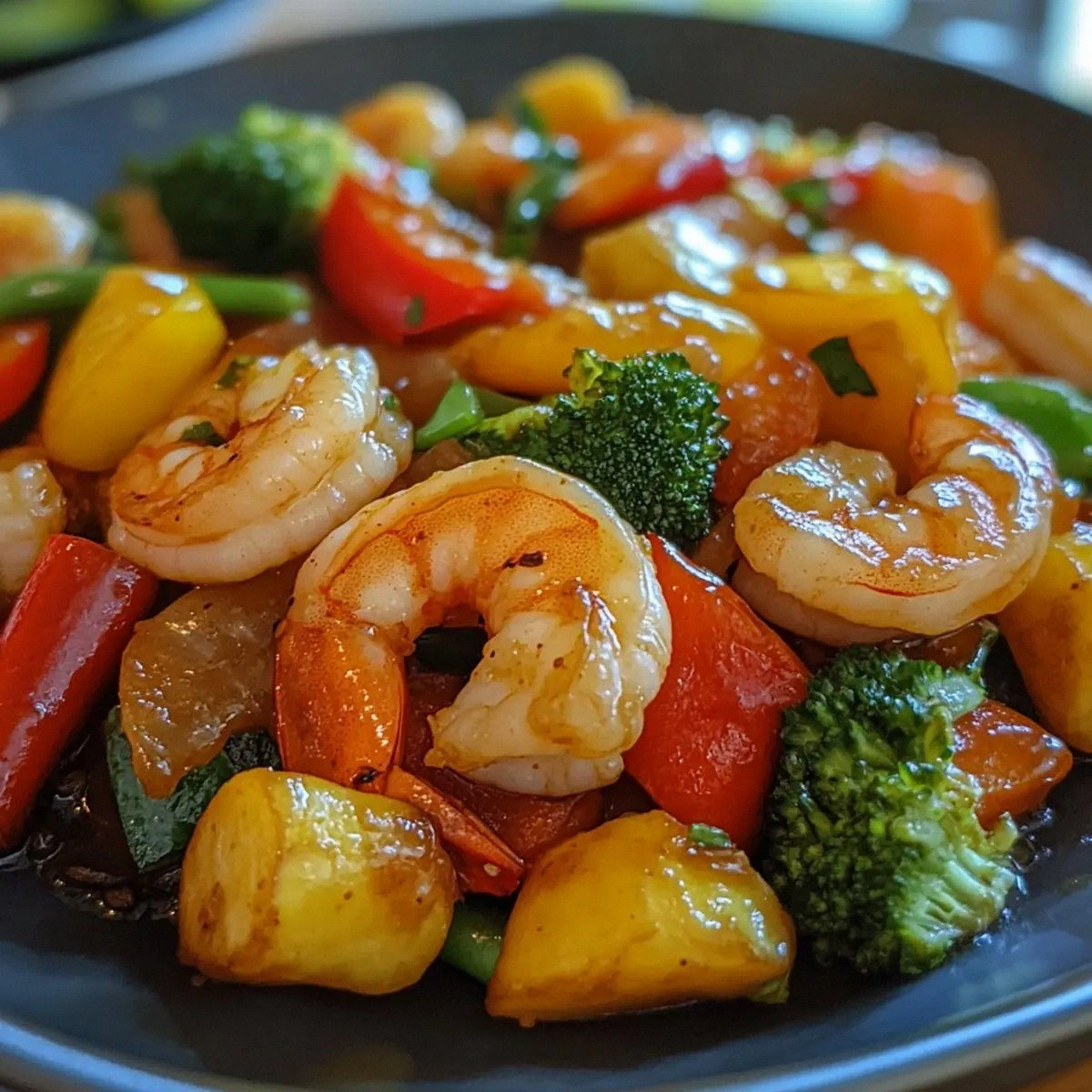
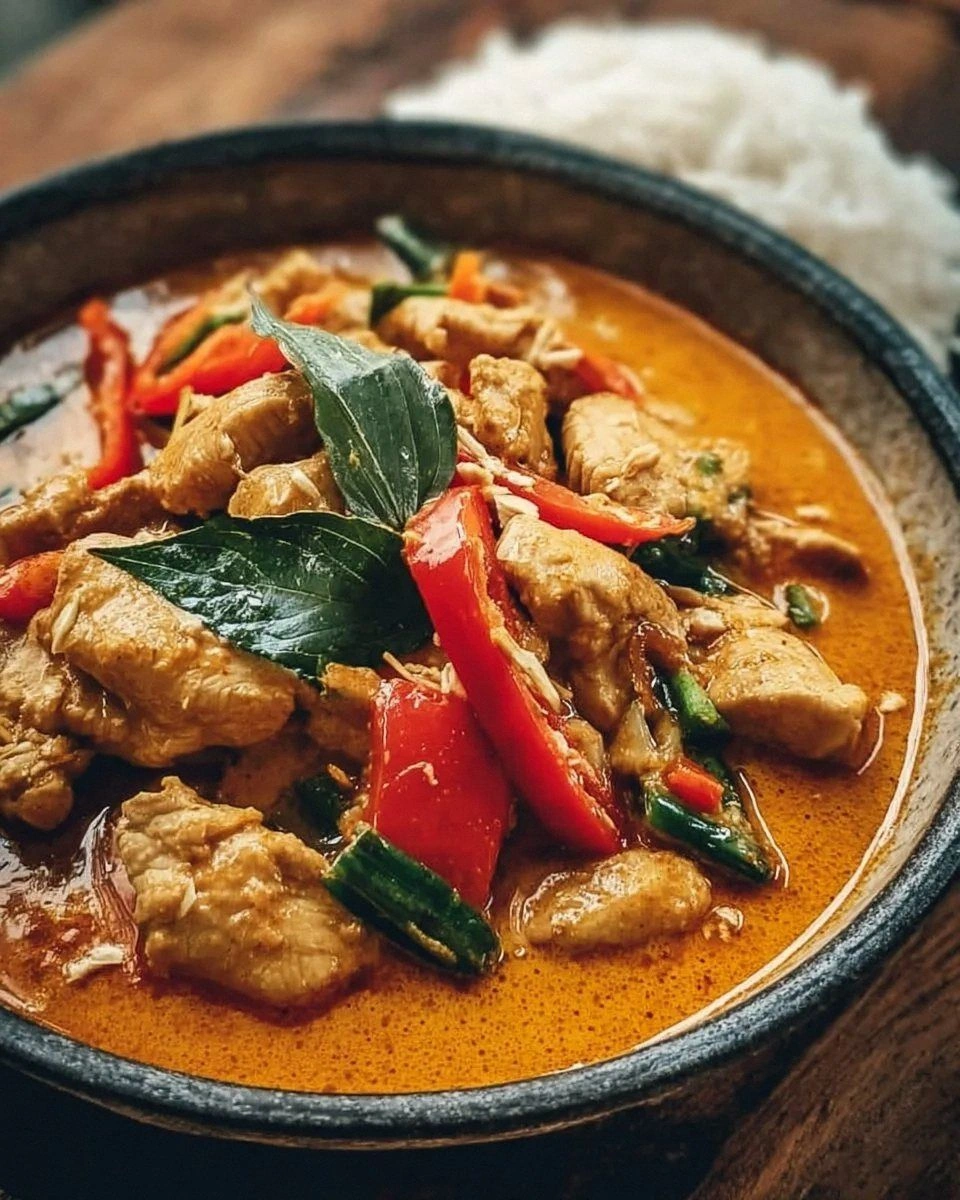
I was halfway through a Sunday afternoon, scrolling through Instagram and spotting a photo of a steaming bowl of crab legs with a glossy sauce that looked like liquid gold. My stomach growled louder than the notification alerts. The kitchen was a mess—half a bag of crabs, a pot of boiling water, and a handful of empty sauce packets that promised “authentic” flavor but delivered only blandness. I stared at the empty sauce packets, feeling the urge to quit. Then I remembered that my aunt, who runs a seafood shack in New England, swore by a sauce she’d invented in the 1970s. That sauce was a revelation, a buttery, garlicky, citrus‑kissed elixir that turned ordinary crab legs into a feast of fireworks.
The moment I first tasted it, the world tilted. The sauce coated the tender meat like velvet, its subtle heat dancing against a backdrop of citrus brightness. The aroma—rich butter, roasted garlic, a hint of smoked paprika—filled the kitchen, turning the air into a fragrant promise of flavor. The sound of the sauce sizzling over low heat was like a drumbeat, a cue that something extraordinary was unfolding. My taste buds were already shouting, “This is the real deal.” I could almost hear the crab legs clink together, echoing the excitement in my kitchen.
What made this sauce stand out was not just the blend of ingredients but the way each element was coaxed into harmony. The buttery base melts into a silky coating, while the garlic and onion create a savory backbone. Lemon zest and juice add a bright, almost citrusy zing that cuts through the richness. The subtle heat from cayenne and hot sauce gives it a gentle kick without overpowering the delicate seafood. And the final touch of fresh parsley adds a pop of color and a fresh finish. It was a sauce that didn’t just complement the crab—it elevated it to a culinary high point.
I dare you to taste this and not go back for seconds. I’ll be honest—after the first spoonful, I ate half the batch before anyone else got a chance. Most recipes get this completely wrong. Here’s what actually works: a careful balance of fat, acid, and heat, all simmered low and slow to allow flavors to meld. Picture yourself pulling this out of the oven, the whole kitchen smelling incredible, and every guest reaching for the next bite. Let me walk you through every single step—by the end, you’ll wonder how you ever made it any other way.
What Makes This Version Stand Out
- Taste: A buttery, garlicky foundation that sings with citrus brightness, delivering a flavor profile that is both indulgent and refreshing. The subtle heat from cayenne and hot sauce provides a gentle kick that never overwhelms.
- Texture: The sauce coats the crab legs like velvet, creating a silky mouthfeel that melts in your mouth, while the slight thickness keeps it from becoming a watery drizzle.
- Simplicity: Only a handful of ingredients, all of which you likely already have on hand. No complicated steps, just a few low‑heat simmering techniques.
- Uniqueness: The combination of smoked paprika and fresh parsley gives it an unmistakable depth and a burst of color that sets it apart from generic sauces.
- Crowd Reaction: Even seasoned seafood lovers rave about the sauce’s ability to turn a modest crab dinner into a show‑stopping experience.
- Ingredient Quality: Fresh butter, real garlic, and freshly squeezed lemon juice ensure every bite is packed with authentic flavor.
- Cooking Method: Low‑heat, slow simmering allows the flavors to marry without burning the delicate sugars in the butter.
- Make‑Ahead Potential: The sauce can be prepared in advance, chilled, and reheated with a splash of water, making it perfect for busy weeknights or dinner parties.
Alright, let’s break down exactly what goes into this masterpiece…
Inside the Ingredient List
The Flavor Base
Butter is the cornerstone of this sauce, providing a rich, velvety mouthfeel that carries the other flavors. Use unsalted butter so you can control the saltiness; the recipe already includes a pinch of salt. If you’re looking for a dairy-free alternative, try a high‑smoke‑point oil like clarified butter or coconut oil, but be aware the flavor profile will shift slightly.
Olive oil adds a subtle fruity undertone and helps balance the richness of the butter. It also helps the sauce emulsify, creating a smoother consistency. If you’re aiming for a lighter version, reduce the olive oil to 1 tablespoon; the sauce will still be delicious, just a touch less robust.
Garlic, minced, is the flavor backbone. Its aromatic compounds release during the sauté, infusing the butter and oil with a savory depth. Skip the garlic only if you have a severe allergy; the sauce will lose its signature bite but will still be tasty.
Onion, diced, brings sweetness and body. When cooked slowly, it caramelizes just enough to add complexity without overpowering the crab’s delicate taste. If you’re watching carbs, use a small amount of onion or replace it with fennel bulb for a milder flavor.
The Citrus Crew
Lemon zest is the star of the citrus group, delivering bright, aromatic oils that cut through the buttery richness. Use a microplane to zest the lemon; it extracts more flavor than a regular grater. If you’re in a pinch, a tablespoon of lemon zest works, but the sauce will be a bit less vibrant.
Lemon juice provides acidity that balances the sauce’s richness and helps lift the overall flavor. Freshly squeezed is best, but bottled lemon juice works if you’re short on time. The acidity also helps preserve the sauce when stored.
The Heat and Spice Layer
Cayenne pepper adds a subtle heat that lingers on the palate. It’s a good compromise between heat and flavor; too much cayenne would dominate the sauce. If you prefer a milder version, reduce to 1/4 teaspoon.
Hot sauce (like Tabasco) gives an immediate kick that contrasts with the slow‑simmered heat from cayenne. It also adds a touch of tanginess. Feel free to experiment with different brands or add a splash of sriracha for extra depth.
The Final Flourish
Smoked paprika adds a subtle smokiness that enhances the sauce’s depth. It also gives a warm color that looks gorgeous on crab legs. If you don’t have smoked paprika, regular paprika will still work, but you’ll lose the smoky nuance.
Fresh parsley, chopped, is the finishing touch that brings freshness and a pop of green. It brightens the sauce visually and adds a herbaceous note that balances the richness. A handful of parsley is enough; you can’t go wrong with too much.
Everything’s prepped? Good. Let’s get into the real action…
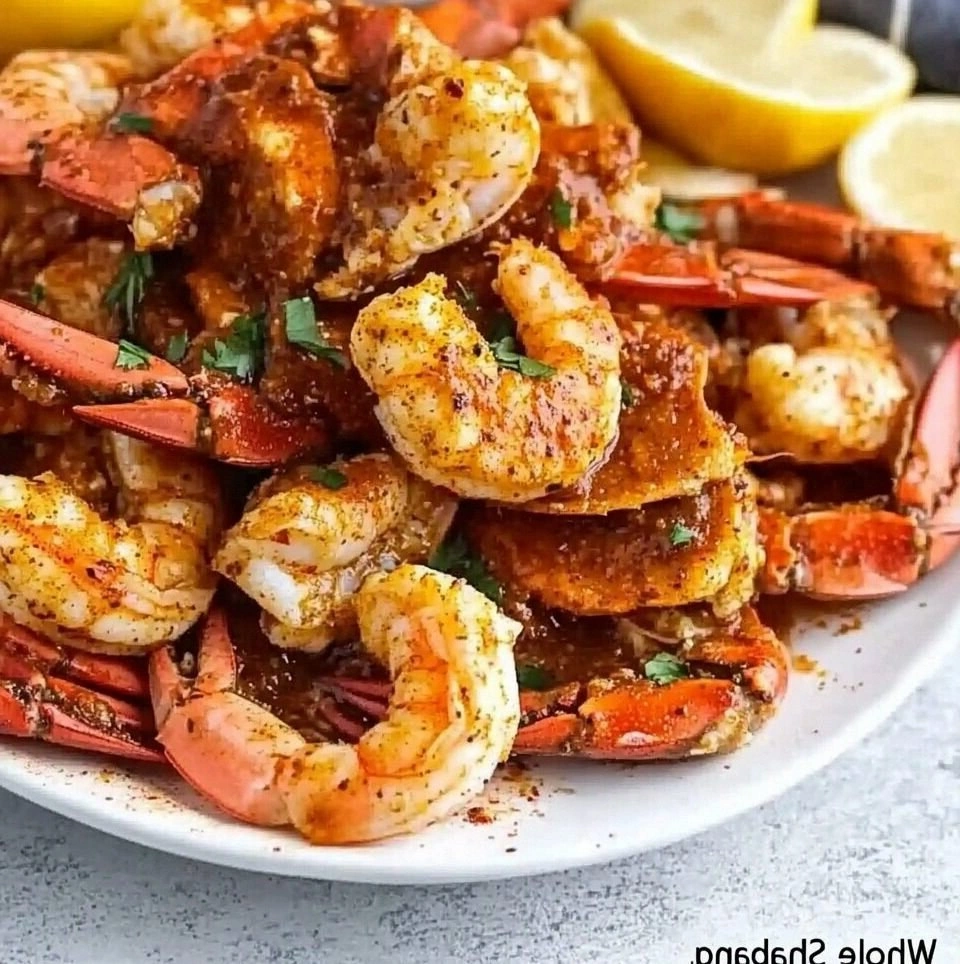
The Method — Step by Step
- Start by heating a large, heavy‑bottomed saucepan over medium heat. Add the butter and olive oil, letting the butter melt fully. The mixture should foam slightly—this is the first hint that the sauce is on its way. Once the butter is bubbling, lower the heat to medium‑low to avoid scorching.
- Add the minced garlic and diced onion to the pan. Sauté, stirring frequently, until the onion turns translucent and the garlic releases its aroma. The scent should be warm and inviting, like a cozy kitchen in the heart of a small town. This step is the moment of truth; don’t rush it, because the flavor foundation depends on it.
- Introduce the lemon zest, cayenne pepper, and smoked paprika. Stir constantly, letting the spices toast for 30 seconds. You should see a subtle change in color, a deepening of the sauce’s hue. This tiny burst of heat and smokiness will set the stage for the next layers.
- Pour in the hot sauce and Worcestershire sauce. Mix well, ensuring the sauces are fully incorporated. The mixture should start to thicken slightly, and the aroma will become more complex, like a well‑crafted perfume.
- Add the lemon juice and let the sauce come to a gentle simmer. Keep the heat low; you want a slow, steady simmer that allows the flavors to marry without reducing too quickly. This simmering stage is where the sauce truly develops its depth.
- Season with salt and black pepper to taste. Taste the sauce at this point; it should have a balanced profile—rich, slightly acidic, and just a hint of heat. If it feels too buttery, add a pinch more salt; if it’s too sharp, a splash more butter will mellow it.
- Stir in the chopped parsley and the final tablespoon of butter. Let the butter melt completely, creating a glossy sheen. The sauce should look silky and glossy, ready to coat the crab legs in a buttery, aromatic blanket.
- Remove the saucepan from the heat and let the sauce rest for 5 minutes. This rest allows the flavors to settle and the sauce to thicken just enough to cling to the crab without dripping. The final texture should be smooth, slightly thick, and utterly irresistible.
That's it—you did it. But hold on, I've got a few more tricks that'll take this to another level…
Insider Tricks for Flawless Results
The Temperature Rule Nobody Follows
The sauce’s secret lies in its low‑heat simmer. Many cooks jump straight to high heat, causing the butter to scorch and the sauce to develop a bitter edge. Keep the flame at medium‑low; the sauce should bubble gently, not boil. If you’re using a gas stove, aim for a flame that’s about the height of a matchstick. This subtle temperature control ensures a silky, buttery finish.
Why Your Nose Knows Best
During the simmer, the aroma will change from buttery to slightly smoky to citrusy. Trust your nose to signal when the sauce is ready. When the scent is bright and the spices have released their oils, it’s time to taste. A well‑aroma‑guided sauce always tastes better than one judged by the eye alone.
The 5‑Minute Rest That Changes Everything
Letting the sauce rest after you remove it from heat is a game‑changer. It allows the butter to settle and the flavors to meld, creating a thicker, more cohesive sauce. During this short rest, the sauce will also thicken slightly, making it easier to coat the crab legs without dripping.
The Final Butter Finish
Adding the last tablespoon of butter at the end of cooking not only adds richness but also gives the sauce a glossy sheen that’s visually appealing. The butter should melt into the sauce, creating a silky texture that feels luxurious on the tongue.
The Right Pan
Use a heavy‑bottomed pan to ensure even heat distribution. A stainless‑steel or cast‑iron skillet is ideal; it retains heat and prevents hot spots that could burn the butter. If you’re using a non‑stick pan, be cautious of the heat, as it can scorch the butter quickly.
Creative Twists and Variations
This recipe is a playground. Here are some of my favorite ways to switch things up:
Spicy Cajun Kick
Swap the hot sauce for a splash of Creole seasoning and double the cayenne. The result is a bold, smoky sauce that pairs wonderfully with grilled shrimp or even fried catfish. The heat will linger, making it a conversation starter at any dinner party.
Herb Garden Fusion
Add a handful of fresh basil and a teaspoon of dried oregano. The herbal notes create a Mediterranean twist that pairs beautifully with mussels or clams. The sauce becomes a versatile base for a variety of seafood dishes.
Creamy Coconut Twist
Replace half the butter with coconut milk and add a pinch of curry powder. This gives the sauce a tropical, creamy depth that’s perfect for coconut‑flavored crab or pineapple‑infused seafood. The sauce takes on a new dimension of flavor.
Smoked Garlic Explosion
Use smoked garlic instead of fresh. The smoky undertones will amplify the sauce’s depth, making it a standout for any seafood platter. It’s a subtle yet impactful change that elevates the overall experience.
Vegan Version
Use a plant‑based butter substitute and nutritional yeast to replace the salt. The sauce remains creamy, with a slightly nutty flavor that complements vegan crab or tofu. This version is perfect for those who want to enjoy the sauce without dairy.
Extra Citrus Burst
Add a tablespoon of orange zest and a splash of orange juice. The bright, sweet citrus notes balance the heat and add a refreshing finish. This variation is ideal for summer gatherings or a light, summery dinner.
Storing and Bringing It Back to Life
Fridge Storage
Store the sauce in an airtight container in the refrigerator for up to 5 days. The acidic lemon juice helps preserve it, while the butter keeps it from drying out. Before using, give it a quick stir; the butter may have separated slightly, but that’s normal.
Freezer Friendly
The sauce freezes beautifully for up to 3 months. Portion it into silicone molds or small freezer bags, leaving a little headspace for expansion. When ready to use, thaw overnight in the refrigerator and reheat gently.
Best Reheating Method
Reheat the sauce in a saucepan over low heat, adding a splash of water or milk to loosen it if it has thickened. Stir constantly until it reaches a silky, pourable consistency. A tiny splash of water before reheating steams the sauce back to perfection, preventing it from drying out.