I was standing in my kitchen, half‑asleep, when my roommate shouted, “You have to try this new pepper thing I found on TikTok!” I laughed, grabbed the nearest pan, tossed a handful of udon noodles into boiling water, and thought, “What could go wrong?” Spoiler: everything went spectacularly right. That moment sparked a culinary rebellion that turned a simple stir‑fry into the most addictive, pepper‑punchy masterpiece you’ll ever taste. I dare you to taste this and not go back for seconds.
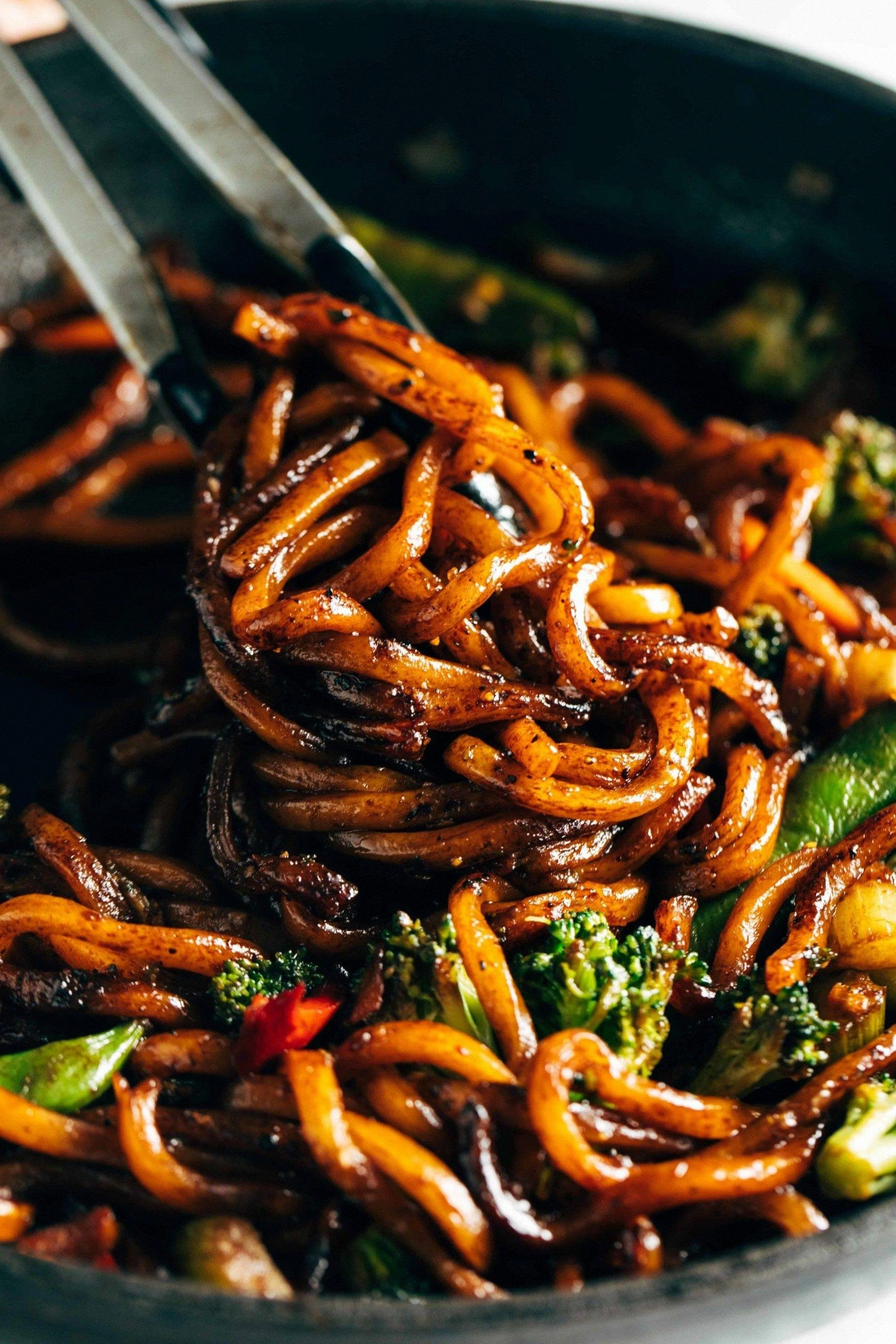
Imagine the sizzle of hot oil meeting a pan, the aroma of garlic exploding like fireworks, and the deep, earthy perfume of dark soy sauce weaving through a rainbow of crisp vegetables. The udon noodles, thick and chewy, soak up every drop of sauce, becoming glossy ribbons that glisten like midnight silk. You’ll hear the gentle crackle as the pepper hits the heat—a sound that says, “We’re about to create magic.” The whole kitchen fills with a peppery perfume that makes you want to dance around the stove.
Most black‑pepper udon recipes either drown the noodles in sauce or forget the pepper’s bright bite. I’ve cracked the code: a quick sear, a splash of rice vinegar for zing, and a precise balance of dark soy and oyster sauce that coats the pasta like velvet. The secret weapon? Freshly cracked black pepper that’s toasted just before the finish, giving a smoky, aromatic snap that no pre‑ground pepper can match. This is hands down the best version you’ll ever make at home.
And here’s the kicker: I’m going to reveal a technique most cooks overlook—a flash‑infusion of pepper oil that locks in flavor without burning. It’s a tiny step that makes a massive difference, and I’m spilling the beans. Let me walk you through every single step — by the end, you’ll wonder how you ever made it any other way.
What Makes This Version Stand Out
- Bold Pepper Punch: Freshly cracked black pepper is toasted just before serving, delivering a smoky, aromatic snap that dances on the palate.
- Silky Noodle Texture: Udon’s chewy, thick strands soak up the sauce without getting soggy, staying springy like a well‑tuned guitar string.
- Veggie Crunch: A bag of stir‑fry vegetables stays crisp, providing a satisfying contrast to the soft noodles.
- Umami Depth: Dark soy sauce and oyster sauce combine for a deep, savory backbone that feels like a hug from the sea.
- Simple Yet Sophisticated: Only six ingredients, yet each plays a starring role, proving less can be more.
- Speedy Prep: From pan to plate in under 30 minutes, perfect for busy weeknights or lazy weekends.
- Make‑Ahead Friendly: The sauce can be pre‑mixed, and the dish reheats beautifully, retaining its peppery zing.
- Crowd‑Pleaser: Even the pickiest eaters love the pepper’s gentle heat and the dish’s glossy finish.
Inside the Ingredient List
The Flavor Base
Garlic is the unsung hero here. When minced and tossed into hot oil, it releases a sweet, caramelized scent that forms the aromatic foundation of the dish. Skipping it would leave the sauce flat, like a song missing its bass line. If you’re allergic or dislike garlic, a splash of ginger paste works as a vibrant substitute, adding a zingy heat that pairs beautifully with pepper.
The Texture Crew
Udon noodles are the heart of the dish. Their thick, wheat‑based body offers a satisfying chew that absorbs sauce without turning mushy. Choose fresh or frozen udon for the best texture; dried udon can become gummy if overcooked. The bag of stir‑fry vegetables—usually a mix of carrots, bell peppers, snap peas, and cabbage—adds color, crunch, and a burst of natural sweetness. If you prefer a more exotic vibe, swap in shiitake mushrooms or baby corn.
The Unexpected Star
Dark soy sauce brings a rich, almost caramel‑like depth that light soy can’t achieve. Its slightly sweet undertone balances the pepper’s heat and the oyster sauce’s briny umami. Using a low‑sodium version lets you control salt levels while still enjoying that deep color and flavor. For a vegetarian twist, replace oyster sauce with mushroom soy sauce; you’ll still get that savory “sea” note without the shellfish.
The Final Flourish
Rice vinegar adds a bright, acidic lift that cuts through the richness of the sauces, preventing the dish from feeling heavy. A teaspoon is enough to brighten everything without making it sour. Finally, the star—freshly cracked black pepper—delivers a peppery heat that’s bold yet nuanced. If you want a milder version, use a lighter hand, but remember the pepper is what makes this dish unforgettable.
Everything's prepped? Good. Let's get into the real action...
The Method — Step by Step
Bring a large pot of water to a rolling boil. Add a pinch of salt and the udon noodles. Cook for 2–3 minutes if using fresh or frozen udon, or follow the package instructions for dried noodles. The noodles should be just al dente—soft on the outside but with a firm bite in the center. Drain, rinse under cold water to stop cooking, and set aside. Tip: Toss the cooked noodles with a drizzle of sesame oil to keep them from sticking.
While the noodles are cooking, heat a wok or large skillet over medium‑high heat. Add a generous splash of vegetable oil—enough to coat the bottom. When the oil shimmers, add the minced garlic. Let it sizzle for 15‑20 seconds until fragrant, but don’t let it brown; burnt garlic turns bitter and ruins the flavor base. That sizzle? Absolute perfection.
Add the bag of stir‑fry vegetables to the wok. Toss them quickly, letting the heat sear the edges while keeping the cores crisp. This should take about 3–4 minutes. You’ll hear a faint crackle as the veggies hit the pan—listen for that; it means you’re getting that coveted “wok‑hei” (breath of the wok). If the vegetables start to steam rather than sear, crank the heat up a notch.
Now for the sauce: in a small bowl, whisk together 2 tablespoons dark soy sauce, 1 tablespoon oyster sauce, and 1 teaspoon rice vinegar. Add a splash of water (about 2 tablespoons) to loosen it just enough to coat the noodles without drowning them. Pour the mixture over the vegetables, stirring constantly to ensure everything gets evenly coated.
Introduce the cooked udon noodles to the wok. Using tongs, toss everything together so the noodles soak up the sauce. At this point, the dish should start to glisten, the noodles looking glossy like polished stone. Let the noodles sit for a minute without stirring to develop a light crust on the bottom—those crispy edges shatter like thin ice when you bite into them.
Here’s the game‑changer: quickly toast 1 ½ teaspoons of whole black peppercorns in a dry pan for 30 seconds, then crush them using a mortar and pestle or the back of a heavy skillet. Sprinkle the freshly cracked pepper over the udon, then give a final quick toss. The pepper should release a smoky aroma that fills the kitchen—this is the moment of truth.
Taste and adjust. If you need a pinch more salt, add a dash of light soy sauce. If you crave extra zing, a few drops more rice vinegar will brighten the dish. Remember, the pepper is the star, so resist the urge to drown it with other flavors.
Serve immediately on warm plates. Garnish with a thin slice of red chili for those who love heat, or a sprinkle of toasted sesame seeds for added nuttiness. That first bite? It should be a harmonious clash of peppery heat, sweet vegetable crunch, and silky noodle richness. Picture yourself pulling this out of the wok, the whole kitchen smelling incredible, and a smile spreading across your face. That’s the payoff.
Insider Tricks for Flawless Results
The Temperature Rule Nobody Follows
High heat is the secret weapon for that coveted “wok‑hei.” If your pan isn’t screaming hot, the vegetables will steam, and the noodles will become soggy. I always pre‑heat the wok for at least a minute before adding oil. The oil should ripple like a pond when you drop a single drop of water in it. If it doesn’t, crank the burner up—your dish will thank you.
Why Your Nose Knows Best
Don’t rely solely on timers; your nose is the ultimate gauge. When the garlic hits the oil, you’ll smell a sweet, nutty aroma within seconds. When the peppercorns are toasted, a smoky scent will flood the kitchen. If you ever question a step, trust that nose. A missed aromatic cue usually means a flavor element is under‑ or over‑done.
The 5‑Minute Rest That Changes Everything
After tossing the noodles, let the wok sit off the heat for five minutes before serving. This brief rest lets the sauce settle, the noodles absorb any remaining moisture, and the pepper’s heat mellow just enough to become “just right.” I once rushed this rest and got a dish that felt a bit “raw.” Patience transforms good into unforgettable.
The “Oil‑Splash” Technique
A drizzle of toasted sesame oil at the very end adds a subtle, nutty finish that lifts the whole dish. It’s not a cooking oil; it’s a finishing oil, so only a teaspoon is needed. If you use too much, the pepper can get masked. A quick splash right before plating is all you need for that extra wow factor.
The “Veggie‑First” Rule
If you ever wonder why some stir‑fries end up soggy, it’s because the vegetables were added after the noodles. Adding them first ensures they get that high‑heat sear, locking in moisture and crunch. A friend once tried to skip this step, and the result was a limp, watery mess—let’s just say the dinner that night was a disaster.
Creative Twists and Variations
This recipe is a playground. Here are some of my favorite ways to switch things up:
Spicy Szechuan Pepper
Swap half of the black pepper for toasted Szechuan peppercorns. The numbing sensation adds a playful tingle that pairs beautifully with the garlic and soy base. It’s perfect for those who crave an extra kick without drowning the dish in chili heat.
Coconut Curry Fusion
Add a tablespoon of red curry paste and a splash of coconut milk after the sauce step. This creates a creamy, aromatic twist that feels like a Thai‑Japanese hybrid. Garnish with fresh cilantro and lime wedges for a bright finish.
Miso‑Umami Boost
Stir in a teaspoon of white miso paste with the dark soy sauce. The miso adds a subtle sweetness and deep umami that makes the dish richer without extra salt. It’s a secret weapon for those who love complex flavors.
Veggie‑Only Delight
Omit the udon and double the vegetable mix. Add a handful of sliced shiitake mushrooms and a splash of vegetable broth for extra depth. This version is perfect for a low‑carb, high‑fiber lunch that still delivers that peppery punch.
Cheesy Crunch
Just before serving, sprinkle a generous handful of toasted panko breadcrumbs mixed with grated Parmesan. The breadcrumbs add a crunchy contrast, while the cheese adds a subtle richness that melds with the pepper’s heat.
Storing and Bringing It Back to Life
Fridge Storage
Transfer leftovers to an airtight container and store in the refrigerator for up to 3 days. The noodles may absorb a little extra sauce, so when reheating, add a splash of water or a drizzle of soy sauce to loosen the texture.
Freezer Friendly
If you’ve made a big batch, portion it into freezer‑safe bags, removing as much air as possible. Freeze for up to 2 months. Thaw overnight in the fridge, then reheat in a hot wok with a splash of oil; the dish will regain its glossy sheen.
Best Reheating Method
The secret to revival is steam. Add a teaspoon of water to the pan, cover with a lid, and heat over medium‑high for 2–3 minutes, stirring once. The steam revitalizes the noodles, while the pepper stays bright. If you’re in a rush, a microwave works, but a quick toss in a hot skillet yields the best texture.