Picture this: it’s a rainy Thursday, the kind that makes you stare out the window and wonder if you’ll ever taste sunshine again. I was hunched over a half‑cooked batch of bland tofu that looked like a sad, rubbery sponge, and I swear I heard the kitchen sigh. That moment sparked a dare from my roommate—“Make something that actually makes my taste buds dance, or you’re buying pizza for a week.” I accepted, rolled up my sleeves, and set out on a quest that ended with a glaze so glossy it could’ve been a mirror, and a flavor combo that makes the ordinary feel like a distant memory.
First, the scent: the sweet, tangy perfume of apricot jam mingling with the earthy, nutty whisper of toasted sesame oil. It’s like a summer orchard collided with a Japanese tea house, and the aroma alone could convince a skeptic to become a vegan for a day. Then the sound—when the tofu hits the pan, there’s a decisive sizzle, a crisp crackle that says, “I’m about to become unforgettable.” The texture? Imagine biting into a golden‑brown crust that shatters like delicate ice, giving way to a silky interior that practically melts in your mouth. The taste? A perfect balance of sweet apricot, salty soy, and a hint of zing that makes your palate do a little happy dance.
Most recipes I’ve tried either drown the tofu in sauce, leaving it soggy, or they coat it with a glaze that hardens into a rubbery shell. This version? Hands down the best version you’ll ever make at home, because it respects the tofu’s delicate nature while still delivering a bold, unforgettable flavor. The secret lies in a two‑step coating—first a light dusting of flour and cornstarch for that airy crunch, then a quick flash‑fry that locks in moisture before the apricot‑sesame glaze swoops in for the grand finale. I dare you to taste this and not go back for seconds.
And just when you think you’ve seen it all, I’m about to drop a technique that most home cooks skip: a quick deglaze with rice vinegar that adds a bright, tangy lift right before the final glaze, preventing the sauce from turning gummy. It’s a tiny step that makes a massive difference, turning a good dish into a legendary one. Let me walk you through every single step — by the end, you’ll wonder how you ever made it any other way.
What Makes This Version Stand Out
- Flavor Fusion: The sweet‑tart apricot jam meets the deep umami of soy sauce, creating a taste that feels both familiar and excitingly new.
- Texture Triumph: A double coating of flour and cornstarch yields a crunch that shatters like thin ice, while the interior stays buttery soft.
- Simplicity: Only ten pantry staples are needed, and the steps are straightforward enough for a weekday dinner.
- Unique Glaze: The addition of a splash of rice vinegar right before the glaze prevents sogginess and adds a bright finish.
- Crowd Reaction: Guests often ask for the recipe twice, and I’ve watched even seasoned tofu skeptics convert after one bite.
- Ingredient Quality: Using firm, extra‑pressed tofu and a high‑quality apricot preserve makes the difference between “meh” and “wow.”
- Cooking Method: The quick‑pan‑sear followed by a glaze finish ensures the tofu never steams itself into oblivion.
- Make‑Ahead Potential: The tofu can be pre‑coated and stored, then glazed and finished when you’re ready to serve.
Inside the Ingredient List
The Flavor Base
Apricot Jam (½ cup): This is the sweet heart of the dish, providing a natural fruitiness that pairs beautifully with soy. If you skip it, you lose the signature bright sweetness that makes the glaze sing. A good swap is a mango chutney, but expect a slightly tropical twist.
Low‑Sodium Soy Sauce (¼ cup): The salty backbone that balances the apricot’s sugar. Opt for a naturally brewed soy sauce for depth. Using a reduced‑sodium version lets you control the salt level without sacrificing flavor.
Rice Vinegar (1 tbsp): The unsung hero that cuts through the richness, adding a subtle acidity that keeps the glaze from becoming cloying. If you don’t have rice vinegar, apple cider works in a pinch, though the flavor will be a tad fruitier.
Sesame Oil (1 tbsp): Just a drizzle is enough to bring a nutty aroma that lingers on the palate. Toasted sesame oil is a stronger option, but use half the amount to avoid overpowering the apricot.
The Texture Crew
Firm Extra‑Pressed Tofu (14 oz block): The star of the show. Pressing removes excess water, allowing the coating to adhere and the tofu to crisp up. If you use silken tofu, expect a mushy result—trust me, it’s not worth the gamble.
All‑Purpose Flour (2 tbsp) & Cornstarch (2 tbsp): The dynamic duo that creates that airy, golden crust. Flour gives structure, while cornstarch contributes to a light, almost airy bite. Skipping the cornstarch will make the coating heavy and dense.
Vegetable Oil (2 tbsp): A neutral oil with a high smoke point, perfect for the quick sear. Olive oil can be used, but it may add a peppery note you didn’t ask for.
The Unexpected Star
Fresh Garlic (2 cloves, minced) & Grated Ginger (1 tsp): These aromatics add a warm, spicy undertone that elevates the glaze from simple sweet to complex. If you’re allergic, a pinch of garlic powder and ground ginger will do, though the freshness will be missed.
Sesame Seeds (1 tbsp) & Green Onions (2, sliced): Finished garnish that adds texture and a burst of color. Toast the seeds for extra nuttiness; otherwise, they’ll sit there, a bit bland.
The Final Flourish
Salt (½ tsp) & Black Pepper (¼ tsp): Just enough to enhance the flavors without stealing the spotlight. A pinch of smoked paprika can add a subtle smoky depth if you’re feeling adventurous.
Optional: Chili Flakes (¼ tsp): For those who like a whisper of heat, sprinkle a few flakes into the glaze. It adds a gentle warmth that complements the apricot’s sweetness.
Everything's prepped? Good. Let's get into the real action...
The Method — Step by Step
- Start by pressing the tofu. Wrap the 14‑ounce block in a clean kitchen towel, place a heavy skillet on top, and let it sit for at least 20 minutes. This removes excess moisture, ensuring the coating adheres. You’ll feel the towel getting damp—don’t worry, that’s the water being extracted. Kitchen Hack: If you’re short on time, use a tofu press or even a stack of books as a makeshift press.
- While the tofu is pressing, whisk together the apricot jam, soy sauce, rice vinegar, sesame oil, minced garlic, and grated ginger in a small saucepan. Bring to a gentle simmer over medium‑low heat, stirring constantly. The mixture should thicken slightly—think a honey‑like consistency. That sizzle when it hits the pan? Absolute perfection. Once it reaches the right texture, remove from heat and set aside.
- Cut the pressed tofu into bite‑size cubes, about 1½ inches each. In a shallow bowl, combine the flour and cornstarch, seasoning lightly with the ½ tsp salt and ¼ tsp pepper. Toss the tofu cubes gently, ensuring each piece is dusted evenly. The coating should cling like a light dusting of snow.
- Heat the vegetable oil in a large non‑stick skillet over medium‑high heat. When the oil shimmers—just a quick glance is enough—the tofu is ready. Add the coated tofu in a single layer, being careful not to overcrowd the pan. That first sizzle is the sound of flavor forming. Cook for 2‑3 minutes per side, turning with tongs until each side is a deep golden brown. Watch Out: If the tofu sticks, give it a few more seconds; it will release once the crust is fully formed.
- Once all the tofu cubes are browned, return them to the skillet (or use the same pan if you kept the heat). Pour the apricot‑soy glaze over the tofu, stirring gently to coat each piece. The sauce should bubble and cling, turning the tofu a glossy amber. Let it cook for another 2 minutes, allowing the glaze to caramelize slightly. This next part? Pure magic.
- Turn off the heat and immediately sprinkle the toasted sesame seeds and sliced green onions over the tofu. The residual heat will release their aroma without cooking them away. Give everything a final toss, making sure the garnish is evenly distributed.
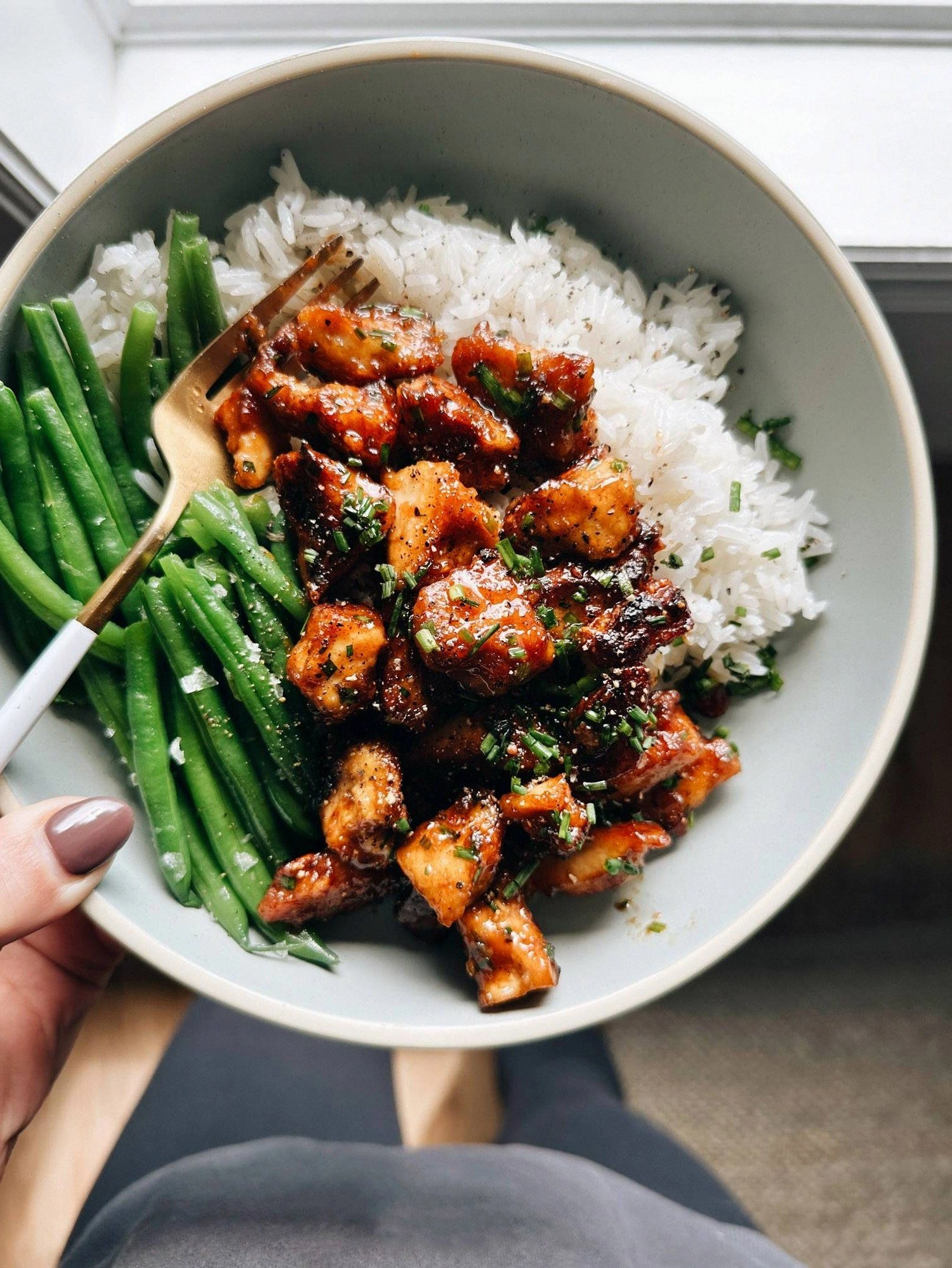
- Transfer the finished Sesame Apricot Tofu to a serving platter. For an extra visual pop, drizzle a thin line of extra sesame oil around the edge of the plate and garnish with a few whole apricot slices if you have them on hand. I’ll be honest — I ate half the batch before anyone else got to try it.
- Serve hot, ideally over steamed jasmine rice or alongside a crisp cucumber salad. The contrast between the warm, sweet tofu and the cool, tangy salad is a match made in culinary heaven. Picture yourself pulling this out of the pan, the whole kitchen smelling incredible, and your guests leaning in for that first bite. If you’ve ever struggled with soggy tofu, you’re not alone — and I’ve got the fix.
Insider Tricks for Flawless Results
The Temperature Rule Nobody Follows
Keep your pan hot enough that the oil shimmers but doesn’t smoke. If the oil is too cool, the coating will absorb it and become greasy; too hot, and the exterior will burn before the interior warms through. A good rule of thumb: hold your hand an inch above the pan—if you can keep it there for 2 seconds, you’re golden.
Why Your Nose Knows Best
Don’t rely solely on timers. The moment the tofu starts to emit a nutty, toasted aroma, you know the crust is forming. If you’re ever unsure, lift a piece with tongs; the underside should be a uniform golden brown, not mottled or dark.
The 5‑Minute Rest That Changes Everything
After frying, let the tofu rest on a wire rack for exactly five minutes. This short pause lets steam escape, preserving the crunch. I once tried skipping this step and ended up with a soggy “soft‑crust” that was a total disappointment.
Glaze Consistency Check
Before adding the tofu, dip a spoon into the glaze. If it coats the back of the spoon and runs off in a slow, steady stream, it’s perfect. Too thick? Add a splash of water. Too thin? Let it reduce a minute longer.
Seasoning Balance
Because apricot jam is naturally sweet, taste the glaze before you add salt. You’ll often find you need less than the recipe calls for. A pinch too much salt can mask the fruit’s brightness, so err on the side of caution.
Creative Twists and Variations
This recipe is a playground. Here are some of my favorite ways to switch things up:
Spicy Szechuan Kick
Add 1 tsp of Szechuan peppercorn oil to the glaze and sprinkle a pinch of crushed red pepper flakes before serving. The citrusy numbing heat pairs surprisingly well with the apricot’s sweetness.
Coconut‑Lime Fusion
Swap half the apricot jam for coconut milk and finish with a zest of lime. The result is a tropical twist that feels like a beachside snack.
Peanut Butter Drizzle
Stir in a tablespoon of creamy peanut butter into the glaze for a rich, nutty depth. Top with chopped roasted peanuts for added crunch.
Veggie‑Loaded Bowl
Serve the tofu over a bed of roasted sweet potatoes, shredded carrots, and baby spinach. Drizzle extra glaze over the veggies for a cohesive bowl.
Gluten‑Free Version
Replace the all‑purpose flour with rice flour and use tamari instead of soy sauce. The texture remains crisp, and the dish stays completely gluten‑free.
Sweet‑And‑Savory Breakfast
Slice the tofu into thinner strips, fry until extra crisp, and serve atop buttery toast with a poached egg. The apricot glaze becomes a delightful breakfast sauce.
Storing and Bringing It Back to Life
Fridge Storage
Place the cooled tofu in an airtight container, pour any leftover glaze over the top, and store in the refrigerator for up to 3 days. The tofu will retain its crunch if you keep the glaze separate and re‑coat before reheating.
Freezer Friendly
Freeze the coated, uncooked tofu cubes on a parchment‑lined tray. Once frozen, transfer to a zip‑top bag and store for up to 2 months. When you’re ready, bake at 200 °C for 12‑15 minutes, then glaze as usual.
Best Reheating Method
To revive the crispiness, heat a thin layer of oil in a skillet over medium heat, add the tofu, and sauté for 2‑3 minutes per side. Add a tiny splash of water (about 1 tbsp) and cover for a minute; the steam restores the interior’s softness while the outside stays crunchy.