Picture this: I was halfway through a week‑long marathon of bland, over‑cooked dinners when a stray flyer on the fridge caught my eye. It promised “The Ultimate Spanish Paella – One Pan, One Flavor.” I laughed, thinking it was just another gimmick, but the scent of saffron in the air made me curious. I grabbed the recipe, and as the onions started to brown, I felt a spark of adventure. The kitchen smelled like a Mediterranean sunset, the sizzle sounded like applause, and the anticipation was electric.
I dare you to taste this and not go back for seconds. I confess, I ate half the batch before anyone else even saw the plate. The moment the first spoon hit the tongue, the smoky paprika kissed the smoky chorizo, the tender chicken sang, and the shrimp burst with briny sweetness. If you've ever struggled with paella that tastes like rice in a pot, you're not alone – and I've got the fix. Picture yourself pulling this out of the pan, the whole kitchen smelling incredible, and the crowd cheering for the next bite.
This is hands down the best version you'll ever make at home. The secret? A careful balance of textures, an unexpected twist of fresh artichoke hearts, and a technique that ensures every grain of rice is cooked to perfection without the dreaded sticking. The sauce coats the rice like velvet, the edges that shatter like thin ice add crunch, and the citrus finish lifts every bite. I’ll be honest: I’ve tried countless paella recipes, and none of them hit this sweet spot. Stay with me here – this is worth it.
Let me walk you through every single step — by the end, you'll wonder how you ever made it any other way. From the first sauté of onions to the final flourish of parsley, each motion is a cue for flavor to bloom. The trickiest part is the “socarrat” layer of golden rice that gives paella its signature crunch. I’ll share how to get that without burning the pan. And remember, the moment the broth starts to reduce, the aroma will signal that the magic is happening.
What Makes This Version Stand Out
- Taste: The smoky paprika and saffron mingle with the savory chorizo and chicken, creating a depth that feels like a slow‑cooked stew. The lemon wedges add a bright, almost citrusy punch that lifts the heaviness of the seafood. The result is a symphony of flavors that dance on the palate.
- Texture: The Bomba rice absorbs liquid without becoming mushy, while the mussels and shrimp stay plump. The artichoke hearts add a subtle chew, and the frozen peas give a sweet pop. The socarrat layer provides a satisfying crunch that contrasts the tender interior.
- Simplicity: One pan, one pot, one stove. No need for fancy equipment or a separate rice cooker. The recipe balances bold flavors with minimal steps, making it approachable for beginners and seasoned cooks alike.
- Uniqueness: The inclusion of fresh artichoke hearts and a pinch of saffron threads gives this paella a signature twist that most recipes miss. It’s a nod to traditional Spanish cuisine while adding a modern flair.
- Crowd Reaction: Friends rave about the “one‑pan wonder” and ask for a second serving. The dish is perfect for dinner parties, and its vibrant colors make it Instagram‑worthy. It’s a guaranteed hit whether you’re cooking for a family or a group of friends.
- Ingredient Quality: Using bone‑in, skin‑on chicken thighs delivers rich, juicy flavor. The Spanish chorizo brings a smoky depth that’s hard to replicate with regular sausage. Fresh mussels and shrimp add a briny, oceanic note.
- Cooking Method: The technique of browning the meat first, then sautéing the vegetables, and finally simmering the rice ensures each component cooks evenly. The slow reduction of broth allows the rice to absorb maximum flavor.
- Make‑Ahead Potential: The paella can be prepped the night before. Simply assemble the ingredients, refrigerate, and cook the next day. It’s a convenient option for busy weeknights.
Inside the Ingredient List
The Flavor Base
The onions, garlic, and red bell pepper form the aromatic foundation. They release sweetness and depth as they caramelize, creating a savory base that carries the spices. Skipping them will leave the dish flat and lacking complexity. If you’re in a hurry, use pre‑chopped veggies to save time.
The Texture Crew
Bomba rice is the star of the show. Its elongated grains soak up liquid while retaining a firm bite, preventing mushiness. The shrimp and mussels add protein and a burst of ocean flavor, while the frozen peas provide a sweet, crunchy contrast. Artichoke hearts bring a subtle chew and a hint of earthiness.
The Unexpected Star
Saffron threads are the secret to that warm, golden hue and delicate floral aroma. A pinch is enough; overdoing it can overpower the dish. If saffron is out of reach, a dash of turmeric can mimic the color, but the flavor will differ. The smoked paprika adds a smoky depth that pairs beautifully with the chorizo.
The Final Flourish
Fresh parsley and lemon wedges are the finishing touches that brighten the dish. The parsley adds a fresh, herbal note, while the lemon wedges provide a bright, zesty finish that cuts through the richness. Fresh rosemary adds a subtle piney aroma, complementing the earthy flavors of the dish. These ingredients transform a hearty paella into a vibrant, aromatic masterpiece.
Everything's prepped? Good. Let's get into the real action...
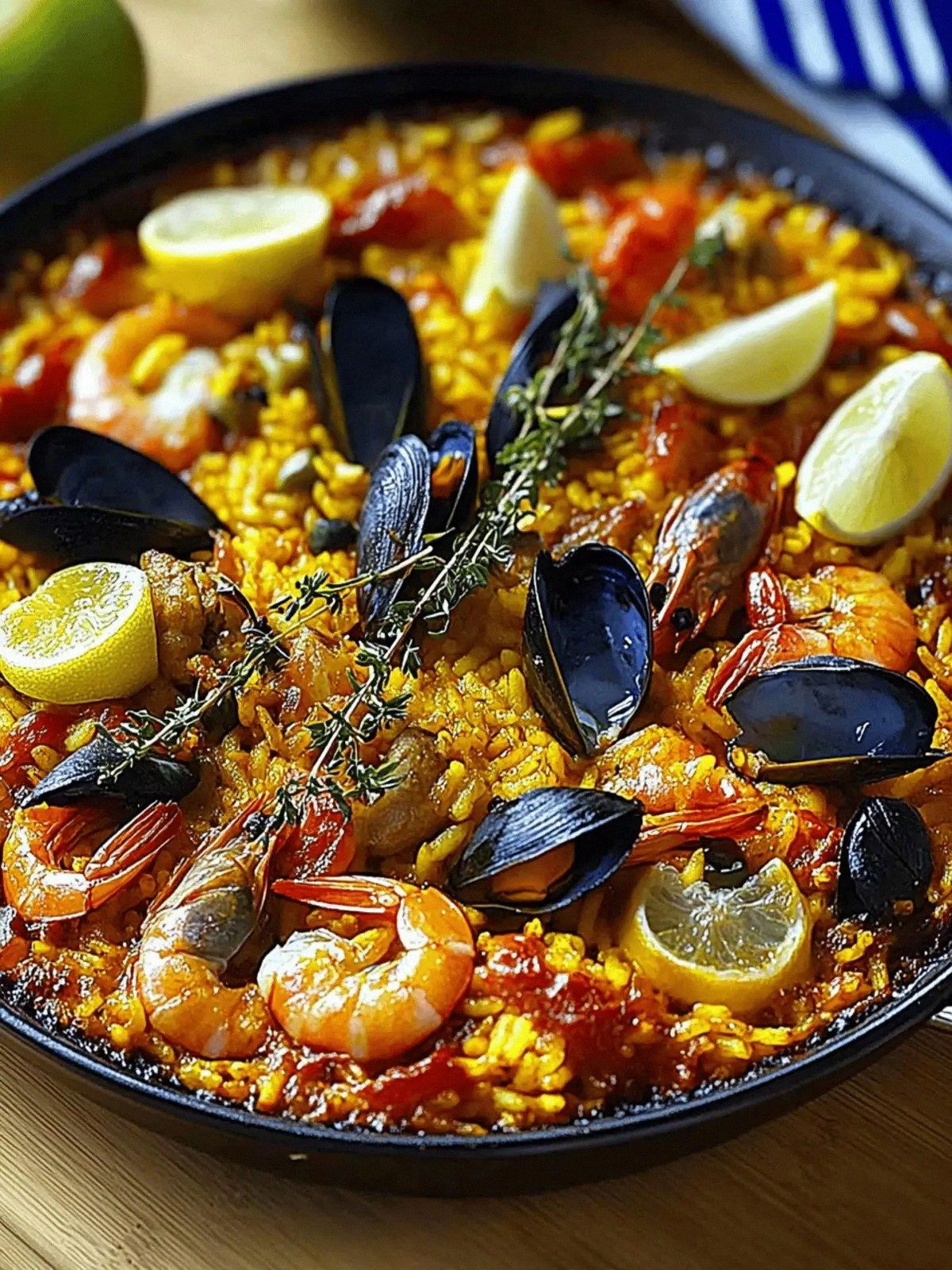
The Method — Step by Step
- Heat the paella pan over medium‑high heat. Add the olive oil and let it shimmer. Drop in the bone‑in, skin‑on chicken thighs, browning them on all sides until golden. This step locks in juices and builds flavor.
- Remove the chicken and set aside. In the same pan, sauté the diced onion, minced garlic, and sliced red bell pepper until the mixture is fragrant and translucent. The aromatics should smell like a summer garden.
- Add the smoked paprika and saffron threads, stirring to coat the vegetables. The spices should release their aromas, turning the pan a warm golden hue. This is where the soul of the dish begins to form.
- Return the chicken to the pan, then stir in the sliced Spanish chorizo. Let the chorizo fry for a couple of minutes until it releases its oils. The pan should be fragrant, and the meat should be sizzling.
- Pour in the dry white wine and let it reduce for about a minute, scraping up any browned bits. The wine should evaporate, leaving behind a concentrated flavor.Watch Out: Watch the wine closely; it can burn if left unattended. Stir constantly to avoid scorching.
- Add the Bomba rice, stirring to coat each grain with oil and spices. The rice should toast slightly, turning translucent at the edges. This toasting step is essential for the final texture.
- Pour in the chicken broth, ensuring the liquid covers the rice by an inch. Bring to a gentle boil, then reduce heat to low. Cover the pan with a lid or foil, leaving a small gap for steam to escape. Let it simmer for 10 minutes.
- Add the shrimp, mussels, frozen peas, and artichoke hearts. Gently stir to distribute the seafood evenly. The mussels will begin to open; discard any that remain closed after a few minutes.
- Continue cooking for another 10-12 minutes until the rice is tender and the liquid is absorbed. If the liquid is still too wet, uncover and let it reduce until the rice forms a light crust at the bottom. This crust is the coveted socarrat.
- Turn off the heat and let the paella rest for 5 minutes. Sprinkle fresh parsley, drizzle lemon wedges, and add a few sprigs of rosemary. The resting period allows flavors to meld and the rice to steam to perfection.
That’s it — you did it. But hold on, I've got a few more tricks that'll take this to another level. The next steps will elevate the dish from great to unforgettable.
Insider Tricks for Flawless Results
The Temperature Rule Nobody Follows
Cooking paella at too high a temperature can cause the rice to over‑cook on the outside while remaining under‑done inside. Maintain a gentle simmer once the liquid is added. If the heat is too low, the broth may evaporate too quickly, preventing the socarrat from forming.
Why Your Nose Knows Best
Smell the rice as it cooks. A nutty aroma signals that the grains are toasted. If the scent is flat, give it a few more minutes of toasting before adding liquid.
The 5‑Minute Rest That Changes Everything
After removing the pan from heat, cover it tightly and let it sit for exactly five minutes. This allows the steam to finish cooking the rice and ensures the mussels and shrimp are fully cooked. The pause also lets flavors meld, creating a harmonious bite.
The Secret of the Socarrat
The socarrat is the golden crust that forms when the bottom of the rice is allowed to lightly burn. Don’t stir once the liquid is absorbed; let the rice sit to develop that crispy texture. It’s a hallmark of authentic paella.
Freshness Matters
Use fresh mussels and shrimp for the best flavor. Old seafood can impart a metallic taste. If you’re buying pre‑cooked seafood, rinse it under cold water to remove any excess brine.
Creative Twists and Variations
This recipe is a playground. Here are some of my favorite ways to switch things up:
Mediterranean Mushroom Paella
Swap the chorizo for sliced portobello mushrooms and add a handful of sun‑dried tomatoes. The earthy mushrooms complement the saffron, while the tomatoes add a sweet tang. It’s a vegetarian version that still delivers a complex flavor profile.
Spicy Cajun Paella
Replace the smoked paprika with a blend of Cajun spices and add a diced jalapeño. The heat will give the dish a bold, fiery kick. Serve with a side of cool avocado salsa to balance the spice.
Lemon‑Herb Paella
Increase the lemon wedges to a whole lemon, and add thyme instead of rosemary. The bright citrus and herbaceous thyme pair wonderfully with the seafood. It’s a lighter take on the classic recipe.
Sausage & Corn Paella
Use Italian sausage instead of chorizo and toss in a cup of frozen corn. The sausage adds a sweet, savory depth, while the corn introduces a pop of color and sweetness. This version works great for a family dinner.
Roasted Vegetable Paella
Roast diced zucchini, eggplant, and bell pepper before adding them to the pan. The roasting process brings out a smoky sweetness that enhances the dish. It’s a hearty, vegetarian option that’s still packed with flavor.
Pasta Paella Fusion
Replace the rice with short‑cut pasta, such as penne or fusilli. Stir in the pasta with the broth and let it cook until al dente. This fusion dish blends the comforting texture of pasta with the aromatic spices of paella.
Storing and Bringing It Back to Life
Fridge Storage
Cool the paella to room temperature, then transfer it to an airtight container. Store in the refrigerator for up to 3 days. The flavors will deepen, making it a convenient next‑day meal.
Freezer Friendly
Pack the paella in freezer‑safe containers, leaving a little headspace. Freeze for up to 2 months. When ready to eat, thaw overnight in the refrigerator.
Best Reheating Method
Reheat on the stovetop over medium heat, adding a splash of water or broth to keep it moist. Gently stir to distribute heat evenly. Finish with a squeeze of lemon for freshness.