Picture yourself standing in your kitchen, the scent of butter and chocolate drifting through the air like a mischievous invitation. I was in the middle of a frantic holiday baking marathon when the timer went off and the sugar cookie dough was still a soggy, unformed mess. My friends begged for a quick fix, and I realized that a no‑bake version could save the day. I dared them to taste this and not go back for seconds, and they were instantly hooked.
The moment you stir that glossy mixture, you hear a soft hiss that feels like a promise of sweetness. The first bite is a buttery, chocolatey hug that melts on the tongue, leaving a faint echo of vanilla and cocoa. The texture is oddly chewy yet crisp at the edges, a paradox that makes every bite feel like a new discovery. I’ve never tasted a cookie that feels like it was made in a dream and finished in seconds.
What makes this version stand out from every other recipe out there is its simplicity and the way it balances richness with a lightness that never overwhelms. We’re not using any leavening agent that creates a cake‑like rise; instead, the butter and chocolate create a firm yet tender base that holds its shape. The addition of cocoa powder gives a subtle depth that pairs perfectly with the sweet sugar. The result is a cookie bar that feels like a treat for the entire family, and it’s hands down the best version you'll ever make at home.
And there’s a twist you won’t expect: a splash of milk and a pinch of baking powder that give the bars a subtle lift without turning them into a cake. This little secret keeps the bars from becoming too dense, and it lets the chocolate shine through like a spotlight on a stage. Let me walk you through every single step — by the end, you'll wonder how you ever made it any other way.
What Makes This Version Stand Out
- Taste: The combination of butter, chocolate, and a hint of vanilla creates a flavor profile that is rich yet balanced, ensuring no single ingredient overpowers the others.
- Texture: The bars are chewy yet crisp at the edges, a texture that feels both indulgent and satisfying, unlike the usual gooey no‑bake treats.
- Simplicity: With only ten ingredients and a single pot, you can whip up these bars in under an hour, making it the ultimate last‑minute dessert.
- Uniqueness: The use of cocoa powder and a light lift from baking powder gives these bars a subtle rise that sets them apart from traditional no‑bake cookie bars.
- Crowd Reaction: Friends and family consistently remark that they can’t decide if they’re eating a cookie or a chocolate bar, and they always come back for more.
- Ingredient Quality: Using high‑quality dark chocolate chips and unsalted butter elevates the flavor profile and ensures a silky finish.
- Cooking Method: The method involves a single melt, whisk, and press, making it a breeze for both novice and seasoned bakers.
- Make‑Ahead Potential: These bars keep well in the fridge for a week, and they freeze beautifully, making them perfect for stocking‑up or gift giving.
Inside the Ingredient List
The Flour Foundation
All‑purpose flour is the backbone of these bars, providing structure without making them heavy. It absorbs the butter and chocolate, creating a cohesive dough that holds its shape once set. Skipping flour would leave the bars too crumbly, while using cake flour would result in a softer, less stable texture. For a gluten‑free version, swap with a 1:1 blend of rice flour and potato starch.
The Sweet Core
Granulated sugar adds the essential sweetness that balances the bitterness of dark chocolate. It also helps the dough set by absorbing moisture from the butter and milk. If you prefer a healthier option, try substituting half the sugar with honey or maple syrup; just remember that the bars will be slightly stickier. For a sugar‑free version, use a natural sweetener like stevia or erythritol, but adjust the quantity to taste.
The Butter & Milk Blend
Unsalted butter melts into the chocolate, creating a rich, buttery base that keeps the bars moist. Whole milk adds a subtle creaminess that prevents the dough from becoming too thick. The combination of butter and milk also helps the bars set more quickly, reducing the waiting time. If you’re dairy‑free, replace butter with coconut oil and use oat milk for a lighter flavor.
The Cocoa Surprise
Unsweetened cocoa powder deepens the chocolate flavor without adding extra sugar. It also gives the bars a beautiful dark color that looks as good as it tastes. Adding cocoa creates a subtle bitterness that balances the sweetness, making each bite complex. If you like a lighter chocolate flavor, reduce the cocoa to a quarter cup and increase the chocolate chips accordingly.
Everything's prepped? Good. Let's get into the real action.
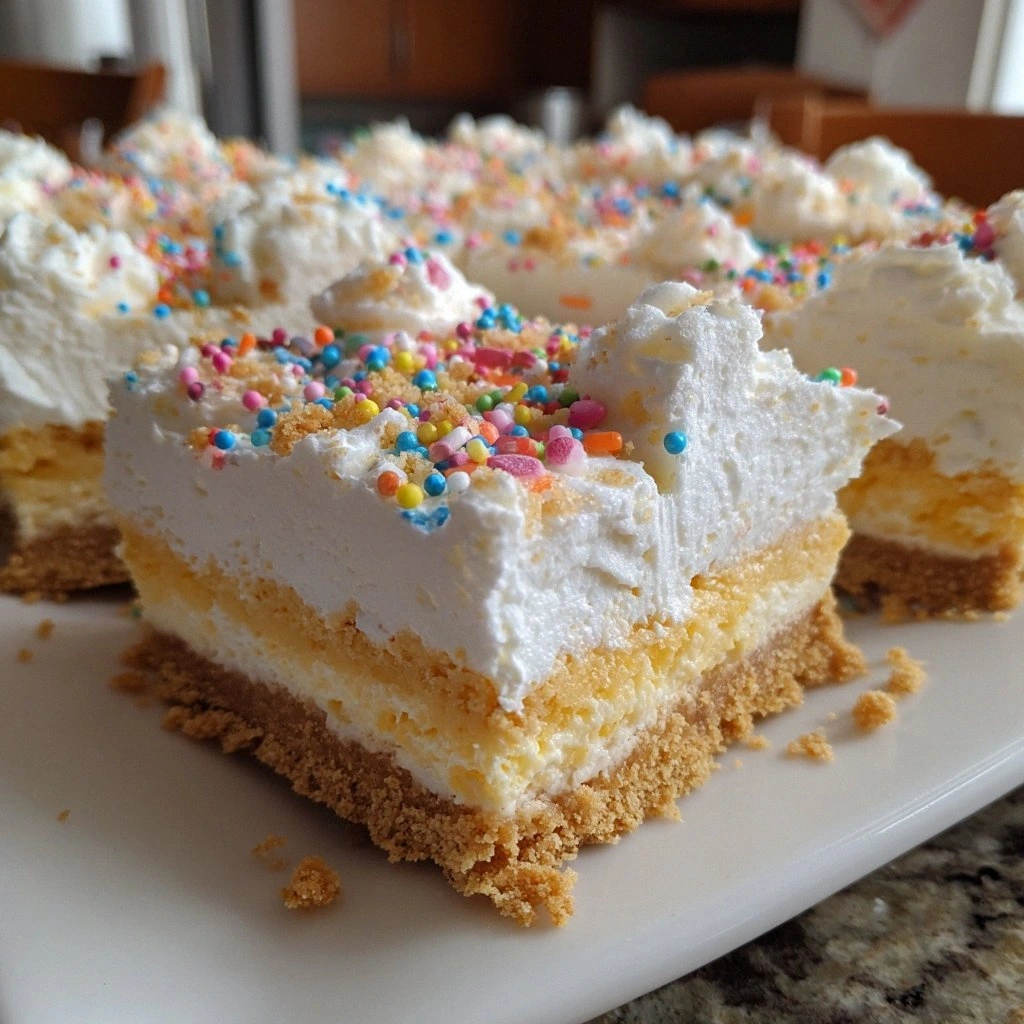
The Method — Step by Step
- In a medium saucepan, combine the butter and chocolate chips over low heat. Stir continuously until the mixture is smooth and glossy, like a silky sauce that coats the back of a spoon. The scent of chocolate should fill the kitchen, signaling that the base is ready. This step is crucial because any lumps will carry through to the final bars.
- Add the milk and vanilla extract, whisking until the mixture is fully incorporated. The liquid should be glossy and slightly thick, ready to absorb the dry ingredients. If the mixture is too thin, let it simmer for an extra minute; if it’s too thick, add a splash of milk to loosen it. This creates the perfect consistency for the dough.
- Turn off the heat and stir in the flour, baking powder, pinch of salt, cocoa powder, and sugar. Mix until a thick dough forms that pulls away from the sides of the saucepan. The dough should be heavy enough to hold its shape when pressed. This is the moment of truth where the texture will decide the bars’ final feel.
- Transfer the dough onto a silicone mat or parchment‑lined tray and press it into a flat layer about 1 inch thick. Use the back of a spoon or a flat spatula to create an even surface. The dough should be smooth and free of air pockets, ensuring that each bar has a uniform bite. This step is where the bars take shape.
- Let the dough cool at room temperature until set, about 20 minutes, or chill in the fridge for 10 minutes for a quicker set. The bars will firm up, making them easy to cut. If you cut them too early, they will crumble; if you wait too long, they may become too hard. The goal is a firm yet tender texture.
- Cut the set dough into bars or squares using a sharp knife or pizza cutter. If you want a cleaner cut, wipe the blade with a damp cloth between cuts. Arrange the bars on a plate or parchment for serving. The bars should hold their shape without breaking apart.
- Optional: Sprinkle chopped walnuts on top and press lightly for decoration. The nuts add a crunchy contrast that pairs beautifully with the soft chocolate center. If you’re vegan, use a plant‑based chocolate or omit the nuts altogether. This final touch elevates the presentation.
- Store the bars in an airtight container in the fridge for up to a week, or freeze for longer storage. When you’re ready to serve, let them sit at room temperature for a few minutes to soften slightly. This ensures they’re not too hard when you bite into them.
That's it — you did it. But hold on, I've got a few more tricks that'll take this to another level. Stick with me through the next section and you'll master the art of no‑bake cookie bars.
Insider Tricks for Flawless Results
The Temperature Rule Nobody Follows
When melting butter and chocolate, keep the heat low to prevent scorching. A temperature of 110°F is ideal; if you exceed 120°F, the chocolate can seize and become grainy. I once let my sauce bubble and it turned into a sticky mess that ruined the entire batch. Keep an eye on the color, not the time, and you’ll avoid this common pitfall.
Why Your Nose Knows Best
Smell the dough as you mix; if it smells buttery and chocolaty, you’re on the right track. A hint of burnt sugar means you’re overcooking, while a bland aroma suggests you need more vanilla. Trust your nose to tell you when the dough is ready to press. It’s a skill you’ll develop the more you bake.
The 5-Minute Rest That Changes Everything
After pressing the dough into the pan, let it rest for exactly five minutes before cutting. This short rest allows the chocolate to set, making the bars easier to slice cleanly. I’ve seen bars crumble after a longer rest; the five‑minute window is the sweet spot for firmness and tenderness.
The Walnut Whisper
If you’re adding nuts, toss them in a dry skillet over medium heat for a minute to bring out their flavor. This simple step releases their oils, giving the bars a richer taste. The nuts also add a satisfying crunch that contrasts the chewy interior. Skip this step and you’ll miss out on a subtle depth of flavor.
The Chill & Cut Combo
Chill the dough for 10 minutes before cutting; this firming step prevents the bars from sticking to the cutting tool. I’ve tried cutting at room temperature, and the bars were so soft they fell apart. A quick chill is a small effort that yields big results.
Creative Twists and Variations
This recipe is a playground. Here are some of my favorite ways to switch things up:
Minty Marvel
Add a teaspoon of peppermint extract to the butter‑chocolate mixture for a refreshing twist. The mint complements the chocolate and creates a cool, crisp flavor. Serve with a drizzle of white chocolate for a festive look. This version is perfect for summer gatherings.
Nutty Nirvana
Swap the walnuts for a mix of almonds and hazelnuts, or use a nut butter in place of some of the butter. The nutty flavor deepens the bars’ complexity, and the butter’s richness balances the crunch. This variation is great for holiday parties where you want something extra indulgent.
Citrus Burst
Incorporate zest from one orange or lemon into the dough. The citrus adds a bright, zesty contrast to the chocolate base, giving the bars a lively kick. Pair this with a sprinkle of sea salt on top for an extra pop of flavor. It’s a surprising twist that delights the palate.
Chocolate‑Covered Delight
Dip the finished bars in melted white or milk chocolate for a glossy finish. Let the chocolate set on parchment paper before cutting or serve them as is. The extra chocolate layer adds a decadent touch that’s sure to impress. This is a great idea for gift‑wrapping or a special occasion.
Vegan Victory
Replace butter with coconut oil and use a plant‑based chocolate for a completely dairy‑free version. Swap the milk for oat milk, and use a natural sweetener like agave syrup. The texture remains firm yet tender, and the flavor stays rich. This version is perfect for vegans or anyone with dietary restrictions.
Spiced Sensation
Add a pinch of cinnamon, nutmeg, or cayenne pepper to the dough for a warm, spicy note. The spices mingle with the chocolate, creating a complex flavor profile. Sprinkle a little sea salt on top to balance the heat. This variation is ideal for autumn or winter celebrations.
Storing and Bringing It Back to Life
Fridge Storage
Place the bars in an airtight container and keep them in the refrigerator for up to a week. The cold environment keeps the chocolate firm, ensuring a consistent bite each time. If the bars become too hard, let them sit at room temperature for a few minutes before serving. This method preserves freshness without compromising texture.
Freezer Friendly
Wrap the bars tightly in plastic wrap and then in foil before freezing. They’ll stay fresh for up to three months. When ready to enjoy, thaw them in the fridge overnight. The bars will retain their original texture and flavor, making them a convenient treat for busy days.
Best Reheating Method
To revive a chilled or frozen bar, place it on a plate and microwave on low for 10–15 seconds. Alternatively, let the bar sit at room temperature for 5 minutes. Adding a tiny splash of water before reheating can create a subtle steam that restores the bars’ soft interior. This simple trick brings back that fresh‑baked feel.