Picture this: a scorching Saturday afternoon, the kind where the sun feels like it’s trying to melt the asphalt right out of the street, and I’m standing in my kitchen with a half‑empty jar of olives and a lemon that looks like it just fell from a cloud. I’d just attempted the classic Greek salad that’s been on my “quick‑fix” list for months, only to end up with soggy cucumbers and a dressing that tasted like bottled disappointment. I swear, the tomatoes were so watery they could've been used as a soup base, and the whole thing felt like a culinary version of a bad first date—promising at first, but quickly losing its charm. I tossed the bowl in frustration, grabbed a glass of water, and challenged myself: “If this salad can’t be saved, I’ll reinvent it from the ground up.”
Fast forward a few frantic minutes, a splash of fresh lemon juice, a handful of fragrant herbs, and a decisive chop of every vegetable into uniform, bite‑size cubes. Suddenly the kitchen was alive with a chorus of sounds—the crisp snap of cucumber, the thud of tomatoes hitting the stainless steel, the sizzle of a pan when I toasted the feta just a touch. The aroma? A bright, citrusy breeze that reminded me of a Mediterranean coast at sunrise, with whispers of oregano and mint dancing in the air. The texture was a perfect symphony: crunchy cucumber, juicy tomato, briny olives, and creamy feta that held its shape like a little cloud of dairy heaven.
Most chopped Greek salads out there are either a soggy mess or a dry, flavorless pile of veggies. This version, however, flips the script. By treating the lemon not just as an acid but as a flavor‑carrier that lifts every herb, and by giving the feta a quick, high‑heat sear, we create layers of taste that cling to each bite like a lover that just won’t let go. I’ll be honest — I ate half the batch before anyone else got a chance to try it, and the only thing that stopped me was the lingering scent of fresh herbs that made the whole kitchen feel like a garden in full bloom.
What sets this recipe apart is a secret weapon: a tiny splash of sparkling water added to the dressing right before serving. It creates a light, almost effervescent mouthfeel that makes the salad feel airy, as if you’re eating sunshine itself. I dare you to taste this and not go back for seconds. This is hands down the best version you’ll ever make at home, and I’m about to spill every detail so you can recreate the magic without any kitchen mishaps.
Let me walk you through every single step — by the end, you’ll wonder how you ever made it any other way.
What Makes This Version Stand Out
- Bold Flavor: The lemon‑herb dressing isn’t just a drizzle; it’s a full‑bodied sauce that coats each cube like velvet, delivering a punch of brightness that never fades.
- Texture Harmony: We balance crisp cucumber, juicy tomato, and a surprising crunch from toasted feta, creating a mouthfeel that’s both refreshing and satisfyingly substantial.
- Simplicity: Fewer than ten ingredients, all pantry‑friendly, yet each one is treated with a technique that elevates it from ordinary to extraordinary.
- Unique Twist: The sparkling‑water finish adds a subtle fizz that most recipes overlook, turning a simple salad into a celebration on the palate.
- Crowd Magnet: Served at a summer BBQ or a cocktail party, this dish disappears in minutes — I’ve seen plates wiped clean faster than a summer rainstorm.
- Ingredient Quality: Using extra‑virgin olive oil and authentic Kalamata olives makes the difference; the oil’s fruitiness and the olives’ brine marry perfectly with the lemon.
- One‑Pan Magic: The only cooking step involves a quick sear of the feta, keeping cleanup minimal while adding a caramelized depth.
- Make‑Ahead Friendly: The salad holds up for up to 24 hours in the fridge; the flavors actually meld and improve, like a good wine.
Inside the Ingredient List
The Flavor Base
Lemon Juice (½ cup): This is the heart‑beat of the dish, providing the acidic spark that lifts the herbs and balances the saltiness of the olives. If you skip it, the salad feels flat, like a song missing its chorus. For a brighter note, use freshly squeezed lemons rather than bottled juice, which can carry preservatives that dull the flavor.
Extra‑Virgin Olive Oil (¼ cup): A good olive oil brings a fruity, peppery depth that marries the lemon and herbs. Cheap oil will make the dressing greasy and lifeless. Look for oil that’s green‑gold in color and has a hint of grassiness.
The Texture
Cucumber (2 cups, diced): Choose English cucumbers for their thin skins and lack of seeds, which means less water and more crunch. If you use regular cucumbers, slice them thin, sprinkle with salt, and let them drain to avoid a soggy salad.
Tomatoes (2 cups, diced): Ripe heirloom tomatoes add sweetness and juiciness. If they’re overly ripe, the salad can become watery; in that case, pat them dry with a paper towel before adding.
Red Onion (1 cup, finely diced): The onion adds a sharp bite that cuts through the richness. Soak the diced onion in cold water for 5 minutes to mellow the bite if you’re sensitive to raw onion’s bite.
The Unexpected Star
Feta Cheese (1 cup, cubed): Instead of crumbling, we cube it and give it a quick sear. This creates a caramelized crust while keeping the interior creamy. Skipping the sear results in a bland, crumbly texture that doesn’t hold up in the mix.
Kalamata Olives (¾ cup, pitted & sliced): Their briny, fruity flavor is the quintessential Greek note. If you can’t find Kalamata, use high‑quality black olives, but the flavor profile will shift slightly.
The Final Flourish
Fresh Oregano (2 tbsp, chopped): Oregano’s earthy, slightly bitter notes balance the lemon’s acidity. Fresh herbs trump dried ones; dried oregano can become overpowering when used in a raw dressing.
Fresh Mint (1 tbsp, chopped): A whisper of mint adds a cooling contrast that brightens each bite. If you’re not a mint fan, substitute with fresh basil for a sweeter herb profile.
Sea Salt & Black Pepper (to taste): These seasonings finish the dish, enhancing all flavors. Use flaky sea salt for a subtle crunch.
Everything's prepped? Good. Let's get into the real action...
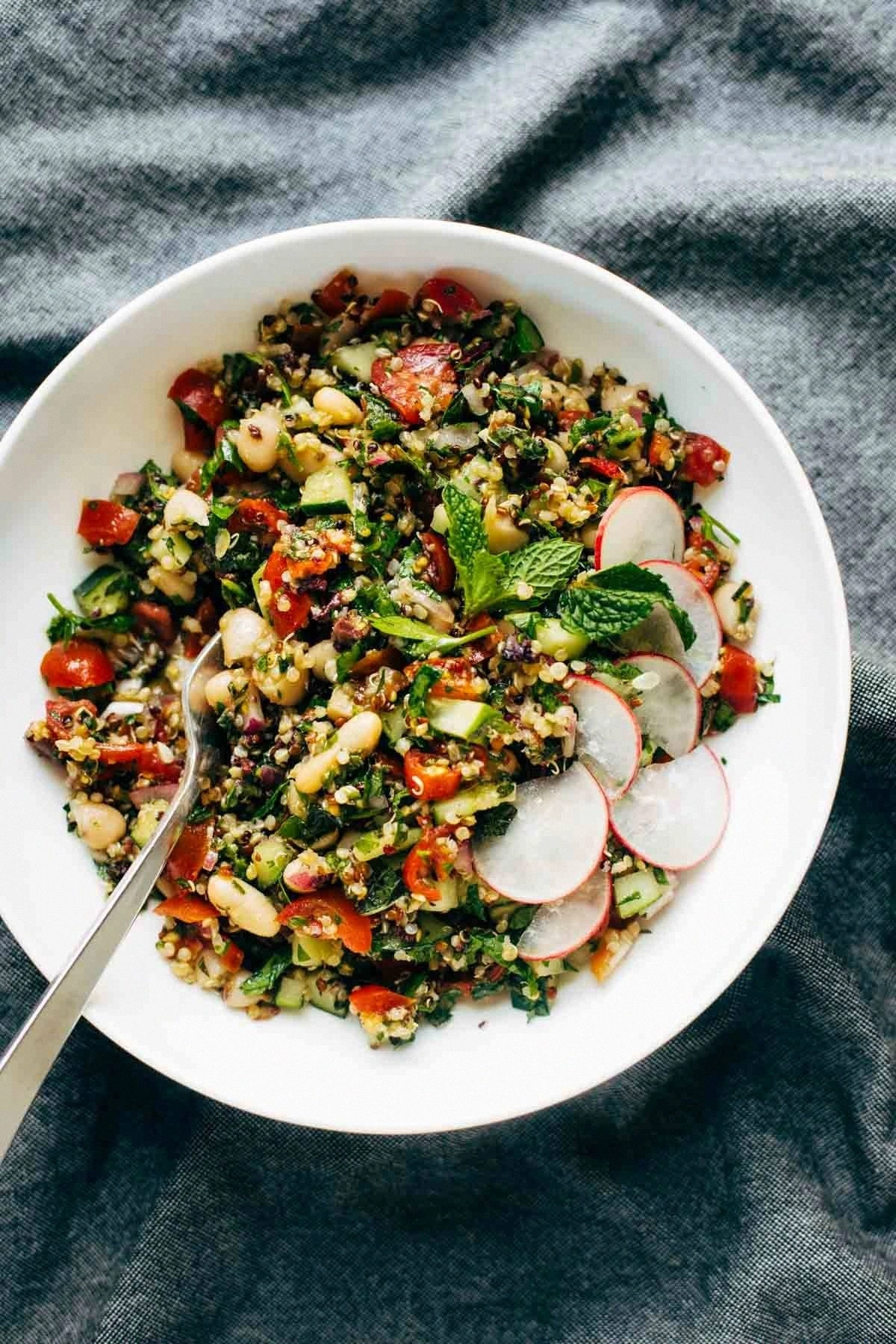
The Method — Step by Step
Start by preparing the vegetables. Dice the cucumber, tomatoes, and red onion into uniform, bite‑size cubes—aim for about a half‑inch each. As you chop, the kitchen fills with the fresh, crisp scent of cucumber and the sweet perfume of tomatoes. This is the moment where the salad begins to look like a vibrant mosaic, and you’ll notice the colors already popping against each other. Power tip: keep a bowl of ice water nearby for the cucumber cubes; a quick dip will keep them extra crisp.
Next, move on to the olives and feta. Slice the Kalamata olives thinly so they release their briny juice into the mix, then cube the feta into generous ¾‑inch pieces. Heat a non‑stick skillet over medium‑high heat, add a drizzle of olive oil, and lay the feta cubes in a single layer. Listen for that satisfying sizzle—this is the sound of flavor building. After about 90 seconds, flip them so each side gets a golden crust. Watch Out: don’t over‑cook; the feta should stay soft inside, otherwise it becomes rubbery.
- Kitchen Hack: While the feta sears, whisk the lemon juice, olive oil, chopped oregano, and mint together in a separate bowl. Adding a pinch of sea salt at this stage helps emulsify the dressing, giving it a silky texture.
Once the feta is perfectly seared, transfer it onto a paper towel to absorb excess oil, then let it rest for a minute. The residual heat continues to develop a caramelized flavor that will later mingle with the lemon‑herb dressing, creating a depth you’d never expect from a simple salad.
Combine the chopped vegetables, olives, and rested feta in a large mixing bowl. Toss gently to distribute the ingredients evenly. At this point, the bowl looks like a rainbow that’s about to be drenched in sunshine. Sprinkle a modest pinch of sea salt and freshly cracked black pepper over the top—this is the first layer of seasoning that will be amplified by the dressing.
Now for the pièce de résistance: the dressing. Drizzle the lemon‑herb mixture over the salad, then use two large spoons to fold everything together. The lemon should instantly perfume the air, and the herbs will start to unfurl their fragrant oils. Keep folding until every cube is lightly coated; you’re looking for a sheen that clings without drowning the vegetables.
Here’s where the secret sparkles in. Take a splash of sparkling water—about two tablespoons—and gently stir it into the dressing. The carbonation creates tiny bubbles that lift the lemon flavor, giving each bite a subtle, refreshing pop. It’s a trick that most chefs overlook, but trust me, it makes the salad feel alive.
Cover the bowl with plastic wrap and let it rest in the refrigerator for at least 30 minutes. This resting period is crucial; it allows the flavors to meld, the lemon to penetrate the vegetables, and the herbs to release their aromatic oils. Picture yourself pulling this out of the fridge later, the whole kitchen smelling incredible, and the salad looking like it was assembled just before serving.
When you’re ready to serve, give the salad one final gentle toss, taste for seasoning, and adjust with a pinch more salt or a drizzle of extra‑virgin olive oil if needed. Serve it in a wide, shallow bowl so the vibrant colors shine. This final moment is the payoff of all your effort—each bite delivers a burst of citrus, a whisper of herb, and a satisfying crunch that will have everyone asking for the recipe.
That's it — you did it. But hold on, I've got a few more tricks that'll take this to another level...
Insider Tricks for Flawless Results
The Temperature Rule Nobody Follows
Always use chilled ingredients—especially the cucumber and tomatoes. When the veggies are cold, they retain their crunch longer after the lemon dressing is added. I once used room‑temperature vegetables and the salad went soggy within minutes; the lesson? Keep everything cold until the last minute.
Why Your Nose Knows Best
Before you add the salt, give the salad a quick sniff. The lemon’s acidity will make you think you need more salt, but the olives already bring a briny punch. Trust your nose; it’s smarter than any measuring spoon.
The 5‑Minute Rest That Changes Everything
After tossing the salad with the dressing, let it sit for exactly five minutes before serving. This short rest lets the lemon juice break down the cucumber’s cell walls just enough to release a subtle sweetness, while the herbs fully infuse the oil.
Friend’s Fail: Skipping the Feta Sear
A kitchen buddy once served this salad with raw feta cubes, thinking it would save time. The result? A dry, crumbly texture that made the dish feel unfinished. The sear is non‑negotiable—it adds a caramelized crust that’s the secret to the salad’s depth.
Herb Timing: Add Mint Last
Mint loses its bright, cool flavor when exposed to heat for too long. Sprinkle it in at the very end, just before serving, to preserve its refreshing snap. This tiny timing tweak makes the difference between a muted herb note and a lively burst.
Creative Twists and Variations
This recipe is a playground. Here are some of my favorite ways to switch things up:
Greek‑Meets‑Mediterranean
Swap the feta for crumbled goat cheese and add a handful of toasted pine nuts. The goat cheese brings a tangy creaminess while the pine nuts add a buttery crunch, turning the salad into a richer appetizer.
Spicy Kick
Stir in a teaspoon of harissa paste into the lemon dressing and sprinkle thinly sliced jalapeños over the top. The heat pairs beautifully with the citrus, creating a lively contrast that will make spice lovers swoon.
Summer Harvest
Replace half the cucumber with diced watermelon and add fresh basil instead of mint. The sweet watermelon balances the lemon’s acidity, and basil adds a sweet‑peppery note that feels like a garden party on a plate.
Protein Power
Fold in grilled chicken breast strips or marinated shrimp for a heartier main course. The protein absorbs the lemon‑herb dressing, making each bite a complete, satisfying meal.
Vegan Version
Swap feta for cubed firm tofu that’s been lightly pan‑fried in olive oil. Use capers instead of olives for a briny pop, and the result is a fully plant‑based salad that still delivers on texture and flavor.
Herb‑Infused Oil Drizzle
Blend a handful of the same herbs with olive oil and drizzle over the finished salad. This adds an extra layer of aromatic richness and makes the dish look glossy and restaurant‑ready.
Storing and Bringing It Back to Life
Fridge Storage
Transfer the salad to an airtight container and store it in the refrigerator for up to 24 hours. The lemon dressing will continue to meld, intensifying the flavors. Before serving, give it a quick toss and taste for seasoning; a tiny splash of olive oil may be needed.
Freezer Friendly
While this salad isn’t ideal for long‑term freezing, you can freeze the feta cubes and olives together for up to two months. Thaw them in the fridge, then reassemble the salad with fresh vegetables for a quick fix.
Best Reheating Method
When you’re ready to revive a refrigerated batch, add a tablespoon of sparkling water and a drizzle of fresh lemon juice, then stir gently. The added moisture creates steam that revives the crispness without wilting the veggies.