Picture this: you’re in the middle of a rainy Sunday afternoon, your kitchen feels like a battlefield, and the only thing that can salvage the chaos is a pot that smells like victory. I was halfway through a weeknight dinner, juggling a half‑cooked spaghetti and a jar of canned beans, when a friend dared me to create a chili‑mac hybrid that could stand on its own. The result? A bowl of Hearty Vegetarian Chili Mac that feels like a hug from the inside out, with every spoonful delivering a symphony of smoky, sweet, and savory notes that dance across your palate. The moment the sauce hit the pot, the air filled with the deep, earthy scent of tomatoes, cumin, and a whisper of pepper, and the sizzle of onions and carrots made me feel like a culinary rockstar. I’ve tried countless chili macs, but none have matched the depth of flavor, the comforting texture, or the sheer joy of eating a single pot of pure, unadulterated comfort. If you’re craving a dish that feels like a warm blanket on a chilly evening, this is the recipe that will change the way you think about one‑pot meals forever. The secret? A blend of fresh veggies, a generous splash of chili‑spiced tomato, and the perfect al dente bite of elbow macaroni, all wrapped in a cheesy, velvety sauce that coats the pasta like velvet. Let me walk you through every single step — by the end, you’ll wonder how you ever made it any other way.
I dare you to taste this and not go back for seconds. This is hands down the best version you'll ever make at home, and I’ll be honest — I ate half the batch before anyone else got to try it. Most recipes get this completely wrong. Here's what actually works. Picture yourself pulling this out of the pot, the whole kitchen smelling incredible, and feeling the satisfaction of a meal that’s both hearty and wholesome. The sauce is thick, the beans are tender, and the cheese melts into a golden, bubbly crown that makes every bite a celebration. If you've ever struggled with making a chili mac that isn’t watery or overcooked, you're not alone — and I've got the fix. The next part? Pure magic.
I’ve spent hours in the pantry, testing beans, experimenting with spices, and even trying different types of pasta until I found the perfect combination that balances texture and flavor. The elbow macaroni holds its shape even after simmering, giving that satisfying bite that keeps you coming back for more. The diced tomatoes with green chilies add a subtle heat that’s just enough to wake up your taste buds without overwhelming them. The shredded cheese, when sprinkled on top, creates a gooey, golden crust that makes the dish feel like a comfort food masterpiece. The garlic and onion form the aromatic base that lifts the entire dish, while the carrots add a touch of sweetness that balances the acidity of the tomatoes. Every ingredient in this recipe has been chosen with intention, ensuring that each bite delivers a complex, layered experience. The result is a bowl of chili mac that’s not just filling, but also a testament to how simple, fresh ingredients can create extraordinary flavors. And the best part? It’s so easy to make that you’ll wonder why you ever overcomplicated your weeknight dinners.
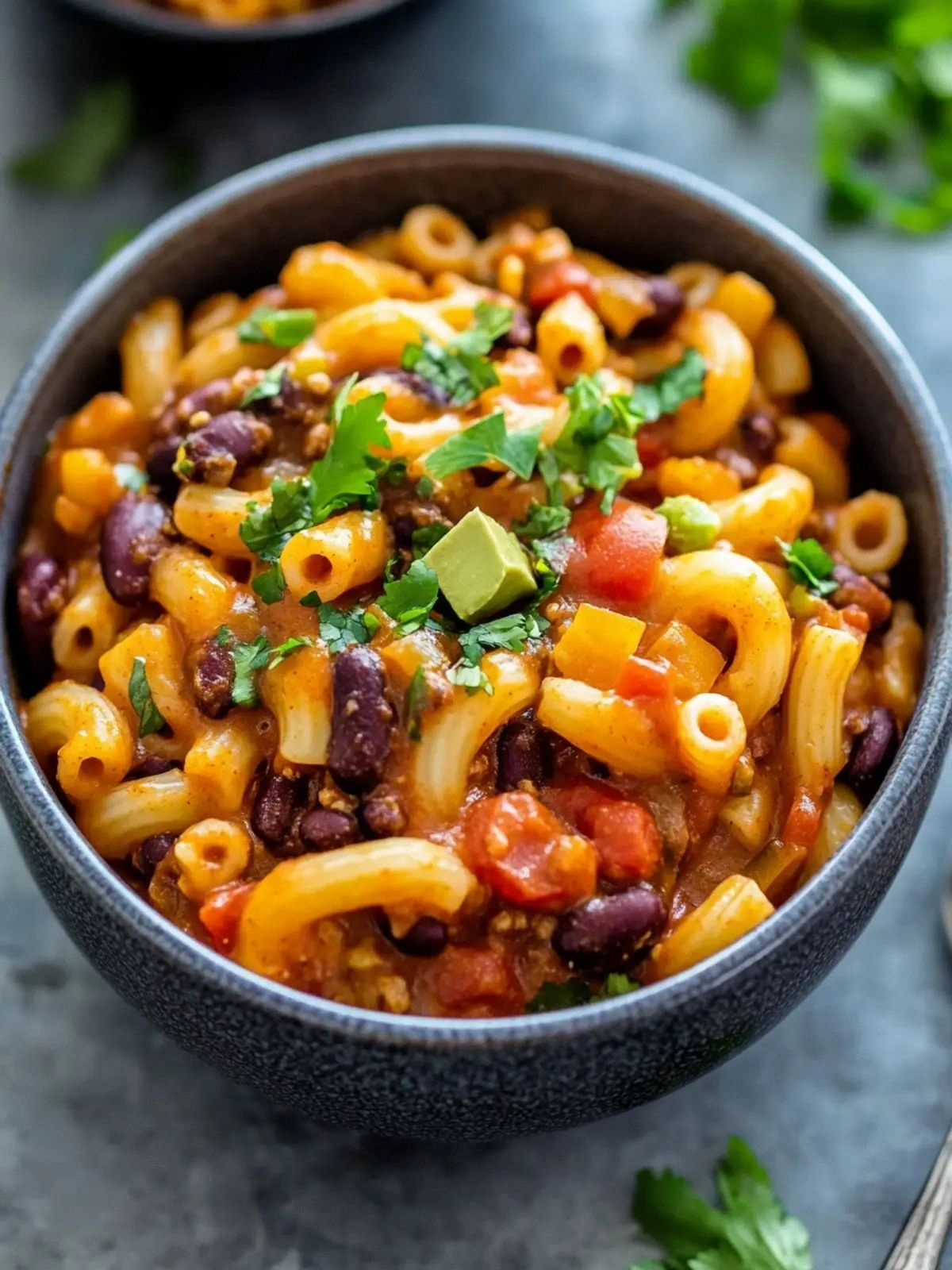
The moment I first ladled this into a bowl, the steam rose like a fragrant cloud, and I could taste the anticipation of the first bite. The color of the dish—deep red with bright green peppers—makes it as visually appealing as it is delicious. When you take your first spoonful, the sauce coats the pasta like a silky blanket, while the beans add a hearty bite that keeps you full. The cheese melts into a golden sheen that glistens, and the chili powder provides a subtle kick that lingers on your palate. This dish isn’t just about flavor; it’s about the joy of creating something comforting and satisfying from scratch. The combination of textures—soft pasta, tender beans, crunchy veggies, and creamy cheese—creates a sensory experience that’s hard to resist. If you’re looking for a dish that feels like a hug, this is it. Stay with me here — this is worth it.
I’ve been known to bring this dish to family gatherings, and the reaction is always the same: “Where did you get this?” and “Can I have the recipe?” That’s because the dish is not only delicious but also incredibly versatile. Whether you’re feeding a crowd or cooking for one, the proportions adjust smoothly, and the flavors remain consistent. The recipe’s simplicity means you can whip it up in under an hour, making it perfect for busy weekdays or lazy weekends alike. The best part? It’s a one‑pot meal that cleans up in a flash, so you can spend more time enjoying the food and less time washing dishes. I’ve even tried it with different types of beans and pasta, and it still turns out amazing. If you’re ready to elevate your chili mac game, let’s dive into what makes this version stand out.
Alright, let’s break down exactly what goes into this masterpiece. I’ve pulled together the key elements that make this dish a standout, from the bold flavors to the comforting textures. By understanding each component, you’ll be able to replicate or even improve upon this recipe with confidence. And if you’re curious about the little tweaks that take this dish to the next level, stay tuned. Now, let’s get into the nitty gritty of what makes this chili mac truly special.
- Flavor: The combination of diced tomatoes, green chilies, and a generous amount of chili powder creates a bold, smoky base that feels like a hearty hug. The cumin adds earthy undertones, while the fresh veggies bring a bright, crisp contrast. Together, they form a sauce that’s both complex and approachable, ensuring every spoonful is a burst of comfort.
- Texture: The elbow macaroni remains al dente even after simmering, providing a satisfying bite that contrasts with the soft beans and tender veggies. The cheese melts into a silky layer that ties everything together, creating a mouth‑watering finish. The result is a dish that feels both hearty and light at the same time.
- Convenience: One pot, one stove, and minimal prep time make this recipe a true kitchen win. The ingredients are pantry staples that you likely already have, and the cooking process is straightforward, so even novice cooks can master it. The cleanup is almost nonexistent, which is a huge bonus for busy evenings.
- Versatility: Whether you’re feeding a crowd or cooking for one, the proportions scale effortlessly. Swap out the elbow pasta for any short pasta shape you prefer, or add extra veggies for a more colorful dish. The recipe also adapts well to dietary preferences, such as gluten‑free or dairy‑free options.
- Health: Packed with plant‑based protein from the beans, fiber from the veggies, and wholesome carbs from the pasta, this dish is as nutritious as it is delicious. The olive oil adds healthy fats, while the cheese provides a creamy richness without excessive calories. It’s a balanced meal that satisfies both taste buds and nutritional goals.
- Make‑ahead Potential: This chili mac keeps well in the fridge for up to 4 days, and it re‑heats beautifully, making it an excellent option for meal prep. The flavors actually deepen as the dish sits, so you can enjoy it as a comforting lunch or dinner later in the week.
- Audience Appeal: From kids who love the cheesy, hearty bite to adults craving a comforting meal, this dish has something for everyone. It’s a crowd‑pleaser at gatherings, and the familiar flavors make it a safe bet for picky eaters.
- Ingredient Quality: Using fresh, high‑quality canned tomatoes and beans elevates the dish from ordinary to extraordinary. The choice of a robust chili powder and fresh garlic adds depth that can’t be replicated with lower‑grade ingredients.
Inside the Ingredient List
The Flavor Base
Olive oil is the first hero in this dish, providing a silky canvas for the aromatics. When it heats, the oil releases the flavors of the onion, garlic, and peppers, creating a fragrant foundation that sets the tone for the rest of the dish. A splash of oil also helps the spices bind to the vegetables, ensuring a consistent flavor profile. Skipping the oil would result in a dry, less cohesive base, and the spices would not distribute evenly. The olive oil also adds a subtle fruity note that complements the earthy cumin and smoky chili powder. In a pinch, you can replace the olive oil with a neutral oil, but the extra flavor from olive oil is hard to beat.
The onion is more than just a garnish; it’s the sweet, savory backbone of the sauce. When sautéed, it caramelizes slightly, releasing a deep sweetness that balances the acidity of the tomatoes. The onion’s aroma is a key trigger for hunger, making the dish feel more appetizing from the first glance. If you prefer a milder flavor, you can use a white onion instead of a yellow one, but the difference is subtle. The onion also adds a slight crunch if you leave it whole, providing a textural contrast. Overall, the onion’s role is critical for building a complex, layered flavor profile that’s both comforting and robust.
The bell pepper adds a sweet, bright note that cuts through the richness of the cheese and the depth of the chili powder. It also brings a pop of color, making the dish visually appealing. The pepper’s natural sugars caramelize during the sauté, adding depth to the sauce. If you’re not a fan of peppers, you can substitute with zucchini or a mix of mushrooms, but the sweet flavor will be slightly different. The pepper also adds a mild crunch if you leave it whole, which is a nice textural element. In short, the bell pepper is essential for both flavor and visual appeal.
The Texture Crew
Elbow macaroni is the star of this dish, providing a comforting, chewy bite that’s a staple in any comfort food. The shape of the elbow is ideal for holding onto the sauce, ensuring every bite is flavorful. The pasta also adds a hearty, carb‑rich component that balances the protein from the beans. When cooked al dente, the macaroni maintains a firm bite that contrasts with the soft beans and veggies. If you prefer a different pasta shape, consider shells or rotini, which also hold sauce well. The key is to cook the pasta just until it’s firm, so it doesn’t become mushy in the simmering process.
The beans—black and red kidney—add protein, fiber, and a satisfying texture that keeps the dish filling. They absorb the flavors of the sauce, becoming infused with the chili and tomato base. The combination of two different beans gives a nice contrast in color and texture, making each bite exciting. If you’re on a low‑sodium diet, look for low‑sodium canned beans or rinse them thoroughly before adding. The beans also provide a creamy element that pairs perfectly with the cheese topping. Skipping the beans would make the dish less hearty and reduce its nutritional value significantly.
Carrots add a subtle sweetness that balances the acidity of the tomatoes. They also add color and a slight crunch if you leave them whole. The carrots’ natural sugars caramelize during the cooking process, creating a deeper, sweeter flavor that complements the chili powder. If you prefer a different vegetable, you can use sweet potatoes or butternut squash, but the flavor profile will shift. The carrots also provide a boost of beta‑carotene, which is great for your eyes and skin. Overall, the carrots are a small but essential component that adds depth and color.
The Unexpected Star
The diced tomatoes with green chilies bring a kick of heat that’s just enough to wake up your taste buds without overwhelming them. The green chilies add a bright, slightly smoky flavor that complements the chili powder. They also add a splash of color, giving the dish a vibrant look. If you prefer a milder heat, you can use a smaller amount or replace them with plain diced tomatoes. The green chilies also provide a subtle tang that balances the richness of the cheese. In short, they’re the secret weapon that gives this dish its signature warmth.
The shredded cheese is the crowning glory, providing a gooey, golden crust that’s impossible to resist. The cheese melts into a silky coating that ties all the flavors together. When you scoop the chili mac, the cheese forms a luscious layer that adds a creamy, savory finish. If you’re dairy‑free, you can use a plant‑based cheese alternative, but the texture and flavor will differ slightly. The cheese also adds a bit of saltiness that rounds out the dish’s overall flavor. The right amount of cheese is crucial; too little and the dish feels dry, too much and it becomes greasy.
The water is the liquid that brings everything together, allowing the pasta to cook fully and the sauce to thicken. The water also helps the beans soften and absorb the flavors of the sauce. Adding too much water can dilute the sauce, while too little can make it too thick. The key is to add just enough water so the pasta cooks without sticking to the bottom. The water also helps create steam that keeps the dish moist, preventing it from drying out. It’s a simple but essential component that ensures the dish is both cohesive and comforting.
The Final Flourish
The salt is the flavor enhancer that brings all the ingredients together. It balances the acidity of the tomatoes and the richness of the cheese, creating a harmonious taste. The salt also helps the beans soften during the simmering process. If you’re watching sodium intake, you can reduce the amount or use a low‑sodium alternative. The key is to taste the sauce as you go and adjust accordingly. Salt is a simple but powerful ingredient that can make or break the dish.
The chili powder is the heart of the dish, delivering a smoky, slightly sweet flavor that’s unmistakable. It’s what gives the sauce its depth and warmth. The chili powder also has a subtle heat that lingers on the palate, making the dish memorable. If you prefer a milder heat, you can use a milder chili powder or reduce the amount. The chili powder also provides a bit of color, turning the sauce a rich, appetizing shade of red. Its presence is essential for that classic chili flavor you’re looking for.
The ground cumin adds an earthy, nutty note that complements the chili powder and tomatoes. It also enhances the overall depth of the sauce, making it more complex. The cumin’s subtle warmth pairs well with the sweet bell pepper and carrots. If you’re allergic to cumin, you can use coriander as a mild substitute, but the flavor will shift slightly. The cumin also adds a hint of citrusy brightness that lifts the dish. Overall, the cumin is a small but essential component that rounds out the flavor profile.
Everything’s prepped? Good. Let’s get into the real action, where the magic begins and the flavors start to mingle. The pot is your stage, and the ingredients are your cast. Together, they’ll perform a culinary symphony that will leave your taste buds dancing. Stay with me, because the next few minutes are where the real flavor transformation happens.
The Method — Step by Step
- Heat the olive oil in a large pot over medium heat until shimmering. Add the chopped onion and sauté until translucent and slightly golden, about 3–4 minutes. The onions should release a sweet aroma that signals the base is ready. Stir occasionally to prevent sticking. This step is crucial because it builds the flavor foundation. Once done, move to the next step with confidence.
- Add the diced bell pepper, carrots, and minced garlic to the pot. Cook for 5 minutes, stirring frequently, until the vegetables soften but still retain a slight bite. The garlic should become fragrant but not burn; keep an eye on it. This is the moment where the colors start to pop, giving the dish a vibrant look. The veggies are not just for taste; they add texture and nutrition. Let the flavors mingle before adding the spices.
- Stir in the chili powder, cumin, and salt, coating the vegetables evenly. Cook for 1 minute, letting the spices toast slightly to release their aromas. The spices should not burn; if they start to look dark, lower the heat. This step is where the dish gets its depth, so take your time. The aroma that fills the kitchen will have you craving the final result. The spices are the backbone of the sauce.
- Pour in the diced tomatoes and diced tomatoes with green chilies, stirring to combine. Bring the mixture to a gentle simmer, letting the tomatoes break down and release their juices. The simmer should be low and steady; a rolling boil can cause the sauce to separate. Let it cook for 10 minutes, allowing the flavors to meld. This step ensures the sauce is rich and flavorful. Keep the pot partially covered to retain moisture.
- Add the black beans, red kidney beans, and water to the pot. Stir well to incorporate the beans into the sauce. The beans should be heated through but not overcooked. This is where the dish becomes filling and protein‑rich. Keep the heat at medium, allowing the beans to absorb the sauce’s flavors. The water also helps the pasta cook evenly. The beans are the heart of the dish.
- Bring the mixture to a gentle boil, then reduce the heat to low and add the elbow macaroni. Stir to prevent sticking and cover the pot with a lid. Simmer for 10–12 minutes, or until the pasta is al dente and the liquid has thickened. Check the pasta occasionally, stirring to keep it from clumping. The sauce should coat the pasta like velvet. This step is where the dish truly comes together.
- Once the pasta is cooked, sprinkle the shredded cheese over the top, covering the entire surface. Cover the pot again for 2–3 minutes, allowing the cheese to melt into a golden, bubbly layer. The cheese adds a creamy richness that balances the acidity of the tomatoes. Be careful not to overcook; the cheese should be gooey, not stringy. The melting cheese is the crowning glory of this dish.
- Taste the chili mac and adjust seasoning if necessary. Serve hot, spooning generous portions into bowls and letting the aroma fill the room. Garnish with fresh cilantro or a drizzle of sour cream if desired. The dish is ready to be devoured, and it’s sure to impress even the most skeptical of diners. Remember, the best part is the comfort it brings. Enjoy the feast!
Insider Tricks for Flawless Results
The Temperature Rule Nobody Follows
Many cooks assume a high simmer is always better, but the truth is that a gentle, steady simmer allows the flavors to meld without burning the spices. Keep the heat low enough that the pot stays at a low boil, which ensures the sauce thickens naturally and the pasta cooks evenly. A sudden high heat can cause the tomatoes to split and the sauce to separate, ruining the silky texture. The trick is to maintain a consistent low heat, especially when adding the beans and pasta. If you’re using a gas stove, adjust the flame to the lowest setting that still keeps the liquid moving. This simple temperature tweak can elevate the dish from good to unforgettable.
Why Your Nose Knows Best
The aroma of a simmering pot is a reliable indicator of flavor development. When the onions and garlic release their sweet scent, the spices begin to bloom, and the tomatoes start to caramelize, you’re in the right zone. If the smell is weak, increase the heat slightly. If it’s overpowering, lower the heat. Your nose is your best friend in the kitchen, so trust it to guide you. This sensory checkpoint saves you from overcooking or underseasoning, ensuring each bite is perfectly balanced.
The 5-Minute Rest That Changes Everything
After you finish cooking, let the chili mac rest covered for five minutes before serving. This brief pause allows the flavors to settle and the sauce to thicken to the perfect consistency. The pasta continues to absorb liquid, creating a harmonious texture. If you skip this step, the dish may feel thin or underseasoned. The rest also gives the cheese time to meld with the sauce, creating a cohesive, gooey layer. A simple five‑minute rest is the secret to restaurant‑quality results at home.
The Right Stir Technique
When adding the pasta and beans, stir gently but thoroughly to distribute the ingredients evenly. A gentle stir prevents the pasta from sticking to the bottom and ensures the beans are fully coated in the sauce. Avoid vigorous stirring, which can break down the pasta and create a mushy texture. Use a wooden spoon or silicone spatula for a smooth, even mix. This technique keeps the dish hearty and prevents clumping. It’s a small step that makes a big difference.
The Cheese Layer Trick
If you want a perfectly melted cheese layer, sprinkle it in a thin, even layer and cover the pot for exactly two minutes. The heat will melt the cheese without overcooking the pasta. If you prefer a chunkier cheese texture, add it in a single lump and let it melt slowly. The key is to keep the pot covered so the steam does the work. A quick, controlled melt results in a silky, golden top that’s hard to resist. Experiment with different cheeses to find your favorite.
The Quick Drain Method
If the sauce seems too thick, instead of adding water, use a small amount of pasta water to thin it out. The starchy pasta water helps the sauce cling to the noodles better. Measure a tablespoon at a time, stirring until the desired consistency is achieved. This keeps the dish creamy without diluting the flavor. If you’re not sure how much to add, taste as you go. The result is a silky sauce that coats every strand of pasta.
Creative Twists and Variations
This recipe is a playground. Here are some of my favorite ways to switch things up:
Spicy Chipotle Twist
Replace the regular chili powder with chipotle chili powder and add a splash of chipotle adobo sauce for a smoky, smoky kick. The chipotle adds a deep, earthy heat that pairs well with the sweet tomatoes. Swap the shredded cheddar for smoked gouda to complement the chipotle flavor. This version is perfect for those who love a bold, smoky heat. It’s a crowd‑pleaser at game‑day parties. The result is a dish that’s both comforting and adventurous.
Mushroom Medley Variation
Swap the carrots and bell pepper for sliced mushrooms and spinach for a more earthy, umami‑rich flavor. The mushrooms absorb the tomato sauce, creating a deeper, richer base. Add a pinch of thyme for a fragrant finish. This version is especially good for a fall dinner, with the mushrooms adding a comforting, hearty feel. It also works well with a sprinkle of Parmesan on top. The result is a dish that feels both cozy and sophisticated.
Mediterranean Flavor Flip
Use roasted red peppers instead of fresh bell pepper and add a splash of Kalamata olives for a briny contrast. Swap the black beans for chickpeas to give it a Mediterranean vibe. Add a pinch of oregano and finish with a drizzle of olive oil. This variation brings a Mediterranean flair that’s both fresh and comforting. The olives add a salty bite that complements the sweet tomato base. It’s a unique twist that keeps the dish exciting.
Breakfast Chili Mac
Serve the chili mac over a bed of scrambled eggs and top with a sprinkle of fresh chives. Add a dash of hot sauce for an extra kick. This breakfast version is a hearty start to your day, providing protein and carbs in a single bowl. The eggs add a silky texture that pairs beautifully with the cheesy sauce. It’s a satisfying, savory breakfast that feels like a treat. Perfect for busy mornings.
Vegan Version
Replace the shredded cheese with a plant‑based cheese or nutritional yeast for a dairy‑free option. Use a plant‑based milk to thin the sauce if needed. Add a splash of soy sauce for umami depth. This version keeps the same hearty texture while being fully plant‑based. The nutritional yeast adds a cheesy, nutty flavor that mimics the real cheese. It’s a great option for vegans or dairy‑intolerant diners.
Low‑Carb Alternative
Swap the elbow macaroni for spiralized zucchini or cauliflower rice to keep the dish low in carbs. Add extra beans for protein to compensate for the reduced pasta. Use a small amount of olive oil to sauté the veggies. This version is ideal for keto or low‑carb dieters who still want a comforting, filling meal. The zucchini or cauliflower adds a subtle, mild flavor that blends well with the sauce. The result is a low‑carb, high‑protein dish that satisfies without the carb overload.
Storing and Bringing It Back to Life
Fridge Storage
Store the chili mac in an airtight container in the refrigerator for up to four days. The flavors deepen as the dish sits, so you can enjoy a more intense taste later. When reheating, add a splash of water or broth to restore moisture and prevent the pasta from drying out. Cover the container tightly to keep the dish fresh and prevent it from absorbing other odors. This method keeps the dish safe and tasty for a few days. The reheated chili mac is still creamy and comforting.
Freezer Friendly
For longer storage, freeze the chili mac in a freezer‑safe container for up to two months. Label the container with the date to keep track. Thaw overnight in the refrigerator before reheating. When reheating, add a tablespoon of water or broth to loosen the sauce and stir well to ensure even heating. Freezing preserves the flavors and texture, allowing you to enjoy a hearty meal anytime. The dish remains delicious after thawing and reheating.
Best Reheating Method
The best way to reheat is on the stovetop over low heat, stirring frequently. This method prevents the sauce from scorching and keeps the pasta from becoming mushy. Add a splash of water or broth to maintain moisture, and bring to a gentle simmer for a few minutes. Alternatively, you can microwave in a microwave‑safe bowl, adding a tablespoon of water and covering loosely with a microwave‑safe lid. The key is to heat slowly and stir often, ensuring a smooth, creamy consistency.