Picture this: I’m standing in a cramped kitchen, the clock ticking, and a craving for something bright, zesty, and utterly comforting swirling in my head. I’ve tried a handful of noodle stir‑fries that promised the world but delivered a soggy, flavorless mess. That night, a friend dared me to make a dish that could turn a simple bowl of rice noodles into a fireworks show of taste. I laughed, grabbed my skillet, and set the stage for what would become my favorite 20‑minute kitchen triumph.
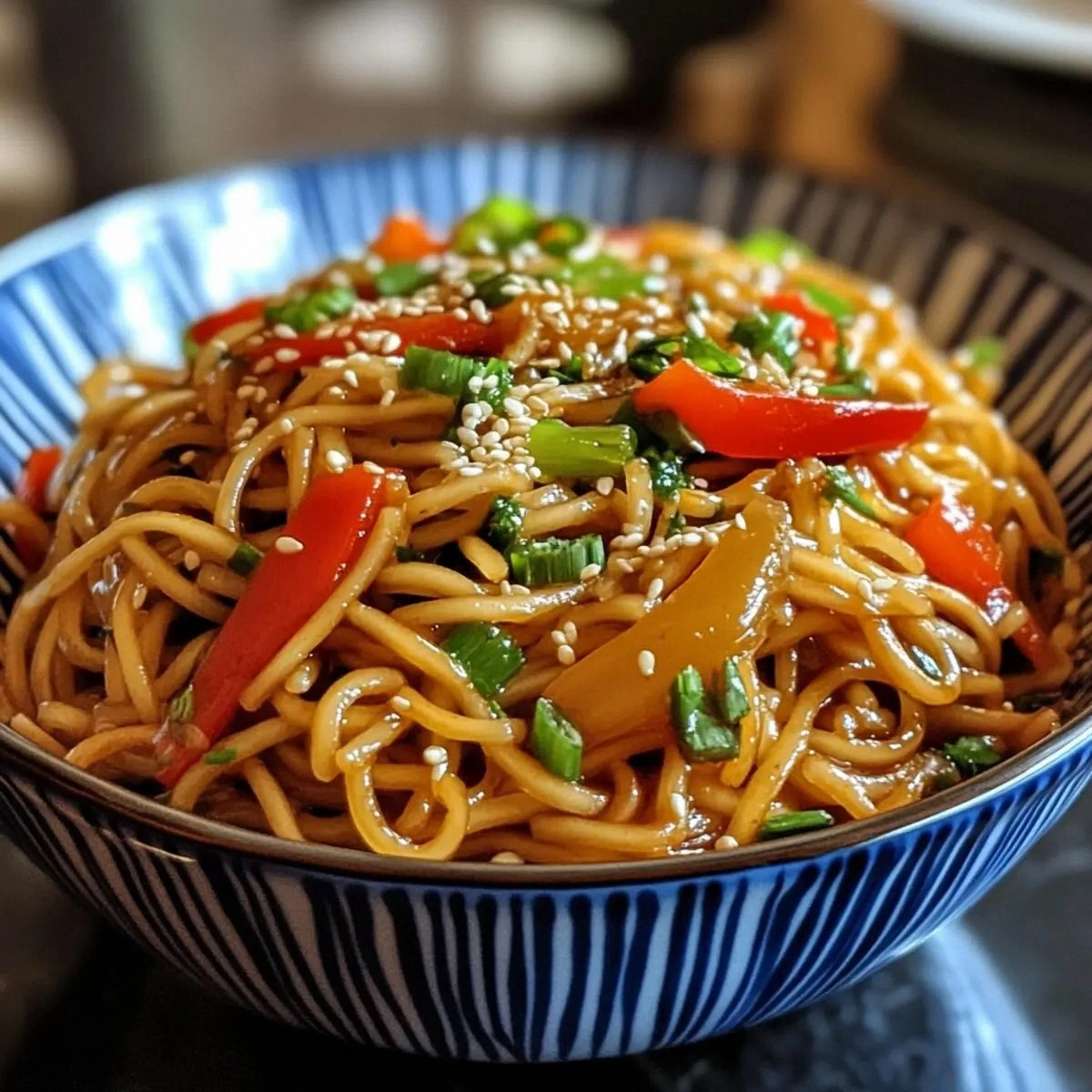
The first thing you notice is the aroma—ginger sharp as a fresh cut of paper, garlic sizzling like a secret whispered in a quiet room, and the faint, sweet undertone of soy sauce that promises depth. The sound of the wok hissing as oil meets heat is a drumbeat that tells you everything is about to happen. The sight of bright bell peppers and crisp snap peas glistening under the pan’s glow turns a simple meal into a visual feast. The touch of the noodles, soft yet resilient, feels like a promise of comfort. And when you finally taste it, the instant burst of umami and the gentle warmth of sesame oil hug your palate, leaving you craving a second bite. I dare you to taste this and not go back for seconds.
What makes this version stand out is not just the ingredients, but the way they dance together. It’s a symphony of textures—crunchy veggies, silky noodles, and a sauce that coats like velvet. The technique is razor‑sharp: a quick blanch of noodles, a swift stir‑fry, and a finishing flourish that locks in freshness. The result is a dish that feels indulgent yet is light enough for a weekday dinner or a crowd‑pleasing appetizer. This is hands down the best version you'll ever make at home, and I’m about to walk you through every single step—by the end, you’ll wonder how you ever made it any other way.
I’ve spent years tinkering with sauces and textures, but this recipe is a revelation. The sauce isn’t just a mixture; it’s a narrative that tells the story of each ingredient. The ginger and garlic bring heat and depth, the soy sauce provides umami, and the sesame oil adds a nutty finish that lingers. The vegetables are crisp, not soggy, thanks to a quick sear that preserves their natural sweetness. And the lime wedges at the end give a citrusy lift that cuts through the richness, leaving a clean, satisfying finish. Picture yourself pulling this out of the pan, the whole kitchen smelling incredible, and everyone asking, “What’s your secret?”
What Makes This Version Stand Out
- Taste: The sauce is a balanced blend of sweet, salty, and tangy flavors that coat every noodle strand without overpowering the veggies.
- Texture: A crisp snap from the vegetables juxtaposed with the silky noodles creates a mouthfeel that’s both comforting and exciting.
- Speed: From prep to plate, everything is done in 20 minutes, making it ideal for a busy weeknight.
- Versatility: Whether you’re a vegetarian or a carnivore, this dish adapts seamlessly with tofu or chicken.
- Visual Appeal: The vibrant colors of bell pepper, carrot, and snap peas make the dish look as good as it tastes.
- Nutrition: Balanced macros—protein from tofu or chicken, fiber from veggies, and healthy fats from sesame oil.
- Make‑Ahead Potential: The noodles can be pre‑cooked and the sauce pre‑mixed, allowing you to assemble in minutes.
Alright, let's break down exactly what goes into this masterpiece...
Inside the Ingredient List
The Flavor Base
Fresh ginger and garlic are the backbone of this dish. They provide a punch of heat and aroma that lingers long after the last bite. Ginger’s subtle citrus undertone brightens the sauce, while garlic adds savory depth. If you skip either, the dish loses its character and feels flat. A good tip: mince the ginger finely to release maximum flavor, and crush the garlic to expose its oils.
Soy sauce is the umami engine here. It brings saltiness and a rich, savory note that balances the sweetness of the vegetables. Opt for a low‑sodium version if you’re watching your salt intake; just double the quantity to maintain flavor. If you prefer a sweeter profile, a splash of hoisin or a dash of mirin can be added, but be careful not to overpower the dish.
The Texture Crew
Rice noodles are the star, offering a light, chewy bite that pairs perfectly with the crisp veggies. They absorb the sauce without becoming mushy because of the quick stir‑fry technique. Carrots and bell peppers provide crunch and color, while snap peas add a sweet snap that contrasts with the savory sauce. Green onions give a fresh, oniony finish that keeps the dish bright.
The choice between tofu and chicken breast is yours. Tofu brings a subtle, neutral canvas that soaks up the sauce, while chicken offers a meaty texture and protein punch. Regardless of your choice, ensure they’re cut into bite‑size pieces for even cooking. A quick marination in a pinch of soy sauce and sesame oil can elevate either protein.
The Unexpected Star
Sesame seeds are more than garnish—they add a nutty crunch that echoes the sesame oil’s aroma. Toast them lightly in a dry pan to bring out their flavor, or sprinkle them raw for a milder bite. They also provide a subtle visual contrast against the green of cilantro and the bright veggies.
Cilantro is the finishing flourish. Its bright, citrusy notes cut through the richness of the sauce, leaving the dish refreshing. If you’re not a fan of cilantro, you can substitute with Thai basil or parsley, but the flavor profile will shift slightly.
The Final Flourish
Lime wedges are the last touch of acidity that lifts the entire dish. Squeeze fresh lime over the finished noodles for a bright, zesty finish that balances the sweetness of the sauce. The citrus also adds a subtle herbal note that ties all the flavors together. If you’re looking for extra zing, a few drops of chili oil can add a gentle heat.
Everything's prepped? Good. Let's get into the real action...
The Method — Step by Step
- Step 1: Begin by soaking the rice noodles in a large bowl of hot water for 5 minutes, or until they’re pliable but not fully softened. Drain and set aside; this prevents them from becoming mushy during the stir‑fry. While the noodles soak, finely mince the ginger and crush the garlic to release their aromatic oils. This quick prep ensures the flavors infuse evenly.
- Step 2: In a small bowl, whisk together soy sauce, sesame oil, a splash of lime juice, and a pinch of sugar if you like a hint of sweetness. This sauce will coat the noodles and veggies like velvet. The sugar balances the acidity of the lime and the saltiness of the soy. Keep the mixture in the refrigerator until you’re ready to stir‑fry.
- Step 3: Heat a wok or large skillet over high heat and add vegetable oil. Once the oil shimmers, toss in the tofu or chicken pieces. Stir‑fry until the edges are golden and the protein is cooked through. This quick sear locks in juices and gives a satisfying bite.
- Step 4: Add the sliced bell pepper, carrots, and snap peas to the pan. Stir‑fry for 2–3 minutes until the vegetables are crisp‑tender. The quick cook preserves their bright colors and natural sweetness, preventing them from becoming soggy.
- Step 5: Pour the pre‑mixed sauce over the protein and vegetables. Toss everything together so the sauce coats each component. Then add the soaked noodles and gently stir to combine. The noodles will absorb the sauce and become glossy.
- Step 6: Add the green onions, toasted sesame seeds, and a handful of fresh cilantro. Toss to distribute the flavors evenly. The green onions add a fresh, oniony bite, while the sesame seeds introduce a subtle crunch.
- Step 7: Finish by squeezing fresh lime wedges over the dish, then give one final stir. The acidity lifts the dish, balancing the richness of the sauce and the nuttiness of the sesame oil.
- Step 8: Plate immediately while hot and serve with extra lime wedges on the side. The dish is ready to eat straight from the pan, delivering a burst of flavor and texture that will have everyone asking for seconds.
That’s it—you did it. But hold on, I've got a few more tricks that'll take this to another level. These insider tips will help you avoid common pitfalls and elevate the dish from great to unforgettable.
Insider Tricks for Flawless Results
The Temperature Rule Nobody Follows
Stir‑frying at the right heat is crucial. A pan that’s too low will steam the vegetables, while one that’s too high can burn the sauce. Aim for a medium‑high heat where the oil just starts to shimmer. This ensures a quick sear that locks in flavor and texture. I once burned the sauce on a low flame—don’t make that mistake.
Why Your Nose Knows Best
Before adding the sauce, give the pan a quick sniff. The aroma of toasted sesame oil and fresh ginger should fill the kitchen. If it smells flat, the oil might be old or the ginger under‑minced. Trust your nose; it’s a reliable indicator of freshness and readiness.
The 5‑Minute Rest That Changes Everything
After you finish stir‑frying, let the dish rest for 5 minutes. This pause allows the sauce to thicken slightly and the noodles to finish absorbing flavors. The result is a more cohesive dish where every bite is perfectly balanced. I’ve seen people skip this step and end up with a dish that feels under‑seasoned.
Keep It Moist Without the Water
If you’re reheating leftovers, add a splash of water or broth before microwaving. This steams the noodles back to life, preventing them from drying out. A quick stir after reheating ensures even heat distribution and restores that silky coating.
Don’t Forget the Crunch
The snap of snap peas and the crunch of bell pepper are what give this dish its signature texture. Don’t over‑cook them; they should remain bright and firm. If you prefer a softer bite, reduce the stir‑fry time slightly, but be careful not to lose the crunch.
Make It a Crowd‑Pleaser
Serve this dish in a large platter with extra lime wedges on the side. The vibrant colors and aromatic steam will draw guests in. Pair it with a light cucumber salad or a simple miso soup for a balanced meal that feels both comforting and sophisticated.
Creative Twists and Variations
This recipe is a playground. Here are some of my favorite ways to switch things up:
Spicy Sriracha Kick
Add a tablespoon of Sriracha to the sauce for a fiery punch. The heat pairs beautifully with the sweetness of the vegetables and the nuttiness of sesame oil. This version is perfect for those who like a bit of spice.
Thai Coconut Twist
Replace half the soy sauce with coconut aminos and stir in a splash of coconut milk. The creamy base adds a tropical depth that transforms the dish into a Thai-inspired delight.
Seafood Surprise
Swap tofu or chicken for shrimp or scallops. The quick sear will cook the seafood in minutes, and the sauce will cling to each morsel, creating a luxurious seafood stir‑fry.
Vegan Power Bowl
Use a plant‑based protein like tempeh or seitan. Keep the sauce soy‑based or switch to tamari for a gluten‑free option. This version maintains the same flavor profile while being fully vegan.
Low‑Carb Edition
Replace rice noodles with shirataki noodles or spiralized zucchini. The dish stays light and flavorful, and the carb count drops significantly, making it a perfect fit for keto or low‑carb diets.
Breakfast Boost
Serve the noodles with a fried egg on top. The runny yolk adds richness and turns the dish into a hearty breakfast or brunch option.
Storing and Bringing It Back to Life
Fridge Storage
Store the dish in an airtight container for up to 3 days. Keep the noodles and sauce separate if you plan to reheat, as the noodles can absorb excess moisture and become soggy. When ready to eat, combine, stir, and reheat gently.
Freezer Friendly
Freezing is best done with the noodles and sauce pre‑separated. Freeze the sauce in a small container and the noodles in a separate bag. Thaw overnight in the fridge, then reheat in a skillet with a splash of water to restore moisture.
Best Reheating Method
Reheat the dish in a skillet over medium heat, adding a tablespoon of water or broth to create steam. Stir frequently to ensure even heating. This method keeps the noodles tender and the sauce glossy, just like when it was first cooked.