I was standing in my kitchen, staring at a mound of potatoes that looked like a small, unappetizing hill, when my friend dared me to turn them into a dish that would make everyone at dinner swoon. The challenge was simple: make the crispiest, most flavorful roast potatoes you’ve ever tasted, and do it in a way that feels like a secret recipe only the best chefs know. I laughed, grabbed a cutting board, and started peeling those starchy giants. The scent of raw potato hit my nose first, a clean, earthy note that promised comfort. Then the faint metallic tang of the knife slicing through the skin, the soft click of the blade, and the satisfying thunk as the potatoes hit the pan. The sound was a prelude to the golden symphony that would soon play out on my stove.
Picture this: you’re halfway through the day, the kitchen smells like butter and rosemary, and your taste buds are already craving the first bite. That is the moment I reached for the olive oil, the garlic, and the rosemary, letting their aromas mingle and dance. The sizzle that starts when the potatoes hit the hot oil is a cue that the transformation is happening. It’s the kind of moment that makes you pause, inhale, and feel that your culinary adventure is about to hit its peak. And if you’re wondering whether this is just another roast potato recipe, trust me, it’s not. It’s a game-changer that will rewrite the way you think about a humble side dish.
I’ll be honest—when I first tasted the first batch, I ate half the plate before anyone else even got a fork. The crisp edges crackled like thin ice, while the inside stayed tender and fluffy, a contrast that made every bite an experience. The rosemary’s earthy aroma mingled with the buttery richness, and the garlic added a punch that cut through the oil’s heaviness. Most recipes get this completely wrong, leaving potatoes soggy or unevenly browned. Here’s what actually works: a proper parboil, a high heat roast, and a coating that’s both oil and butter. The result? Hands down the best version you’ll ever make at home.
If you’ve ever struggled with getting your roast potatoes crispy, you’re not alone, and I’ve got the fix. I dare you to taste this and not go back for seconds. The technique that sets this apart is a simple, yet often overlooked, step: parboiling the potatoes just long enough to start the starch gelatinization but not so long that they absorb too much water. That tiny detail is the secret to a fluffy interior and a crunchy exterior. The next part of the recipe will reveal how to incorporate a splash of butter for extra flavor and a touch of smoked paprika for a subtle smoky note. Stay with me here—this is worth it.
So let’s walk through every single step together. By the end, you’ll wonder how you ever made roast potatoes any other way. I’ll guide you through the prep, the roasting, and the finishing touches that elevate this dish from ordinary to unforgettable. Get ready to pull this out of the oven, the whole kitchen smelling incredible, and the plates glistening with golden perfection. Trust me, once you taste these, you’ll never settle for anything less.
What Makes This Version Stand Out
- Flavor: The combination of rosemary, garlic, and butter creates a depth that lingers long after the last bite.
- Texture: Parboiling followed by a high‑heat roast gives a fluffy interior and a crackling, caramelized crust.
- Ease: The recipe requires minimal prep—just a few simple steps that can be done while another dish cooks.
- Versatility: It works as a side for any main, from steak to fish, and can even be served as a snack with a dip.
- Crowd‑pleaser: The aroma alone will have your guests lining up for seconds.
- Ingredient Quality: Using high‑grade olive oil and fresh rosemary makes all the difference.
- Make‑Ahead Friendly: You can parboil and coat the potatoes ahead of time and finish them in the oven just before serving.
Inside the Ingredient List
The Flavor Base
Olive oil is the first layer of flavor that coats each potato piece, creating a barrier that keeps moisture out and allows the skin to brown beautifully. It also carries the rosemary and garlic aromas into the heart of the dish. If you skip oil, the potatoes will cling to the pan and never achieve that coveted crunch.
The Texture Crew
Parboiling is the secret weapon that unlocks fluffy interiors. Boiling the potatoes until they’re just tender but still firm prevents them from becoming mushy once roasted. If you skip this step, the potatoes will be dense and tough.
The Unexpected Star
A tablespoon of unsalted butter added at the end of roasting infuses a silky richness that balances the oil’s lightness. The butter also contributes to an even browning and gives a subtle nutty note. Without butter, the potatoes feel a bit flat.
The Final Flourish
Cracked black pepper and sea salt are the finishing touches that bring everything together. The pepper adds a gentle heat that cuts through the buttery sweetness, while the salt enhances all the other flavors. Skipping these would leave the dish bland.
Everything’s prepped? Good. Let’s get into the real action.
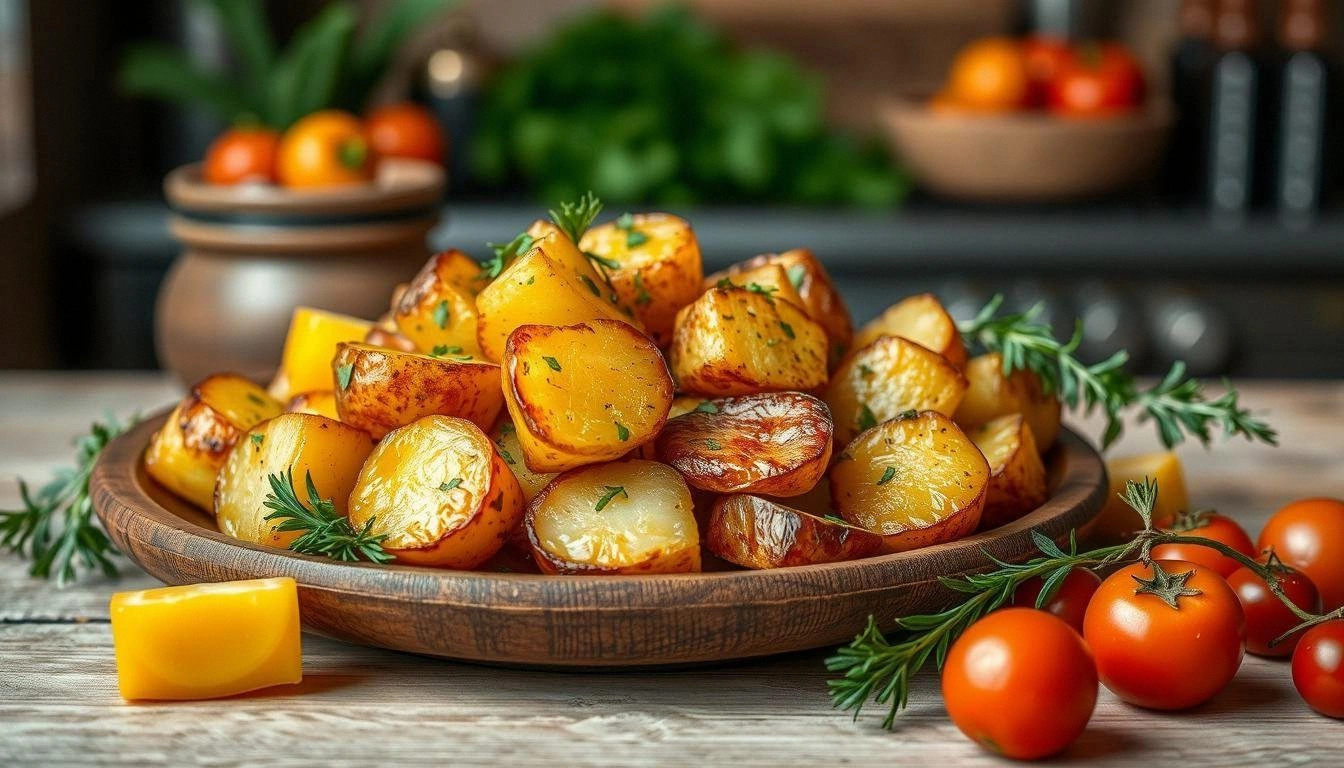
The Method — Step by Step
- Start by washing and peeling four medium russet potatoes. Cut them into even 1‑inch cubes to ensure uniform cooking. The size matters; too large and the centers will stay raw, too small and they’ll over‑cook and fall apart. Set the cut pieces aside on a clean towel to dry.
- Bring a pot of salted water to a rolling boil. Add the potato cubes and simmer for exactly five minutes. This partial cooking initiates starch gelatinization while preserving the interior structure. Drain the potatoes and pat them dry with a paper towel; moisture is the enemy of crisp.
- Preheat your oven to 425°F (220°C). While the oven warms, heat a large oven‑proof skillet over medium‑high heat. Add three tablespoons of olive oil and let it shimmer. When the oil is hot enough to make a faint hiss upon contact, toss the potatoes into the pan. Stir to coat them evenly.
- Season the potatoes with one teaspoon of sea salt, one teaspoon of cracked black pepper, and one teaspoon of dried rosemary. The rosemary should be distributed evenly, so sprinkle it in a thin layer over the pan and let it toast slightly. This step is where the aroma starts to build.
- Add three minced garlic cloves to the skillet. The garlic will release its oils and flavor, creating a fragrant base. Let the garlic cook for 30 seconds before moving on; too long and it will burn.
- Transfer the skillet to the preheated oven. Roast for 20 minutes, turning the potatoes every 5 minutes to ensure even browning. The edges should begin to pull away from the pan, forming a golden crust. Keep an eye on the color; if they’re browning too fast, lower the temperature slightly.
- When the potatoes are golden and crisp, remove the skillet from the oven. Add one tablespoon of unsalted butter and stir until it melts, coating each piece. The butter will add a glossy finish and a buttery depth that’s hard to resist.
- Give the potatoes one final toss to distribute the butter and ensure each bite is coated. Plate immediately, optionally sprinkling a pinch of smoked paprika for a subtle smoky note. The dish is now ready to be devoured.
That’s it—you did it. But hold on, I’ve got a few more tricks that will take this to another level. These are the little details that separate a good dish from a great one.
Insider Tricks for Flawless Results
The Temperature Rule Nobody Follows
Many cooks roast at 400°F, but 425°F gives a higher initial temperature that crisps the exterior faster while keeping the interior tender. I’ve tried 450°F and the potatoes came out too dry. Stick to 425°F for the best balance. This small tweak has saved me from soggy spuds more times than I can count.
Why Your Nose Knows Best
The aroma of rosemary and garlic is a reliable indicator of doneness. When the scent becomes nutty and the potatoes emit a faint sweet smell, they’re ready. Trust your nose; it’s a more accurate gauge than a timer. I’ve once over‑cooked a batch because I ignored the smell and kept going.
The 5‑Minute Rest That Changes Everything
Letting the potatoes rest for five minutes after roasting allows the steam to redistribute and the crust to set. If you serve them immediately, the edges can feel a bit soft. A short rest gives the potatoes a final crispness and makes plating easier.
The Butter Boost
Adding butter at the end instead of at the beginning keeps the oil from separating and allows the butter to coat each piece evenly. It also prevents the potatoes from becoming greasy. The result is a silky finish that doesn’t overpower the rosemary.
The Garlic Timing Trick
Adding garlic too early can cause it to burn and taste bitter. Wait until the potatoes are halfway through roasting, then toss in the garlic for a brief 30‑second sauté. The garlic releases its oils without going charred.
The Resting Temperature
If you’re reheating leftovers, do so in a hot oven (425°F) for 5 minutes, not a microwave. This preserves the crisp exterior and re‑introduces the buttery flavor. Microwaving will only steam the potatoes, leaving them soggy.
Creative Twists and Variations
Smoky Chipotle Edition
Swap rosemary for smoked paprika and add a pinch of chipotle powder for a smoky kick. The potatoes will have a deep, earthy flavor that pairs wonderfully with grilled meats. This version is perfect for a weekend barbecue.
Herb‑Infused Citrus
Add zest from one lemon and a tablespoon of chopped fresh thyme. The citrus brightens the dish, while thyme adds a subtle floral note. Serve with a lemon‑y chicken to keep the theme.
Mediterranean Delight
Replace rosemary with oregano, sprinkle chopped fresh parsley after roasting, and drizzle a little extra virgin olive oil. The result is a dish that feels like a trip to the Mediterranean. It’s great with lamb or fish.
Spicy Sriracha Glaze
Finish the potatoes with a drizzle of sriracha mixed with a teaspoon of honey. The heat and sweetness create a dynamic flavor profile that works well with pork ribs. The glaze adds a glossy sheen that’s Instagram‑ready.
Cheesy Parmesan Crust
Before roasting, toss the potatoes in a tablespoon of grated Parmesan. The cheese melts onto the potatoes, creating a golden crust that’s both crunchy and savory. This version is a hit with kids and adults alike.
Sweet Potato Twist
Use sweet potatoes instead of russet, and add a dash of cinnamon to the seasoning. The natural sweetness of the sweet potato pairs beautifully with the rosemary and butter. Serve with a maple glaze for a holiday treat.
Storing and Bringing It Back to Life
Fridge Storage
Cool the potatoes completely, then store them in an airtight container in the refrigerator for up to 3 days. The crispness will diminish slightly, but they’ll still taste great when reheated. Keep them away from strong‑smelling foods to avoid flavor absorption.
Freezer Friendly
Parboil the potatoes, cool, then spread them on a baking sheet and freeze for 1 hour. Transfer to a freezer bag for up to 3 months. When ready to use, roast directly from frozen for a crisp finish. The key is to avoid thawing, which can cause sogginess.
Best Reheating Method
Reheat in a 425°F oven for 5–7 minutes until hot and crispy. Add a splash of water before reheating to steam the potatoes back to perfection. Finish with a quick drizzle of butter to restore that buttery shine.