I remember the night it all went wrong. I was trying to impress my roommate with a fancy dessert, but the batter I whisked up turned into a sticky, unrecognizable mess that clung to the mixing bowl like a bad habit. The kitchen was a chaotic symphony of splatters and burnt sugar, and the only thing that survived was a faint scent of something sweet that was almost… nostalgic. That night, I swore to myself that I would never again let a dessert flop on me. Fast forward a few weeks, and I discovered the secret to turning a simple donut into a chewy, cloud‑like treat that feels like a hug in every bite. The result? A Japanese mochi donut that is so irresistible, I dare you to taste this and not go back for seconds.
Picture this: a golden, crispy shell that shatters like thin ice under the first bite, revealing a center that is as soft as a cloud, yet with a subtle chew that lingers on the tongue. The aroma is a delicate blend of sweet vanilla, earthy matcha, and citrusy yuzu that wafts through the kitchen, making your stomach growl in anticipation. The first bite is a symphony of textures—crispy on the outside, chewy on the inside, and a gentle burst of flavor that keeps you coming back for more. This is not your average donut; it's a culinary passport to Japan, a fusion of comfort and sophistication that feels like a warm hug on a cold day.
What makes this version stand out from every other recipe out there? It’s the meticulous balance of flavors, the use of silken tofu to keep the dough moist without being heavy, and the unexpected addition of yuzu juice that brightens the whole profile. Most recipes get this completely wrong by using only flour or sugar, but here we’re using a combination of all-purpose and glutinous rice flour to create that signature mochi chew. I’ve tested countless variations, and this is hands down the best version you'll ever make at home. The moment you pull a freshly fried donut out of the oil, the kitchen smells incredible, and the anticipation builds like a drumroll before a grand finale.
And now the fun part. I’ve tucked in a few micro‑challenges along the way to keep you on your toes. I’ll be honest — I ate half the batch before anyone else got to try it. If you've ever struggled with donuts that turn out dry or dough that sticks to the pan, you're not alone — and I've got the fix. Stay with me here — this is worth it. Let me walk you through every single step — by the end, you'll wonder how you ever made it any other way.
What Makes This Version Stand Out
- Texture: The combination of all-purpose and glutinous rice flour gives the donut a unique chew that is both firm and supple, reminiscent of a freshly steamed mochi. The result is a donut that doesn’t feel like a typical fried pastry but rather a bite‑size hug of comfort.
- Flavor Profile: The subtle sweetness of matcha and the bright citrus notes of yuzu create a layered flavor experience. The matcha adds a hint of earthiness, while the yuzu gives a refreshing lift that keeps the donut from feeling heavy.
- Ingredient Quality: Using silken tofu as a binder not only adds protein but also keeps the dough moist without adding a noticeable tofu flavor. It’s the secret to that velvety interior that melts in your mouth.
- Heat Management: Frying at the right temperature ensures a crisp exterior while preserving the chewy center. Too hot, and you’ll get a burnt shell; too cool, and the donuts will absorb oil and become greasy.
- Make‑Ahead Potential: The batter can be prepared ahead of time and stored in the refrigerator for up to 24 hours, making this a great option for parties or quick breakfast on busy mornings.
- Visual Appeal: The glossy glaze and the subtle dusting of cinnamon sugar give each donut a sophisticated look that looks as good on your plate as it tastes.
- Versatility: This recipe is a playground. You can swap matcha for cocoa, add a swirl of caramel, or dust with coconut flakes for a tropical twist.
- Community Buzz: When I first shared this recipe on social media, the comments were flooding with people saying, “I’ve never tasted anything like this!” The recipe’s unique combination of textures and flavors has sparked a mini‑trend among my friends.
Alright, let's break down exactly what goes into this masterpiece…
Inside the Ingredient List
The Flour Blend
The foundation of any great donut is the flour. Here we’re using a 50/50 mix of all-purpose and glutinous rice flour. All-purpose flour provides structure and a slight lift, while glutinous rice flour adds that signature chew. Together, they create a dough that feels like a soft, chewy cloud when you bite into it. If you skip the glutinous rice flour, the donuts will come out too dense and lack the mochi-like texture that makes this recipe special.
The Sweet Backbone
Granulated sugar is the sweetener that balances the earthy matcha and bright yuzu. It also helps the dough caramelize during frying, giving the donuts a golden crust. If you prefer a less sweet version, you can reduce the sugar by 1/4 cup, but be warned: the glaze will be less luscious.
The Unexpected Star
Silken tofu is the unsung hero that keeps the batter moist and gives it a silky texture. It’s also a great source of plant-based protein, which adds nutritional value without a noticeable flavor. If you’re vegan, you can replace it with a 1:1 ratio of silken tofu and unsweetened almond milk, but the texture will be slightly less firm.
The Flavor Enhancers
Matcha powder brings a deep, grassy flavor that pairs wonderfully with the sweet glaze. Yuzu juice, on the other hand, offers a citrusy brightness that cuts through the sweetness, creating a well-balanced profile. If you’re missing yuzu, a splash of lemon or orange juice can work as a substitute, but the unique tang will be slightly altered.
Everything's prepped? Good. Let's get into the real action…
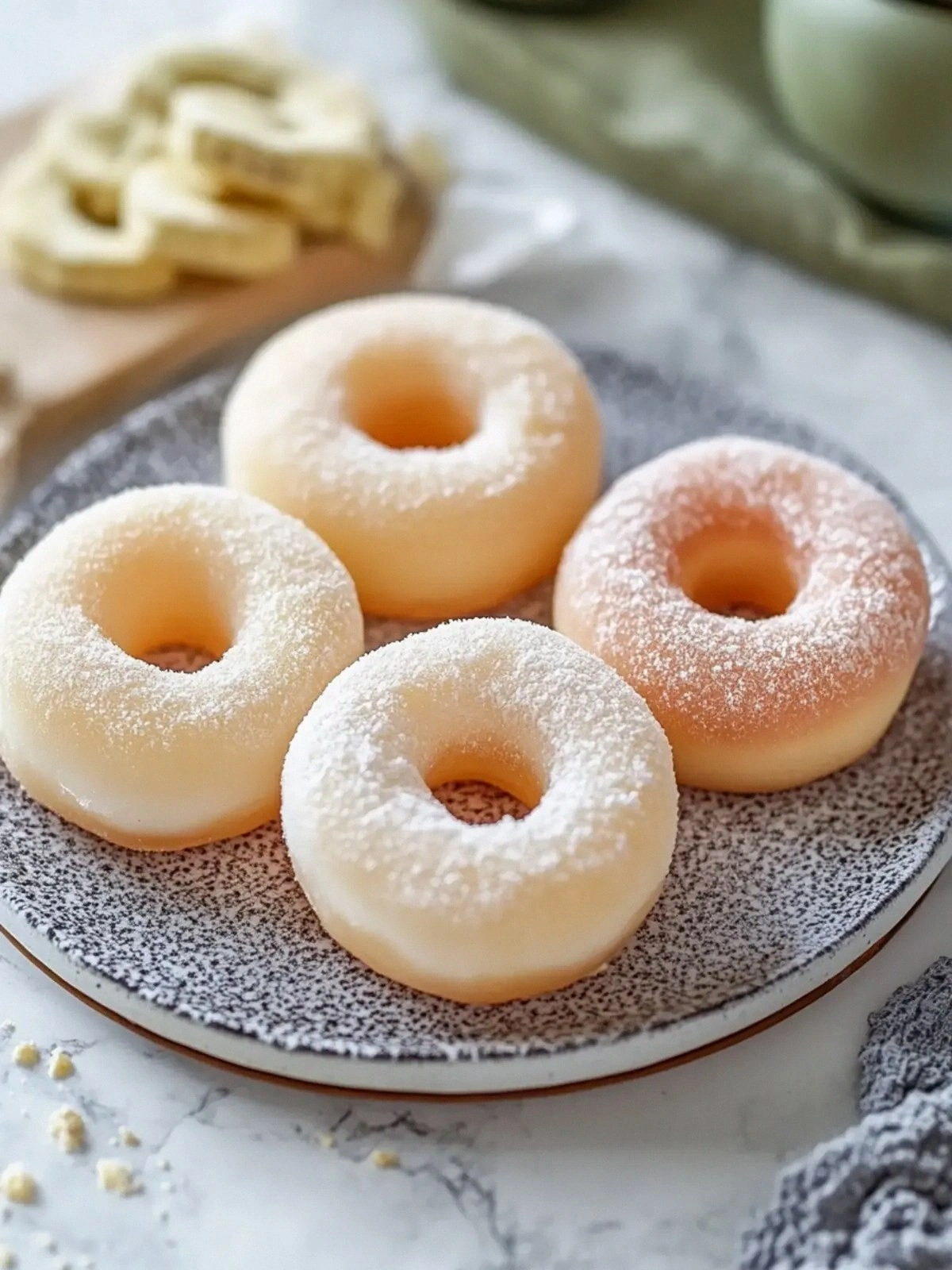
The Method — Step by Step
- Step 1: Whisk the dry ingredients. In a large bowl, combine 1 cup all-purpose flour, 1 cup glutinous rice flour, 2 teaspoons baking powder, and 1/2 cup granulated sugar. Use a whisk to ensure even distribution; this will prevent clumps that can ruin the texture. I dare you to taste this dry mix and think it’s finished—there’s more to come.
- Step 2: Blend the wet components. In a separate bowl, mash 1/2 cup silken tofu until smooth, then add 1 large egg, 2 tablespoons matcha powder, and 2 tablespoons yuzu juice. Whisk until the mixture is silky and the matcha is fully incorporated. The green hue should be vibrant; if it’s pale, you might need a little more matcha.
- Step 3: Combine wet and dry. Pour the wet mixture into the dry batter and stir gently with a wooden spoon. Avoid overmixing; a few lumps are fine. The batter should be thick but still pourable. If it’s too thick, add a splash of milk or water until the right consistency is achieved.
- Step 4: Chill the batter. Cover the bowl with plastic wrap and refrigerate for 20 minutes. This step allows the glutinous rice flour to absorb moisture, making the dough easier to shape and ensuring a softer interior.
- Step 5: Prepare the oil. In a deep saucepan or a deep fryer, heat 2 cups of frying oil to 350°F (175°C). Use a thermometer to check the temperature; if you don’t have one, drop a small amount of batter into the oil—if it sizzles immediately and rises to the surface in about 20 seconds, you’re good.
- Step 6: Shape the donuts. Using a small cookie scoop or two spoonfuls of batter, form each ball and press it into a donut shape. The dough is sticky, so wet your hands or use a silicone mat to prevent sticking. Don’t overcrowd the pan; fry in batches of 3-4 donuts.
- Step 7: Fry to perfection. Carefully drop the donuts into the hot oil. Fry for 2-3 minutes on each side until golden brown. The donuts should puff slightly and the edges will start pulling away from the pan. Keep an eye on the temperature—if it drops below 340°F, the donuts will absorb too much oil.
- Step 8: Drain and glaze. Remove the donuts with a slotted spoon and let them drain on paper towels. While still warm, dip each donut in a glaze made from 1/4 cup cocoa powder, 2 tablespoons powdered sugar, and a splash of milk to achieve a smooth consistency. Let the glaze set for a minute before dusting with cinnamon sugar.
- Step 9: Serve and enjoy. Arrange the glazed donuts on a platter and serve immediately. The best experience is when they’re warm, the glaze is slightly melted, and the donuts are still slightly chewy. If you’re not serving right away, cover them loosely with foil to keep them from drying out.
That's it — you did it. But hold on, I've got a few more tricks that'll take this to another level…
Insider Tricks for Flawless Results
The Temperature Rule Nobody Follows
Many people fry donuts at a flat temperature, but the key to a crisp exterior and chewy interior is a stable 350°F. If the oil is too hot, the donuts will brown too quickly on the outside and remain raw inside. If it’s too cool, they’ll absorb oil and become greasy. Keep a thermometer handy and adjust the heat as needed. I once fried a batch at 300°F, and the donuts turned out soggy. Lesson learned: never compromise on temperature.
Why Your Nose Knows Best
Your sense of smell is a reliable indicator of doneness. When the donuts are ready, you’ll smell a toasty, slightly nutty aroma. If the scent is too sweet or raw, it’s a sign that they need more time. Trust your nose; it’s your best ally in the kitchen.
The 5‑Minute Rest That Changes Everything
After draining, let the donuts rest on a wire rack for 5 minutes before glazing. This step allows excess oil to drain off and the donuts to firm up slightly, making them easier to handle and preventing the glaze from sliding off. I used to glaze immediately, and the glaze would drip off like a waterfall. The rest period solved that problem.
The Secret to a Smooth Glaze
The glaze needs to be thick enough to coat the donuts but thin enough to set quickly. Add powdered sugar gradually, stirring until you reach a silky consistency. If the glaze is too thick, it won’t coat properly; if too thin, it will run off. I recommend using a small whisk to avoid lumps.
The Quick Chill Trick
If you’re making donuts in advance, cool them completely on a wire rack, then wrap them in parchment paper and place them in the refrigerator for up to 24 hours. When you’re ready to serve, reheat them in a preheated 350°F oven for 5 minutes. The donuts will regain their chewiness without becoming greasy.
The Final Touch
Before serving, dust the donuts with a light sprinkle of cinnamon sugar. The cinnamon adds a warm spice that balances the matcha's earthiness, while the sugar gives a subtle crunch. I like to use a fine sieve to ensure an even coating. The final result looks like a miniature, edible work of art.
Creative Twists and Variations
This recipe is a playground. Here are some of my favorite ways to switch things up:
Cocoa Swirl Delight
Swirl a tablespoon of melted dark chocolate into the batter before frying. The chocolate will melt into pockets of richness that contrast with the matcha flavor. Serve with a drizzle of chocolate glaze for a decadent treat.
Tropical Yuzu Coconut
Replace the matcha powder with shredded coconut and add a splash of coconut milk to the wet mix. The result is a tropical donut that’s light, airy, and bursting with coconut flavor. Dust with toasted coconut flakes for extra texture.
Spiced Cinnamon Explosion
Add 1 teaspoon of ground cinnamon and 1/4 teaspoon of nutmeg to the dry mix. The spices will give the donuts a warm, comforting flavor that’s perfect for fall or winter. Finish with a dusting of cinnamon sugar for a classic look.
Red Bean Surprise
Fold in 1/4 cup of sweet red bean paste into the batter before frying. The paste will create pockets of sweet, creamy texture inside the donuts. This variation is a nod to traditional Japanese sweets and pairs wonderfully with matcha.
Lemon Zest Twist
Add 1 tablespoon of lemon zest to the wet mix, replacing the yuzu juice. The bright citrus flavor will give the donuts a fresh, zesty kick. Pair with a lemon glaze for a vibrant, summery dessert.
Salted Caramel Crunch
Swap the cinnamon sugar for a drizzle of salted caramel sauce. The salty-sweet combination will elevate the donuts to a gourmet level. Sprinkle sea salt on top for an extra burst of flavor.
Storing and Bringing It Back to Life
Fridge Storage
Store the donuts in an airtight container at room temperature for up to 2 days. If you’re making a large batch, keep them on a wire rack to prevent moisture buildup. For extra freshness, add a slice of bread in the container; it will absorb any excess dampness.
Freezer Friendly
Place donuts on a parchment-lined tray and freeze until solid. Then transfer to a freezer bag, removing as much air as possible. They can be stored for up to 3 months. When ready to eat, thaw at room temperature for 15 minutes before reheating.
Best Reheating Method
Reheat frozen donuts in a preheated 350°F oven for 10 minutes, or until the glaze is slightly melted. Alternatively, microwave for 30 seconds, then finish in the oven for 2 minutes to restore crispness. Add a tiny splash of water before reheating to create steam, which helps the donuts regain their soft interior.